
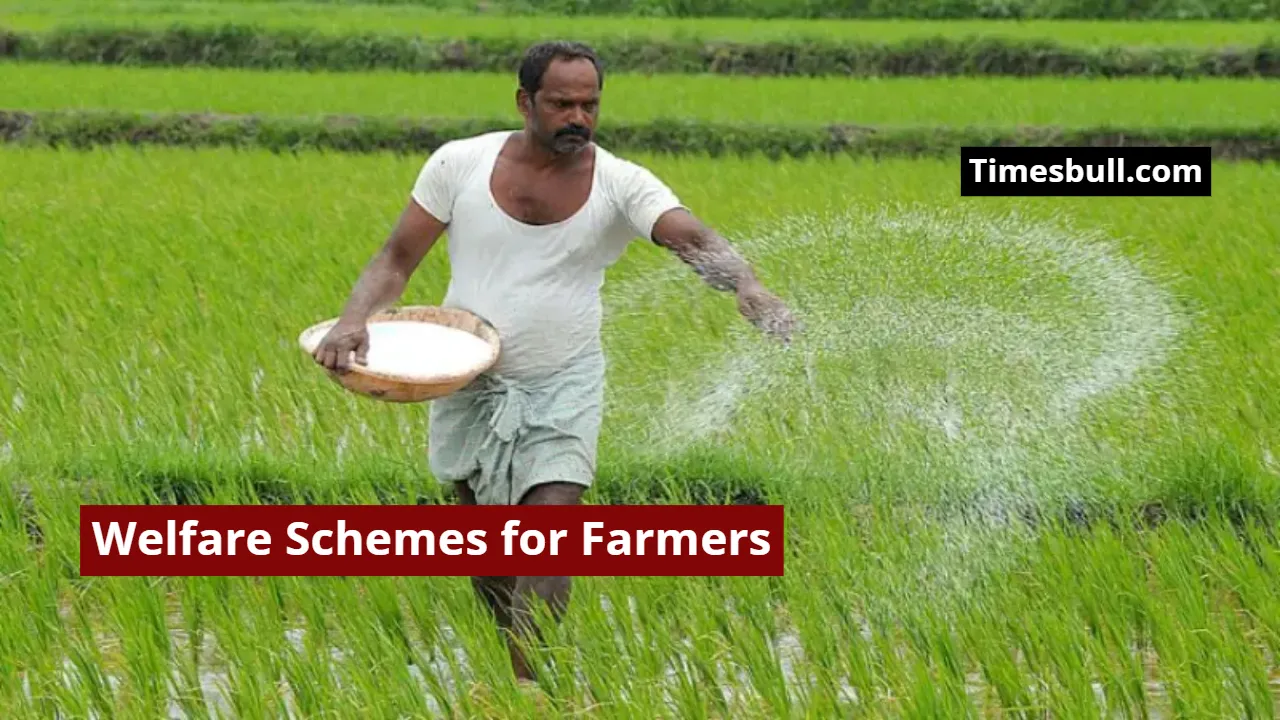
The Indian government is continuously implementing new schemes and programs to strengthen the economic condition of farmers and make agriculture profitable. The central government’s focus is not limited to crop production alone, but also on empowering farmers’ income, social security, risk management, irrigation, marketing, and agricultural infrastructure. In a recent written reply in the Lok Sabha, Union Minister of State for Agriculture and Farmers Welfare, Ramnath Thakur, shared information about these schemes.
Read More- Top 4 Comfortable Highway Cruisers in India 2025 – Stability, Seating & Engine Performance
Although a large number of farmers in the country are benefiting from these schemes, many are still unable to take full advantage of them due to a lack of information. Keeping this in mind, the Ministry of Agriculture and Farmers Welfare has made details of the major beneficiary-based schemes public so that more and more farmers can connect with them.
Pradhan Mantri Kisan Samman Nidhi Yojana
The Pradhan Mantri Kisan Samman Nidhi Yojana was launched in 2019. The objective of this scheme is to meet the basic economic needs of small and marginal farmers. Under this scheme, eligible farmer families receive an assistance of Rs. 6,000 per year directly into their bank accounts. This amount is transferred in three instalments at four-month intervals, providing farmers with regular cash support.
Pradhan Mantri Kisan Maandhan Yojana
The Pradhan Mantri Kisan Maandhan Yojana was launched with the aim of providing financial security to small and marginal farmers in their old age. This scheme is for farmers in the age group of 18 to 40 years who own up to two hectares of land. The farmer’s contribution and the government’s contribution together ensure a monthly pension of Rs. 3,000 after the age of 60.
Pradhan Mantri Fasal Bima Yojana
The Pradhan Mantri Fasal Bima Yojana was implemented to mitigate losses caused by natural calamities in agriculture. This scheme protects against natural risks to crops from sowing to post-harvest. Farmers can get insurance at a low premium and receive compensation in case of loss. This scheme is voluntary and available to all farmers.
Interest Subvention Scheme
The Interest Subvention Scheme is being run to provide affordable agricultural loans to farmers. Under this scheme, farmers engaged in agriculture, animal husbandry, dairy farming, and fisheries receive short-term loans of up to Rs. 3 lakh at a concessional interest rate. Farmers who repay their loans on time also receive the benefit of an additional interest subsidy.
Agriculture Infrastructure Fund
The Agriculture Infrastructure Fund was launched to improve facilities such as storage, processing, and logistics in the agricultural sector. Under this scheme, long-term, low-interest loans and interest subsidies are provided for agricultural infrastructure projects, enabling the development of modern facilities at the village level.
Formation of 10,000 Farmer-Producer Organisations
A scheme has been launched to form 10,000 new Farmer-Producer Organisations (FPOs) to organise farmers and connect them to the market. Under this scheme, FPOs receive financial assistance, equity grants, and credit guarantees. This allows farmers to collectively sell their produce at better prices.
Per Drop More Crop Scheme
The Per Drop More Crop scheme has been implemented to promote water conservation and micro-irrigation. Its objective is to ensure higher yields with less water. By adopting modern techniques such as drip and sprinkler irrigation, farmers can save both water and costs.
Read More- Heaters for Large Room Under Rs 10000 on Amazon: Experience Warmth This Winter
Other Major Schemes
In addition, several schemes are being implemented to promote agricultural mechanisation, horticulture development, soil health cards, digital marketing through e-NAM, organic farming, and beekeeping. The National Edible Oil Mission – Oil Palm is also considered a significant step towards achieving self-reliance in edible oils.
Latest News
- Weather warning – Heavy Rain, thunderstorms, lightning Alerts for 13 States Over Next 3 Days

- UP TGT Exam City Slip 2026 Released – Download at upessc.up.gov.in, Exam June 3-4

- ATM Alert: एटीएम में फंस जाए डेबिट कार्ड तो घबराएं नहीं, फटाफट यह काम करने से होगा समाधान

- Post Office Scheme – 7.5% Interest Rate, ₹5 Lakh Becomes ₹7,24,974 in 5 Years, Start with Just ₹1,000

- Best AI Video Editing Laptops Under 60,000 INR: Top Picks Her

- Best CNG Cars: पेट्रोल के बढ़ते दाम के बीच ये सीएनजी गाड़ी खरीदकर खर्च करें कम, माइलेज भी जबरदस्त

- Samsung Stable One UI 8.5 Update to Galaxy Tab S10 FE and Tab S10 FE+

- बुढ़ापे की लाठी बनेंगी ये तीन स्कीम्स, निवेश से पहले जानिए कितना मिल रहा ब्याज

- OnePlus Nord CE 6 vs Samsung Galaxy A57: Which Mid-Range 5G Phone Wins?

- Lenovo LOQ 15 Gen 11 Review: Best Budget Gaming Laptop?