
VB-G RAM G Yojana to Launch in 25 States from July 1, Know the Details
VB-G RAM G Yojana: On Wednesday, the central government informed a parliamentary standing committee that the 'Development India-Ji Ram Ji Act', which is set to replace MNREGA, will commence on July 1. Additionally, 25 states have already set aside their portion of funds for this

 Join Us
 Add as a preferred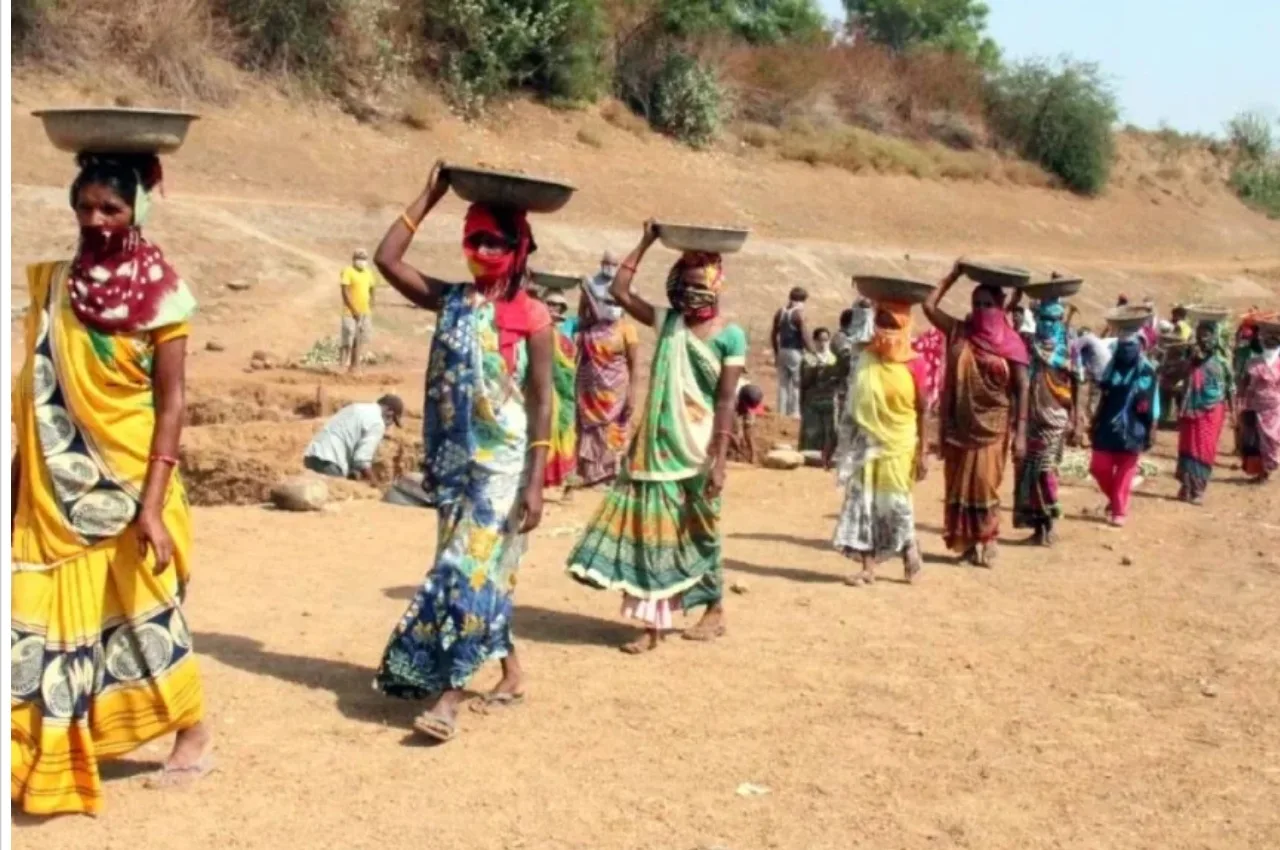
Labours
VB-G RAM G Yojana: On Wednesday, the central government informed a parliamentary standing committee that the ‘Development India-Ji Ram Ji Act’, which is set to replace MNREGA, will commence on July 1. Additionally, 25 states have already set aside their portion of funds for this initiative. The Standing Committee on Rural Development and Panchayati Raj convened to discuss the measures taken for the nationwide rollout of the Ji Ram Ji Act.
25 states have already allocated funds for this program
According to sources, Rohit Kansal, the Secretary of the Ministry of Rural Development, shared with committee members that 25 states have already earmarked funds for the program, and all necessary administrative and policy measures are being put into action. Sources indicate that all major states have allocated the required funds to launch the scheme starting July 1. Beneficiary workers will receive new ‘Smart Job Cards’ to replace the ‘Job Cards’ that were issued under the Mahatma Gandhi National Rural Employment Guarantee Act (MNREGA) 2005.
Sources have mentioned that the new job cards will feature a special face recognition capability to promote transparency and accountability. Under the guidelines of the Ramji Act, every rural household with adult members willing to engage in unskilled manual labor will be entitled to 125 days of guaranteed wages within a financial year, surpassing the 100 days guaranteed under MNREGA. Employment must be provided within the designated time frame; otherwise, workers will still qualify for unemployment benefits as outlined in the Act.
The central government announced that the Rs 95,692.31 crore allocated for 2026-27 represents the largest budget estimate ever for the rural employment program. When factoring in potential contributions from states, the total program expenditure is anticipated to exceed Rs 1.51 lakh crore.
How will the workers benefit?
The Act emphasizes the importance of timely and transparent wage payments. Wages will continue to be deposited directly into workers’ bank or post office accounts through Direct Benefit Transfer (DBT). Wages will be paid on a weekly basis or within fifteen days of the closing of the muster roll.

Sweta Mitra
Next Article
PM Kisan Yojana: किसानों के लिए अगली किस्त की तारीख कंफर्म! जल्द कराएं यह काम
केंद्र सरकार जल्द ही 2,000 रुपये की 23वीं किस्त ट्रांसफर की जा सकती है. चर्चा है कि सरकार जून के आखिरी सप्ताह तक 2,000 रुपये की अगली किस्त ट्रांसफर करेगी. अगर आप भी अगली किस्त का फायदा लेना चाहते हैं तो पहले कुछ जरूरी काम कराने होंगे.

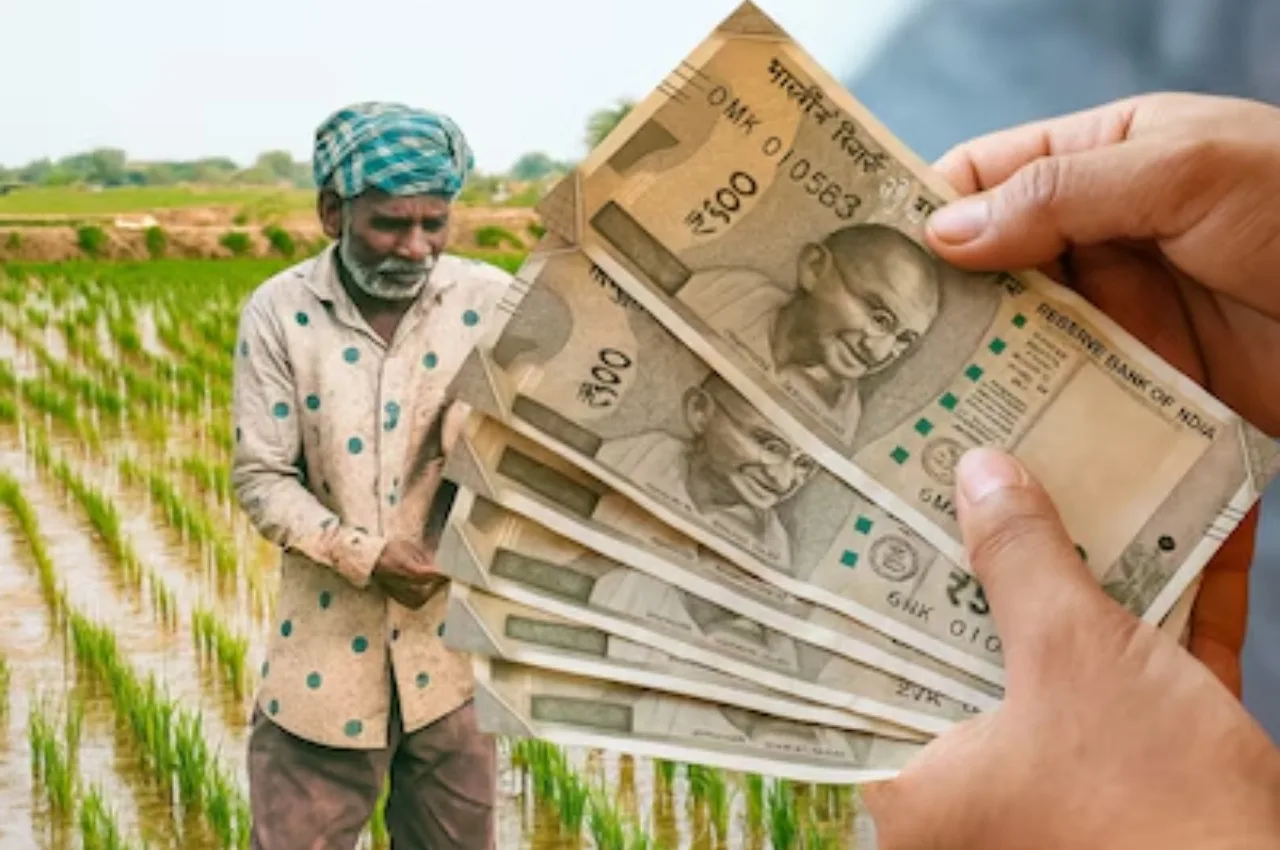
PM Kisan Samman Nidhi Yojana 23rd Installment: पीएम किसान सम्मान निधि योजना बहुत ही खास है, जिसके तहत सरकार सालाना 2,000 रुपये की तीन किस्तों में 6,000 रुपये तक ट्रांसफर करती है. अगर आपका नाम पीएम किसान सम्मान निधि योजना से लिंक है तो फिर आगामी किस्त का भी इंतजार खत्म होने जा रहा है.
केंद्र सरकार जल्द ही 2,000 रुपये की 23वीं किस्त ट्रांसफर की जा सकती है. चर्चा है कि सरकार जून के आखिरी सप्ताह तक 2,000 रुपये की अगली किस्त ट्रांसफर करेगी. अगर आप भी अगली किस्त का फायदा लेना चाहते हैं तो पहले कुछ जरूरी काम कराने होंगे. जरूर काम नहीं कराने पर किस्त का पैसा लटक जाएगा, जिससे दिक्कतों का सामना करना पड़ेगा. हालांकि, अभी किस्त की तारीख को लेकर आधिकारिक रूप से किसी ने कुछ नहीं कहा है.
Write a Comment