
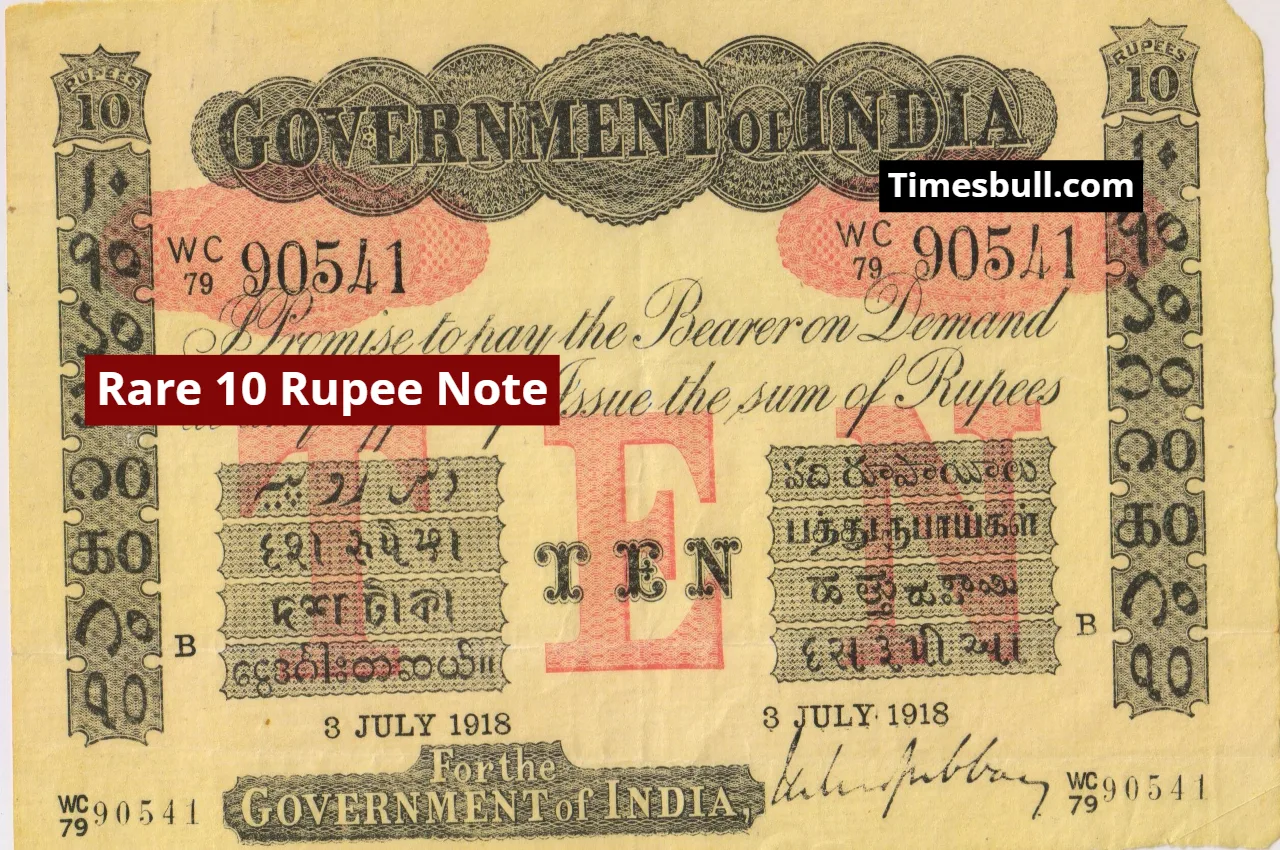
In the early 20th century, the world was grappling with the horrors of World War I. During this time, on July 2, 1918, a British merchant ship named SS Shirala was attacked by a German U-boat. The ship was en route from London to Bombay and was carrying a large quantity of cargo along with passengers. Historical records indicate that the ship contained food supplies, essential household goods, war-related materials, and a large quantity of Indian currency notes. The ship sank in the attack, and many valuable items were lost forever.
Read More- JEE Main 2026 Admit Card Released for 28 and 29 January Exam – jeemain.nta.nic.in
The Submerged Notes and Their Miraculous Survival
When the ship sank, several bundles of the notes on board were carried by the currents to the shore. These included some unsigned 5 and 10 rupee notes, and some signed 1 rupee notes. Most of the notes were recovered and destroyed by government officials, and new notes were printed to replace them. However, a very small number of notes reached private collectors, making them rare. It is believed that the notes that survived were protected from direct contact with seawater because they were in the middle of the bundles.
Notes Issued on May 25, 1918, Become Historical Artifacts
These rare notes bore the date May 25, 1918. They were government notes from the British Raj era. Their most remarkable feature was that both notes had consecutive serial numbers, and the paper quality was exceptionally good. Even after such a long time, their print and condition remained excellent, further increasing their appeal to collectors.
Sold for Many Times the Expected Price at the 2024 Auction
Noonans Mayfair Auction House in London put these notes up for sale in their World Banknotes Sale on May 29, 2024. It was estimated that each note would fetch between 2000 and 2600 pounds (approximately ₹2.10-2.70 lakh). However, when the auction took place, these two 10-rupee notes fetched a price of over 12 lakh rupees. The first note sold for 6,500 pounds (approximately 6.90 lakh rupees) and the second for 5,500 pounds (approximately 5.80 lakh rupees).
Why do such notes become so valuable?
Notes or coins associated with historical events cease to be mere currency; they become historical documents. The notes linked to the SS Shirala disaster are considered evidence of World War I, maritime history, and the economic system of colonial India. This is why collectors are willing to pay a high price for such notes.
A confluence of history, tragedy, and collectible heritage
These notes not only represent monetary value but also reflect the tragedy of that time, the trade system, and the lives of ordinary people. Their preservation almost a century later is considered a unique historical coincidence. This is why the value of such notes increases many times over their face value, and they become treasures for collectors.
Latest News
- ITR Filing Before May 31? You May Get Notice

- Women Free Bus Travel Scheme – How to Get Free Bus Travel From June 1, 2026? How to Apply

- LSG Vs PBKS Video: ऋषभ पंत पर भड़के अर्जुन तेंदुलकर! वीडियो देखकर आप भी रह जाएंगे हैरान

- Apple MacBook Neo Deal Alert: Get It For Under ₹58,000 on Amazon Right Now

- Pakistan Attack: आत्मघाती हमले से दहला पाकिस्तान, 23 लोगों की मौत, 50 से ज्यादा घायल, जानें

- Honor Magic 9 Series Leaks: Flagship Upgrades with Massive 8,000mAh Battery and 200MP Cameras

- Motorola Edge 60 Fusion Review: Mid-Range King or Outdated?

- FD Update– Breaking Your FD Early? Know the consequences

- Bank Holiday–RBI Announces Closure of SBI, HDFC and All Banks Next Week, Save the Dates

- Samsung Galaxy S26 Ultra Amazon Deal – Get ₹23,509+ Discount with Bank Offers and Exchange Benefits