
This much money is charged for making jewellery! know how the making charge is calculated
Indians do not hide their love for Gold. They are kind of obsessed with this matter. Gold holds a significant place in Indian culture and economy. It's not just a valuable asset; gold jewelry is also seen as a smart investment. It represents wealth, status,

 Join Us
 Add as a preferred
Gold Making
Indians do not hide their love for Gold. They are kind of obsessed with this matter. Gold holds a significant place in Indian culture and economy. It’s not just a valuable asset; gold jewelry is also seen as a smart investment. It represents wealth, status, and prosperity, making it a top choice for many. During traditional events like weddings and festivals, including Diwali and Akshaya Tritiya, a lot of Indians turn to gold as part of their celebrations. However, many buyers don’t really understand how the making charges for gold jewelry are determined.
Abhishek Kumar Soni from Ramji Prasad Jewelers in Bihar points out that a lot of customers are in the dark about how the final price of gold jewelry is figured out. He has shared insights on making charges and other elements that influence the pricing.
Azmat from Tanishq Jewelers in Prayagraj explains that making charges depend on the design, type, size, and craftsmanship of the piece. At Tanishq, these charges can range from 8% to 25% of the total gold value.
Here’s how to calculate the price of gold jewelry:
Final Price = (Price of Gold x Weight) + Making Charges + GST + Hallmarking Charges
It’s important to note that the price of gold varies based on its purity (like 24KT, 22KT, 18KT, 14KT, etc.), with higher purity leading to a higher price. The hallmarking fee is a must for ensuring authenticity, and GST is applied to the overall cost, which includes making charges.
Factors that influence making charges include:
Quality and purity of gold:
The price difference between 22KT and 18KT jewelry comes from the varying gold content.
Higher carat gold often requires more skilled craftsmanship, which raises the cost.
Workmanship and design:
Handcrafted jewelry tends to have higher manufacturing costs due to detailed work.
Machine-made pieces are generally cheaper, with making charges ranging from 3% to 25% of the total price.
Jewelry adorned with diamonds or gemstones incurs additional costs because of the delicate work involved.
Transportation and handling costs also play a role.
Imported gold and designer jewelry come with extra supply costs. Custom-made pieces need special care, which bumps up the total price. So, how do they figure out the making charge?
There are a couple of ways to calculate it:
1. Flat Rate Method – A set fee per gram (like Rs 500 for each gram, so for 10 grams, it would be Rs 5000).
2. Percentage Method – A percentage of the total gold value (for instance, 10% of Rs 7,00,000 equals Rs 70,000).
According to Abhishek Kumar Soni from Ramji Prasad Jewellers Pvt Ltd, when using the percentage method, jewelers typically charge between 8% and 35% of the gold’s value.

Sweta Mitra
Next Article
Samsung Galaxy S26 Ultra vs iPhone 17 Air – Which Upcoming Flagship Looks Better?
Samsung Galaxy S26 Ultra and iPhone 17 Air are among the most talked about upcoming 2026 flagships. Samsung is expected to emphasize gaming power, AI features, and advanced cameras, while Apple may lean toward a slim premium look, plus an easy, smooth everyday experience.

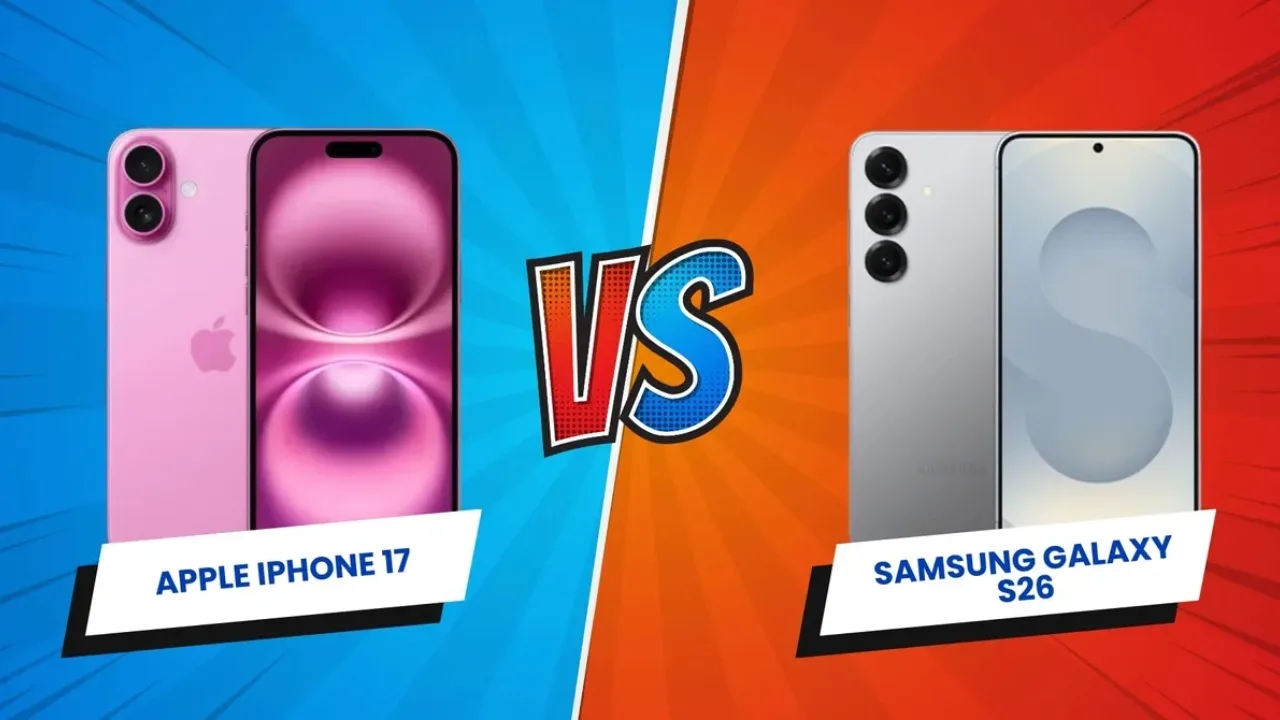
Samsung Galaxy S26 Ultra vs iPhone 17 Air : In 2026 the premium phone scene is getting kinda wild, like everyone is flexing AI tricks, camera muscle, better gaming performance, and a slimmer vibe… and yes, larger batteries too, because of course. And lately, two names keep showing up again and again, the Samsung Galaxy S26 Ultra, and the rumored iPhone 17 Air.
Both are definitely aimed at premium buyers, but their “feel” is kinda different. Samsung looks like it wants raw flagship power plus extra extras that make day to day stuff move faster. Apple on the other hand is probably chasing a thinner design, and a smoother everyday routine that feels almost too… managed.
Write a Comment