
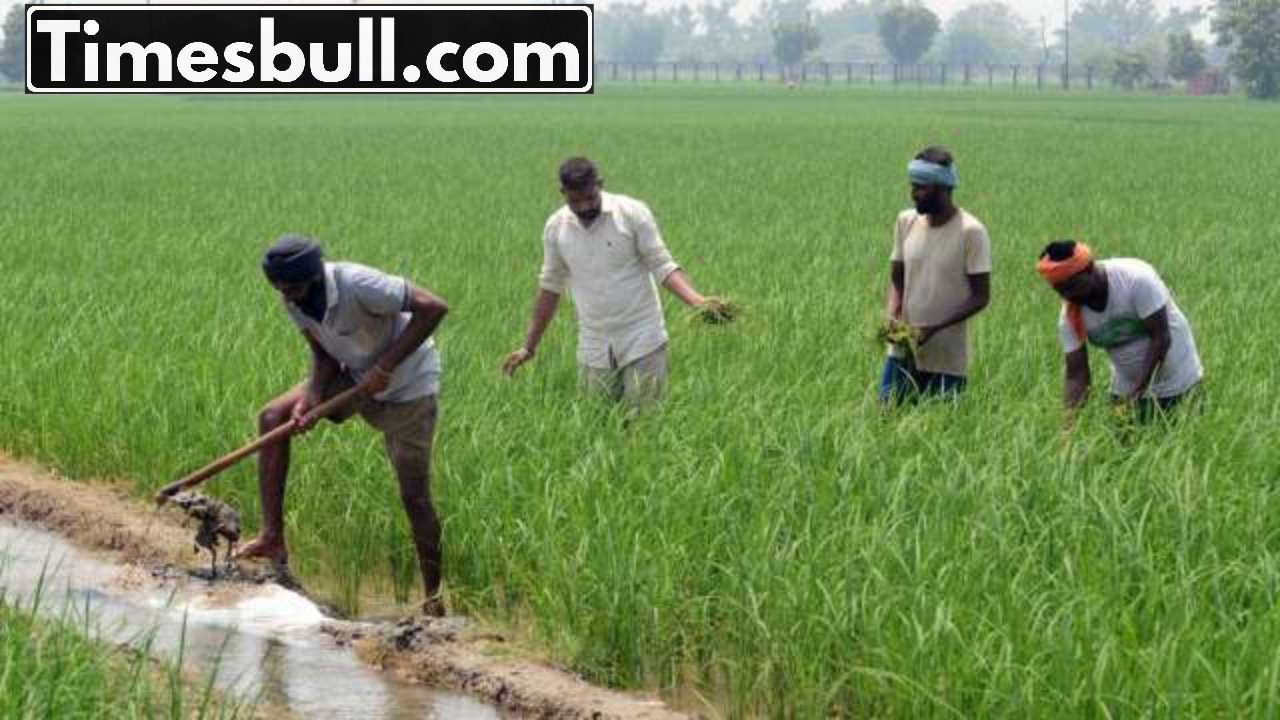
Government Subsidy: The prices of crops such as yam, chili, and tobacco have experienced a significant decline. As a result, farmers are encountering considerable challenges in managing their expenses, leading to a precarious situation. However, this scenario presents an opportunity for farmers, as the government is actively promoting the adoption of alternative crops.
Government is offering subsidies to farmers
Specifically, it is encouraging the cultivation of more horticultural varieties. To facilitate this transition, the government is offering subsidies to farmers. In this context, efforts are being made to enhance the cultivation of koranda plants. Financial assistance in the form of subsidies is also being allocated to farmers for this purpose. There is a market demand for this crop, which commands a favorable price.
Approximately 250 plants recommended per acre
Additionally, the cultivation costs for koranda are relatively low, with approximately 250 plants recommended per acre. Chittoor district is particularly well-suited for this crop, making it an attractive option for interested farmers. Should they choose to cultivate koranda, the government will provide a subsidy of Rs. 30,000 per hectare, disbursed in installments over three years into the farmers’ bank accounts. It is important to note that there will be initial investment costs, as the trees will begin to bear fruit three years after planting.
Prices ranging from Rs. 100 to Rs. 250 per kg
Koranda nuts are sold in the market for prices ranging from Rs. 100 to Rs. 250 per kg, and they can be used to make chutneys and pickles. Each tree typically yields between 3 kg and 10 kg of fruit. Therefore, farmers seeking to cultivate this crop at a lower cost are encouraged to consider it, as advised by officials from the Horticulture Department. For further information, please reach out to the Horticulture Department.
Latest News
- Train Ticket: How to book a confirmed train ticket without an agent? Learn the Easy Steps

- Indian Railways– 155 Trains Express Declared High-Speed, Thousands of Railway Staff to Benefit

- Monsoon Alert – Warning Heavy to Very Heavy Rain alert & thunderstorms in 22 States Over Next 4 Days

- America-Iran War: मिडिल ईस्ट में तनाव होगा खत्म! ईरान ने होर्मुज रास्ते पर कही बड़ी बात

- PM Surya Ghar Yojana 2026: Get Up to Rs 78,000 Subsidy within 6 Easy Steps, Know Here

- Cheapest Available 5G Smartphones in India Under 10000

- UPSC Prelims Answer Key 2026 – How to Download UPSC Prelims Answer Key at upsc.gov.in

- 8th Pay Commission: एनपीएस और पुरानी पेंशन में कौन सी बेहतर, जानिए बड़ा अपडेट

- Xiaomi 17T Launching With Leica 5x Zoom and Huge 6,500mAh Battery Under ₹60,000

- NEET UG 2026 – Haryana & Bihar Announce Free Bus Service for Candidates on June 20-21