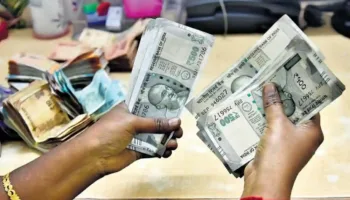
It is easy to promise yourself you’ll control your spending every month, but as soon as your salary hits your account, expenses suddenly increase, and your budget is blown within days. We often think it’s just a matter of habit or lack of discipline, but the reality is far more complex. Our mood, shopping patterns, small, overlooked purchases, and daily routines all play a significant role in increasing our expenses. When we understand the real reasons behind our spending, saving becomes not a burden, but a simple habit.
Read More- Best Upcoming Superbikes in India – Power, Features & Premium Technology
Why tracking expenses becomes essential
Many people consider noting down expenses a hassle, but this habit reveals the true flow of our money. When we see our small daily expenses laid out, we realize that overlooked expenses like snacks, online purchases at a discount, and digital subscriptions are the biggest culprits draining our wallets. Tracking expenses isn’t about restricting yourself, but about understanding where your money is actually going. When this picture becomes clear, unnecessary spending automatically decreases.
How emotional spending hinders your savings
Sometimes we shop impulsively due to stress, sadness, loneliness, or boredom. The real problem isn’t the shopping itself, but spending without reason and under the influence of our mood. When we recognize our emotional triggers, control over spending automatically returns. To avoid this, keeping yourself busy, engaging in creative activities, or connecting with new people are highly effective methods. This improves your mood and reduces unwanted emotional spending.
Save first, then spend
Most people save only if there’s money left at the end of the month, but this is the biggest mistake. If a fixed amount is transferred directly to a savings account as soon as the salary arrives, it becomes a strong habit. Necessary expenses automatically adjust, and gradually, consistency in saving develops. How to prevent spending from increasing even when income rises
When our income increases, we unconsciously upgrade our lifestyle as well. This is why savings don’t increase even when income does. If you maintain your lifestyle at the same level for a few months after an increase in income, the entire extra income goes directly into savings. This method proves extremely useful in building financial stability in the long run.
Read More- Money Worries are Over, This 100-Rupee Note is Selling for Lakhs, Know the Details
Saving doesn’t mean depriving yourself, but rather spending wisely. When spending is done thoughtfully, savings increase, stress decreases, and gradually, financial independence is achieved.