

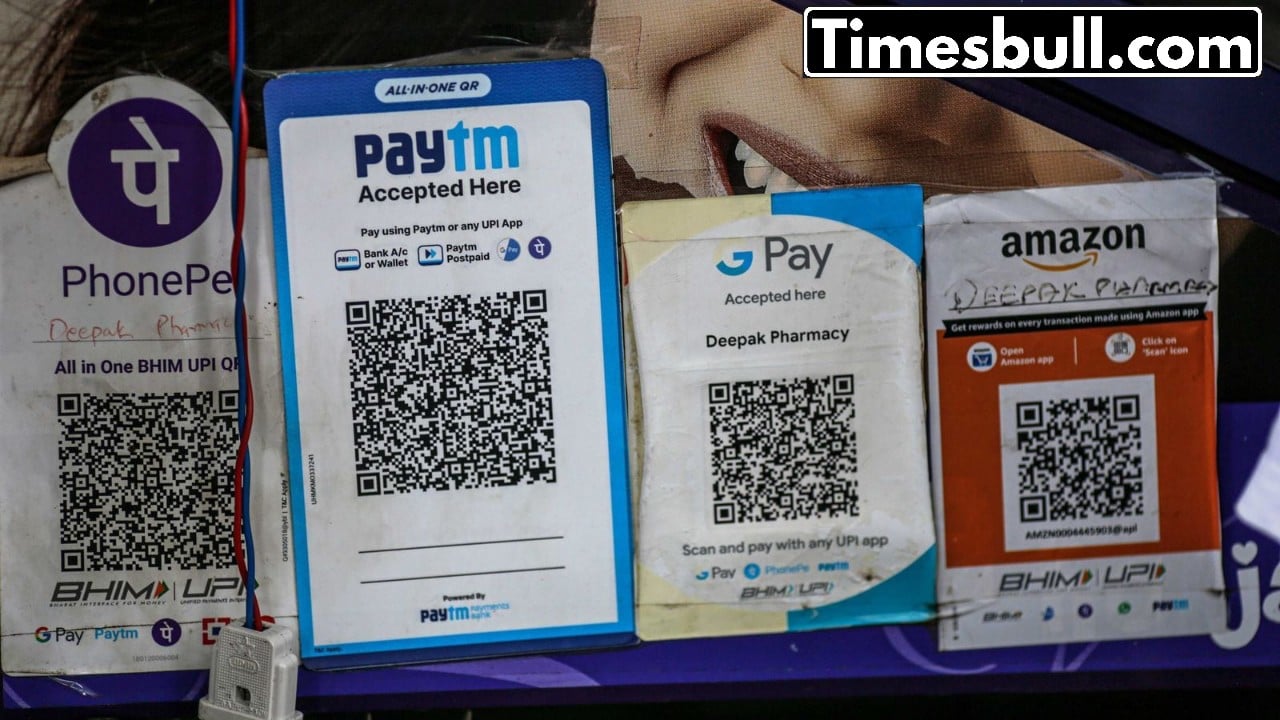
RBI Rules April: Big news for everyone. As a new month begins, significant changes in financial regulations are on the horizon. Starting from April 2026, several updates regarding online payments will come into play. The RBI has introduced stringent new guidelines aimed at enhancing the security of your funds against fraud.
From now on, two-factor authentication (2FA) will be a requirement for all online transactions. Just entering a password or the previous OTP will no longer suffice. At present, many individuals simply input the OTP when processing payments through UPI, credit/debit cards, net banking, or digital wallets, but this will change on April 1, 2026.
Under the new regulations, every transaction will necessitate at least two methods of verification. One of these must be dynamic (changing each time), which could include a mobile PIN, UPI PIN, fingerprint, Face ID (biometric), dynamic OTP, password combined with biometric verification, etc. Routine payments for smaller amounts will face minimal checks, while larger sums or transactions deemed suspicious will require further verification. This process is known as risk-based authentication.
These regulations will be applicable to all forms of digital payments
The new rules will extend to all digital payments made within the country (including UPI, cards, net banking, and prepaid payment instruments). For transactions conducted on international websites or applications, these regulations will take effect from October 1, 2026. The RBI has noted that while digital payments are increasing rapidly, so too are incidents of fraud and hacking. The traditional SMS OTP has become insecure, as it can be easily intercepted by hackers. Hence, there is a pressing need for enhanced security measures. The anticipated outcome of these new regulations is a reduction in phishing attempts, unauthorized transactions, and online fraud.
What will this mean for the average person?
If fraud occurs and the bank or payment company doesn’t follow security rules, you won’t suffer any loss. The bank will have to refund the entire amount. The responsibility now rests with the bank or company, not you. Each payment may require additional steps, such as using a PIN, fingerprint, or OTP, and biometrics when making a UPI transaction. But this is for your security. Small shopkeepers and online shoppers will also need to be vigilant. Consequently, banks, companies like Paytm, Google Pay, and PhonePe will have to update their systems, adopt new methods, and increase transaction monitoring.
By April 1, 2026, keep your bank app or UPI app updated and enable biometrics (fingerprint or face) to make payments easier. Never share your PIN, OTP, or password with anyone. Also, don’t click on suspicious messages or links. The RBI’s goal is to make digital payments both safe and easy. This will keep your money safer in the long run.