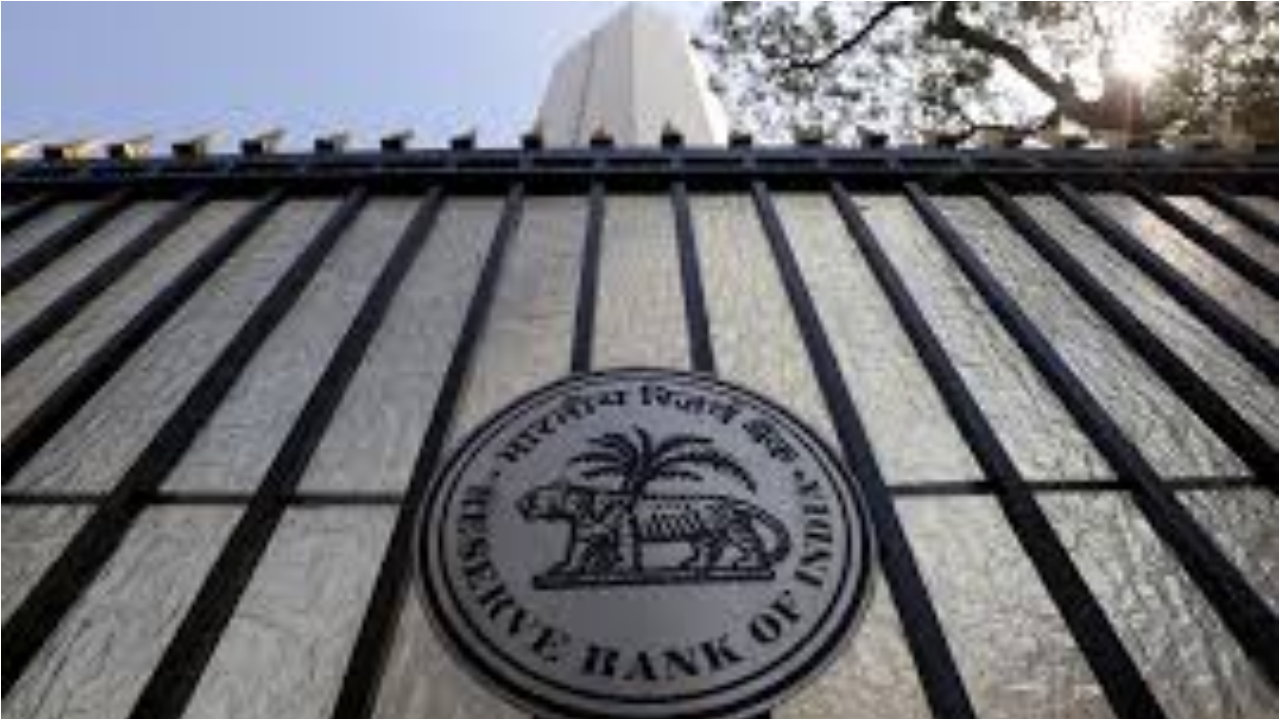
RBI E-Rupee: The Reserve Bank of India launched the offline digital rupee at the Global Finteck Fest 2025 in Mumbai . The unique feature of offline digital e₹ is that you can make digital payments without internet or mobile network access. You can spend it just like cash. The Reserve Bank of India (RBI) has launched e₹, an offline digital currency, marking a major shift in the country’s digital finance sector.
People will now be able to conduct digital transactions even in areas without internet or with weak networks. This digital rupee is a Central Bank Digital Currency (CBDC) issued by the RBI, which functions like cash and is securely stored in mobile wallets. With e₹, the Reserve Bank of India (RBI) has taken a major step forward in the country’s digital finance journey.
The Finance Minister announced
While presenting the budget on February 1, 2022, Finance Minister Nirmala Sitharaman announced the issuance of a digital currency, or Central Bank Digital Currency, by the RBI in the coming financial year. Nirmala Sitharaman stated that the decision to introduce a digital rupee was made after careful consideration and consultation with the Reserve Bank of India. The RBI’s digital currency will receive legal recognition. Four public sector banks—State Bank of India, Punjab National Bank, Union Bank of India, and Bank of Baroda—have been included in the pilot project.
What is digital rupee e₹?
The digital rupee, or e₹, is India’s Central Bank Digital Currency (CBDC) . It’s issued directly by the RBI, so it carries the same trust as cash rupees. It’s held in digital wallets available through banks. Unlike UPI, it doesn’t transfer money between bank accounts; instead, it functions like digital cash, allowing users to send, receive, or make payments instantly. Significantly, payments can also be made from the e₹ wallet by scanning a UPI QR code, making it incredibly easy to pay at stores.
How to get digital e₹?
The creation and issuance of retail e₹ is similar to the system of issuing paper currency, i.e., RBI creates e₹ and issues them electronically to banks and non-banks. Banks and non-banks are then responsible for providing their customers with the facility to open and onboard e₹ wallets on their mobile phones. The issuance, distribution, and usage of e₹ under the retail segment (for the general public) is live in pilot mode from December 1, 2022. Users and merchants of identified pilot banks and non-banks across the country can use e₹.
Which banks are offering e₹ wallet facility?
Currently, 15 banks are participating in the e₹ retail pilot and offering digital wallets to the public:
State Bank of India (SBI)
ICICI Bank ICICI Bank
HDFC Bank HDFC
IDFC First Bank IDFC First Bank
Kotak Mahindra Bank Kotak Mahindra
Union Bank Of India Union Bank Of India
Bank Of Baroda
Axis Bank
IndusInd Bank IndusInd Bank
Canara Bank
Punjab National Bank (PNB)
Indian Bank Indian Bank
Federal Bank
Karnataka Bank Karnataka Bank
Yes Bank
These banks’ e₹ apps can be downloaded from the Google Play Store or the Apple App Store. Users simply register with their mobile number and can make person-to-person (P2P) or person-to-merchant (P2M) transactions. There are no fees, minimum balance, or interest requirements, and the wallet can be recovered in case of loss.
How offline digital e₹ works?
Telecom-assisted offline payments : Where a weak network signal is sufficient.
NFC (Tap-to-Pay) payments : Works completely without internet or signal.
This allows transactions to take place anytime, anywhere, just like cash transactions. Payments are completed instantly, directly between wallets, without the need for access to a bank account.
Latest News
- PM Kisan Samman Nidhi Yojana: नहीं मिल रही 2000 रुपये की किस्त तो किसान तुरंत करवा लें यह काम

- Aadhaar Card Update Rules – How Many Times Can You Change Address, DOB & Number?

- Train Ticket: How to book a confirmed train ticket without an agent? Learn the Easy Steps

- Indian Railways– 155 Trains Express Declared High-Speed, Thousands of Railway Staff to Benefit

- Monsoon Alert – Warning Heavy to Very Heavy Rain alert & thunderstorms in 22 States Over Next 4 Days

- America-Iran War: मिडिल ईस्ट में तनाव होगा खत्म! ईरान ने होर्मुज रास्ते पर कही बड़ी बात

- PM Surya Ghar Yojana 2026: Get Up to Rs 78,000 Subsidy within 6 Easy Steps, Know Here

- Cheapest Available 5G Smartphones in India Under 10000
- UPSC Prelims Answer Key 2026 – How to Download UPSC Prelims Answer Key at upsc.gov.in

- 8th Pay Commission: एनपीएस और पुरानी पेंशन में कौन सी बेहतर, जानिए बड़ा अपडेट