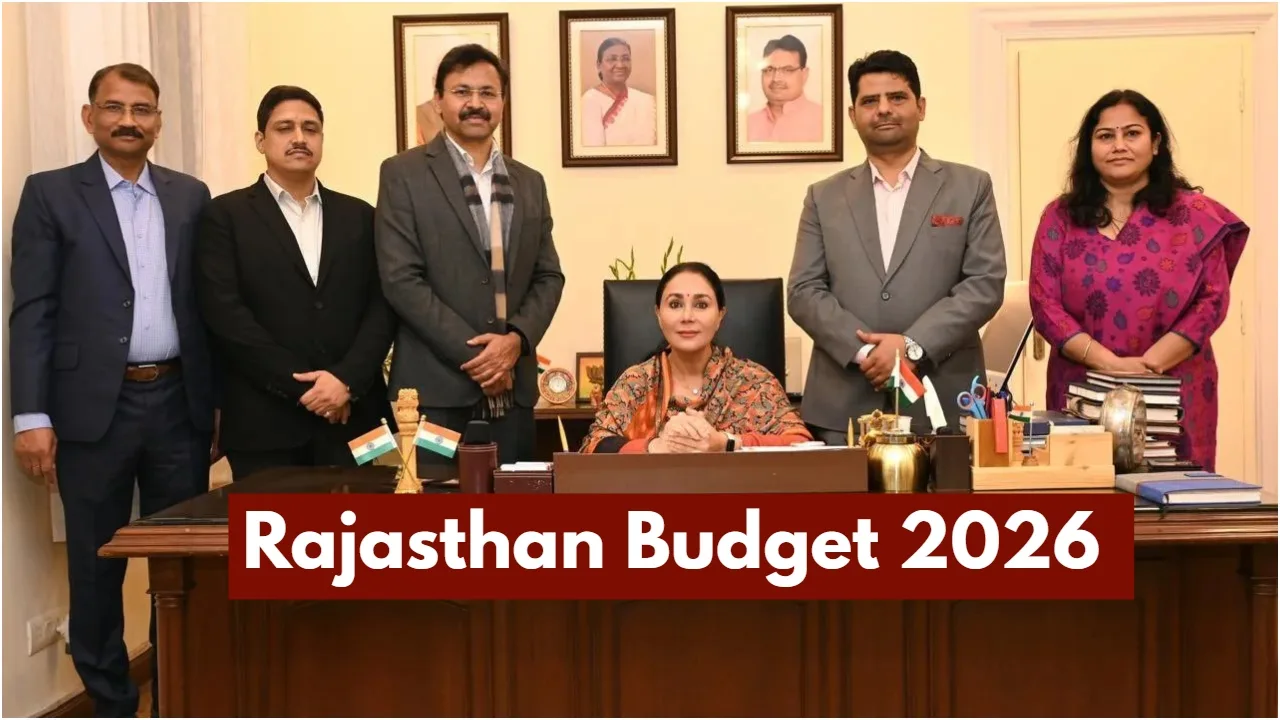
Rajasthan Budget 2026 Update: The Rajasthan government is set to present its full budget today, raising high expectations from all sections of society. State Deputy Chief Minister Diya Kumar will present her third consecutive full budget in the Assembly. Farmers, the poor, workers, educationists, and businesses are hoping the state government’s budget will open the treasury.
In such a situation, everyone is eager to gather interesting information related to the budget. Do you know when the first budget of the Jaipur State was prepared and presented? In fact, the work of preparing the annual budget was initiated in 1923 by establishing a Finance Ministry under the then Jaipur State of approximately 1500 villages and 11 Nizamats.
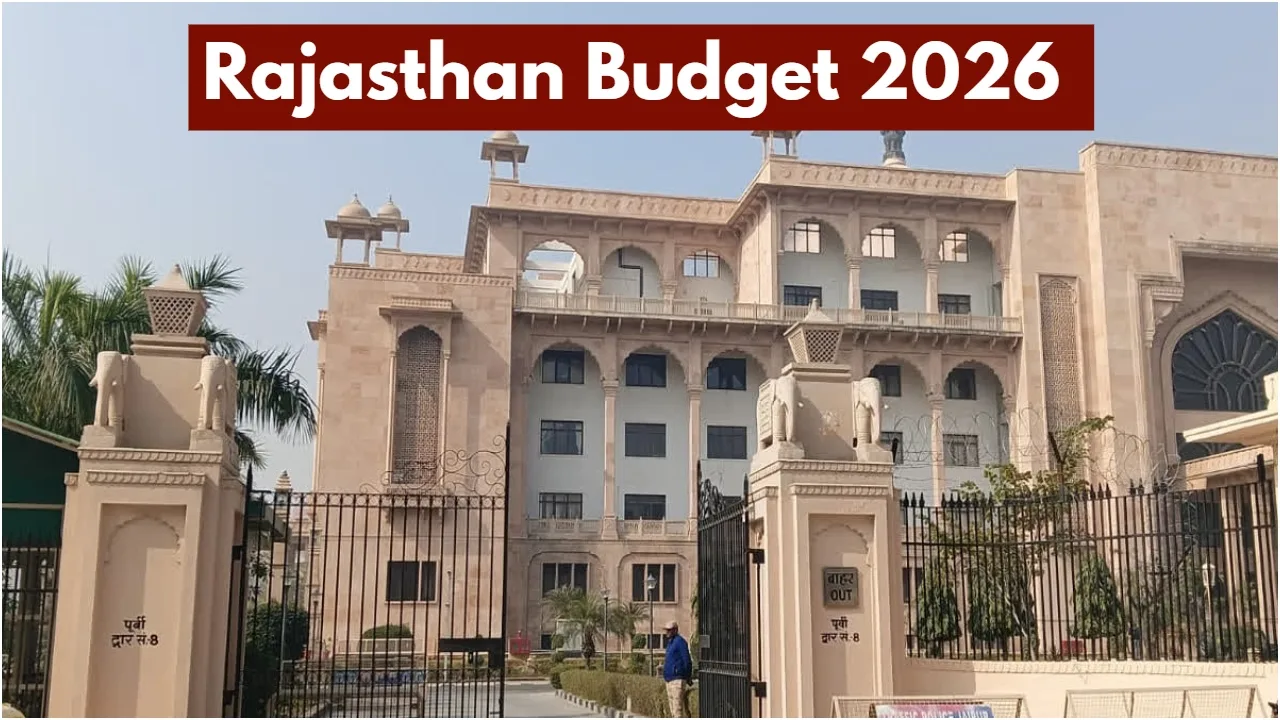
At that time, Sawai Mansingh became king at a young age, while the British held power. Consequently, the budget was prepared every year before March. The first systematic budget in Jaipur State was prepared in 1924.
When was the first budget prepared?
The state of Jaipur has been the subject of much discussion. The first budget in Jaipur State was prepared in 1924. At the time of Sawai Ram Singh’s death in 1880, the state’s annual income was ₹5 million. Administrative reports for 1907 and 1908 showed revenue of ₹6,820,773 and expenditure of ₹6,400,000.
In addition, cash began to be kept in the treasury instead of in departments. The actual income for the year 1923-24 was ₹1,362,294. Agricultural revenue was considered the primary source of Jaipur State’s income.
Jaipur State had its own mint, which minted silver coins. During the princely era, the Secretariat, the Legislative Assembly, the Mayo and Sawai Mansingh Hospitals, as well as the Women’s Hospital at Chandpole, were established. At that time, the army’s expenses were also covered.
Penalties imposed in the Animal Law
Sir Mirza Ismail encouraged the Birla Poddars and other businessmen to open numerous factories. According to a report, there were 300 factories in 1948. In 1946, the Animal Control Act was enacted, imposing fines of up to 10 rupees. Taxes were also imposed on businesses, bullock carts, and handcarts. A major public movement was launched in 1953 when house tax and customs duties were imposed.
Farmers took to the streets as soon as taxes were imposed on grains.
A shocking development occurred when a provision was made to tax grains. In 1927, when Amarnath Atal, the head of the special department, imposed taxes on grains, the public began to take to the streets. Jaipur’s estates extended to Ayodhya, Kashi, and Afghanistan. Jagmohan Nath Raina was in charge in 1925. At that time, there were 1,118 schools in the state with a budget of Rs 1.2 million.
Latest News
- America Update: व्हाइट हाउस के दरवाजे पर 25 राउंड फायरिंग से मची खलबली, संदिग्ध हमलावर की मौत

- Tata Tiago Facelift Launching Soon – Aggressive Design And High-Tech Cabin Revealed

- LPG Gas Connection Transfer Made Easy, Learn the Complete Process

- New Honda City Facelift 2026 Launched – Sporty Coupe Look And ADAS Safety Revealed

- 8th Pay Commission: केंद्रीय कर्मचारियों की बढ़ेगी बंपर सैलरी! आयोग ने उठाया यह बड़ा कदम

- China: चीन के कोयला खदान में भयंकर विस्फोट, 90 लोगों की गई जान, पीएम मोदी ने भी जताया दुख

- Weather warning – Heavy Rain, thunderstorms, lightning Alerts for 13 States Over Next 3 Days

- UP TGT Exam City Slip 2026 Released – Download at upessc.up.gov.in, Exam June 3-4

- ATM Alert: एटीएम में फंस जाए डेबिट कार्ड तो घबराएं नहीं, फटाफट यह काम करने से होगा समाधान

- Post Office Scheme – 7.5% Interest Rate, ₹5 Lakh Becomes ₹7,24,974 in 5 Years, Start with Just ₹1,000