
Under the Pradhan Mantri Awas Yojana (Gramin) (PMAY-G), the central government is providing financial assistance of ₹1.30 lakh to homeless and kutcha families in the country to build permanent houses. If you, too, are dreaming of a safe and dignified home, there’s good news for you: the registration and survey process for PM Awas Yojana 2.0 has resumed. The main objective of this scheme is to eliminate slums in rural areas and provide pucca houses equipped with basic amenities.
What is Pradhan Mantri Awas Yojana
In 2016, Prime Minister Narendra Modi launched the Pradhan Mantri Awas Yojana (Gramin) to address the shortcomings of the Indira Awas Yojana. Its goal is not just to provide a roof, but to provide a complete home with amenities like a toilet, electricity, and safe drinking water.
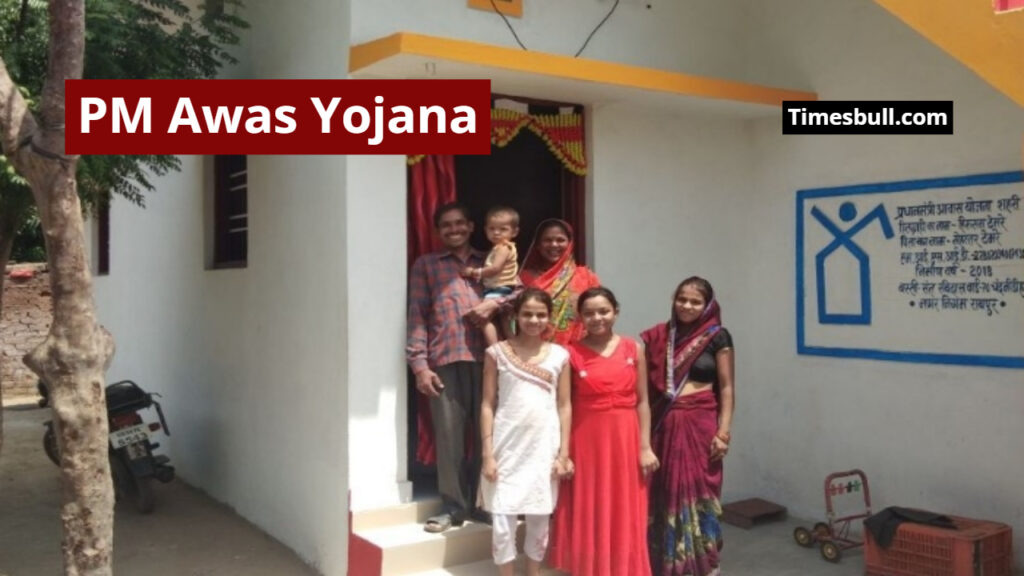
Under the ‘Housing for All’ mission, the government has now increased the minimum house size to 25 square meters (approximately 30 square yards). Funds under the scheme are transferred directly to the beneficiary’s Aadhaar-linked bank account, eliminating any scope for corruption.
Benefits of PMAY-G
The assistance provided under this scheme is divided according to geographical regions. For plain areas, the government assists with ₹120,000, while for hilly states, northeastern states, and difficult areas like Jammu and Kashmir, the amount is ₹130,000 per unit. In addition, an additional ₹12,000 is provided for toilet construction under the Swachh Bharat Mission. Under the MNREGA (MGNREGA), beneficiaries also receive 95 days of unskilled labor, amounting to approximately ₹18,000 to ₹20,000.
If you need more money to build a house, you can avail a loan of up to ₹70,000 at an affordable interest rate of just 3%. Additionally, a free gas connection is guaranteed under the Ujjwala Yojana and an electricity connection under the Saubhagya Yojana.
Who can avail of the scheme
This time, the government has tightened the survey rules to ensure that benefits reach only the rightful beneficiaries. Families who do not own a permanent house or are forced to live in dilapidated or mud houses are eligible. Beggars, ragpickers, agricultural laborers, and those freed from bonded labor are the primary beneficiaries.
However, some people will be considered ineligible for this scheme. If you own a permanent house with more than two rooms, have a refrigerator, or a landline phone, you cannot apply. Furthermore, if any family member is employed in a government job or has a monthly income exceeding ₹10,000, they will not receive the benefit. Regarding property, if you own more than 2.5 acres of irrigated land or a credit card limit of more than ₹50,000, you will be excluded from this landmark scheme.
Required Documents for Application
It is essential to have the correct documents for successful registration. A self-attested copy of your Aadhaar card and your MNREGA job card are essential for identification. Additionally, you must have a current bank account linked to Aadhaar so that the funds are directly transferred to you. You will also need to provide your Swachh Bharat Mission (SBM) number and an affidavit at the time of application, stating that you do not own any other permanent house anywhere in the country.
Process after the Awas Plus Survey
Data on new beneficiaries is currently being collected through the Awas Plus survey. After the survey, these names are physically verified at the Gram Panchayat level. A priority list is then prepared. If your name appears on this list, the department will geo-tag your home, and the money will then begin arriving in installments into your account.
How to apply for PMAY-G online
The application process for the scheme has now become quite transparent and digital.
First, you need to visit the official portal pmayg.nic.in.
Go to the ‘Data Entry’ section and enter personal details such as name, mobile number, and Aadhaar number.
After this, you need to upload the Aadhaar consent form.
The next step is to enter bank account details and, if a loan is required, information about the same.
Finally, enter your MNREGA job card and Swachh Bharat Mission number and submit the form.
The verification process will then be completed by the concerned office.
Latest News
- Xiaomi 17T Launching With Leica 5x Zoom and Huge 6,500mAh Battery Under ₹60,000

- NEET UG 2026 – Haryana & Bihar Announce Free Bus Service for Candidates on June 20-21

- PM Kisan 23rd Installment: Farmers to get Rs 2000 in June? Know Here

- Best Premium Smartwatches Under ₹10,000: Upgrade to Luxury Metallic Builds, AMOLED Screens, and In-Built GPS

- Maruti Dzire CNG Continues Dominance – Fuel Efficient Sedan Wins Indian Families

- Vivo Y600 Turbo Set to Debut: Featuring a 165Hz Display, Dimensity 8500, and a Massive 9,020mAh Battery

- HMD Vibe 2 5G Debuts in India with 6000mAh Battery & 50MP Camera: Get It For Just ₹9,499 With Launch Offers

- 8th Pay Commission लागू होते ही कितना हो जाएगा फिटमेंट फैक्टर, चेक करें अपडेट

- Oppo Find X9 Ultra Launched in India: Check Reliance Digital Price, Bank Offers, and Flagship Specs

- Electricity Bill Saving– How to Save Power During Summer Heat? Here Are the Few Tips