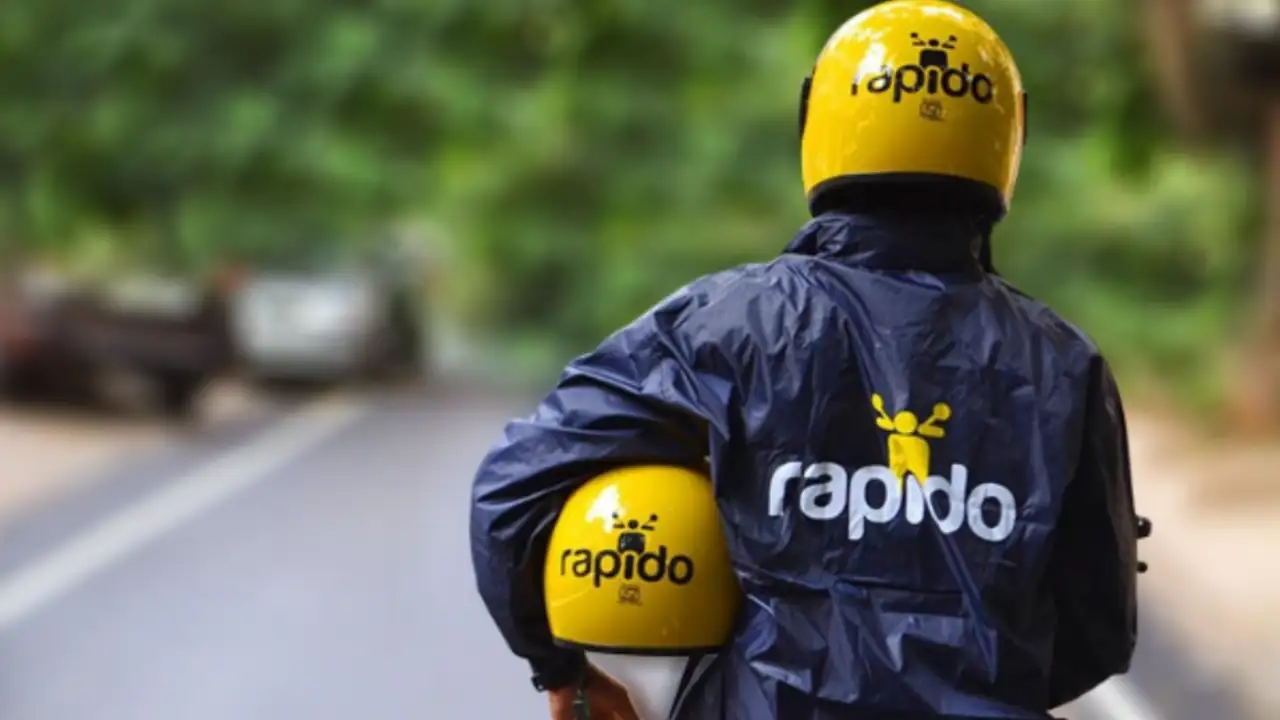
Cab riders who depend on mobile apps such as Ola, Uber, InDrive or Rapido could soon experience the pinch in their pocket. The central government has provided the app-based cab operators with a go-ahead to amend fares, with an option to charge double the base fare during peak hours. They could hitherto charge only up to 1.5 times the base fare. The ministry of Road Transport has also released new guidelines with this approval, which will have to be implemented by states within three months.
Fare Structure Changes
According to the new guidelines, cab aggregators are now allowed to charge up to 2X fares during peak hours, against the 1.5X limit before. For non-peak hours, a new minimum fare regulation will kick in at 50% of the base fare. The ministry hopes this differential fare will better assist cab operators in managing demand more smoothly while fairly compensating drivers.
New Guidelines for Driver Cancellations
Riders who cancel a ride for no good reason will have a penalty up to 10% of the entire fare, capped at ₹100. This will be split between the rider and the company. The same rule of penalty will be applied to riders cancelling rides for no good reason.
State Role in Base Fare
Minimum base fares for auto-rickshaw and bike taxi services will now be determined by every state. In Delhi and Mumbai, for example, the present taxi base fare is about ₹20–21 per kilometer, with Pune imposing about ₹18. The distance of less than 3 km covered in an empty vehicle to pick up a passenger cannot be charged extra. Fare will only be applicable from the pickup point to the destination.
Compulsory Tracking Devices for Safety
Every taxi and bike taxi will have to install a Vehicle Location and Tracking Device. This device will not only transmit information to the cab aggregator’s servers but also to control centers of the state government. This real-time tracking will enhance safety for passengers and drivers alike.
Rules for Driver Training
The ministry has also made annual refresher training compulsory for all drivers. Drivers whose performance is in the lowest 5% need to undergo quarterly training, or else they may be debarred from service. This should help enhance the quality of service. The states have been requested to implement these within three months.
Private Bikes as Taxis
The states are now allowed to approve private motorcycles as taxis using app-based services under the Motor Vehicle Aggregator Guidelines 2025. If state governments approve, passengers will be able to book private bikes for short trips in the future, particularly in less populated areas where there are limited public transport mediums. This move can provide great relief for last-mile connectivity in less populated or congested spaces.
Latest News
- Weather warning – Heavy Rain, thunderstorms, lightning Alerts for 13 States Over Next 3 Days

- UP TGT Exam City Slip 2026 Released – Download at upessc.up.gov.in, Exam June 3-4

- ATM Alert: एटीएम में फंस जाए डेबिट कार्ड तो घबराएं नहीं, फटाफट यह काम करने से होगा समाधान

- Post Office Scheme – 7.5% Interest Rate, ₹5 Lakh Becomes ₹7,24,974 in 5 Years, Start with Just ₹1,000
- Best AI Video Editing Laptops Under 60,000 INR: Top Picks Her

- Best CNG Cars: पेट्रोल के बढ़ते दाम के बीच ये सीएनजी गाड़ी खरीदकर खर्च करें कम, माइलेज भी जबरदस्त
- Samsung Stable One UI 8.5 Update to Galaxy Tab S10 FE and Tab S10 FE+

- बुढ़ापे की लाठी बनेंगी ये तीन स्कीम्स, निवेश से पहले जानिए कितना मिल रहा ब्याज

- OnePlus Nord CE 6 vs Samsung Galaxy A57: Which Mid-Range 5G Phone Wins?

- Lenovo LOQ 15 Gen 11 Review: Best Budget Gaming Laptop?