

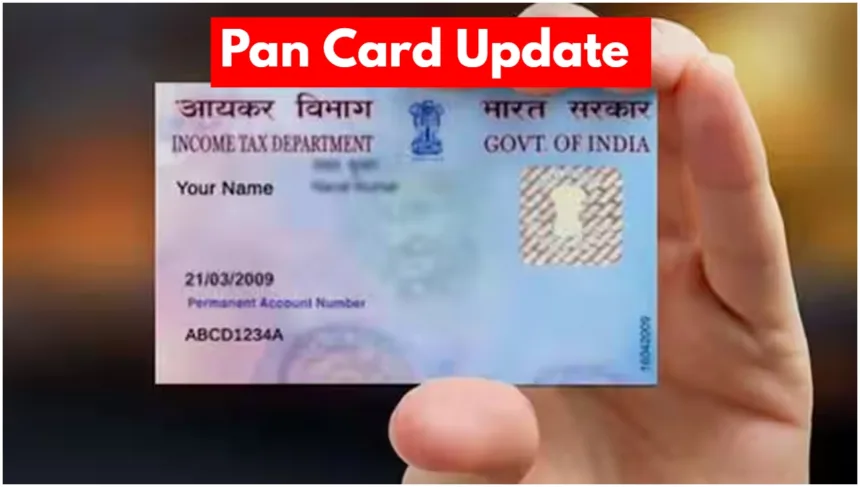
PAN Card New Rules: The first day of any month holds significant importance. The upcoming month—May—brings with it crucial changes relevant to PAN cardholders. If you possess a PAN card, this update is essential for you—and the details may leave you surprised. Failure to adhere to these changes could lead to various difficulties. Read on below to learn, in comprehensive detail, exactly what changes are being introduced regarding PAN card regulations.
Familiarise Yourself with Key PAN Card Regulations
The Income Tax Department has introduced vital regulations concerning PAN cards that you must be aware of. Effective May 1, 2026, the Income Tax Department is implementing new guidelines regarding the usage and verification of PAN cards. Non-compliance with these rules could result in your PAN card being rendered inactive. Consequently, this could bring your banking and tax-related operations to a standstill.
Penalties Will Apply
Did you know that, starting May 1, 2026, strict action will be intensified against PAN cards that are not linked to an Aadhaar card? Using a PAN card that lacks this linkage will not only attract a fine of ₹1,000 but will also result in Tax Deducted at Source (TDS) being deducted at double the standard rate.
Scrutiny on High-Value Transactions
Furthermore, according to the new regulations, it will be mandatory to furnish your PAN card—along with immediate verification—for any cash deposit or withdrawal exceeding ₹50,000. Additionally, regulations governing the purchase of jewellery and foreign currency transactions have also been made more stringent.
Promoting Digital PAN Cards
The government is now prioritising the ‘e-PAN’ (electronic PAN) alongside the physical PAN card. From May 1 onwards, the application process for an e-PAN will become even simpler. This will enable new taxpayers to obtain a digital identity instantly.
Penalties for Furnishing Incorrect Information
If you intentionally enter an incorrect PAN number on any government or banking form, you could face a penalty of up to ₹10,000 under Section 272B of the Income Tax Act. Effective May 1, the verification system is being further automated to ensure greater accuracy and compliance.