


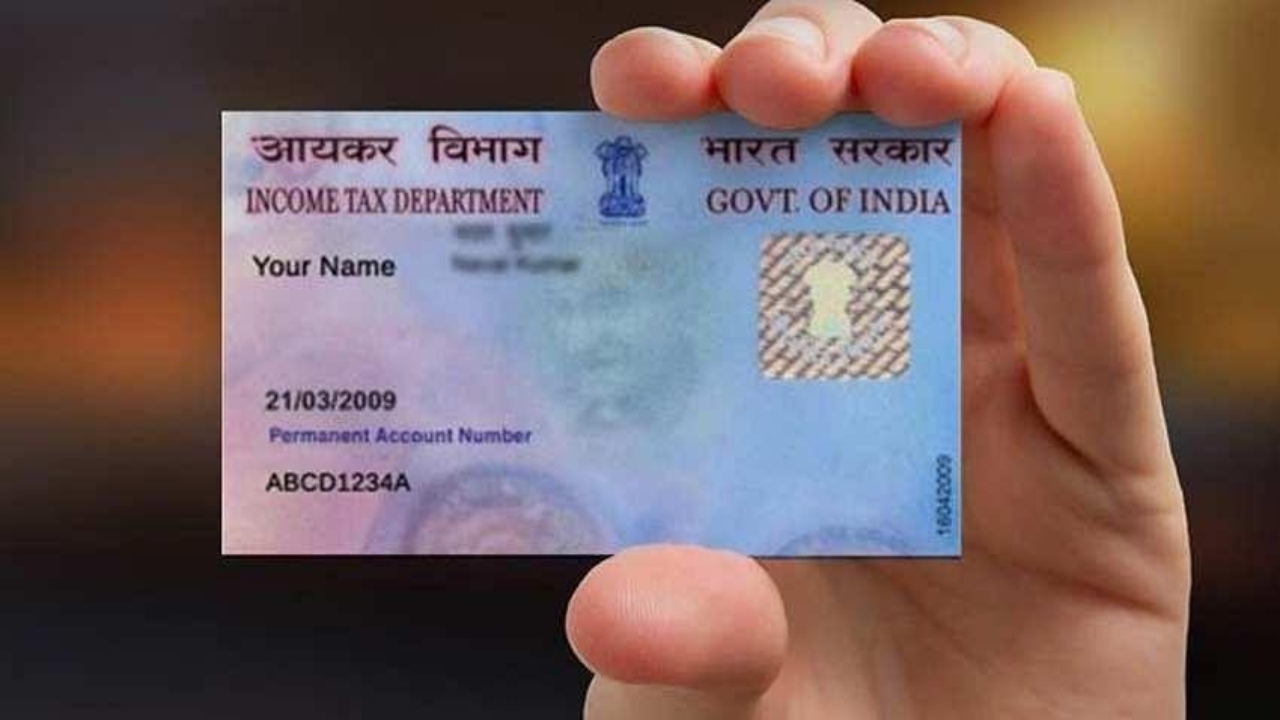
PAN Card Rules Change: Similar to the Aadhaar card, the PAN card has become an essential document in today’s world. Without it, handling any financial matters can be quite challenging. Starting next month, several significant changes regarding the PAN card are on the horizon. These changes will have a direct effect on your finances. Let’s delve into these changes one by one.
What Changes Are Coming to PAN Card Rules?
Beginning May 1, if an individual deposits or withdraws cash exceeding Rs 10 lakh annually in a bank or post office, they will be required to provide their PAN details.
In addition, if you spend over Rs 1 lakh at a hotel, restaurant, or event, you will also need to present your PAN.
If you purchase a vehicle, such as a bike or car, costing more than Rs 5 lakh, providing your PAN will be mandatory.
Moreover, if you’re buying property valued at over 20 lakh rupees, you will still need to supply your PAN. Overall, the government will keep a close eye on all significant transactions.
Furthermore, linking your PAN with Aadhaar will be compulsory starting January 1, 2026. If you haven’t completed this process yet, you might encounter issues down the line.
How to Link Aadhaar with PAN?
Step 1: First, visit the Income Tax e-filing portal. If this is your first time, you will need to register.
Step 2: After registering, log in using your user ID and password.
Step 3: Now, click on the “Link Aadhaar” option. If you can’t find this option, navigate to “Personal Details” under “My Profile.” You should see the “Link Aadhaar” option there.
Step 4: Next, enter your Aadhaar number and click the Validate button.
Step 5: Finally, you will receive a message confirming that your Aadhaar has been successfully linked to your PAN.
The request to link your Aadhaar and PAN will be sent to the UIDAI. The UIDAI will process this request and reactivate it. Please note that there may be a fee associated with linking your PAN and Aadhaar.