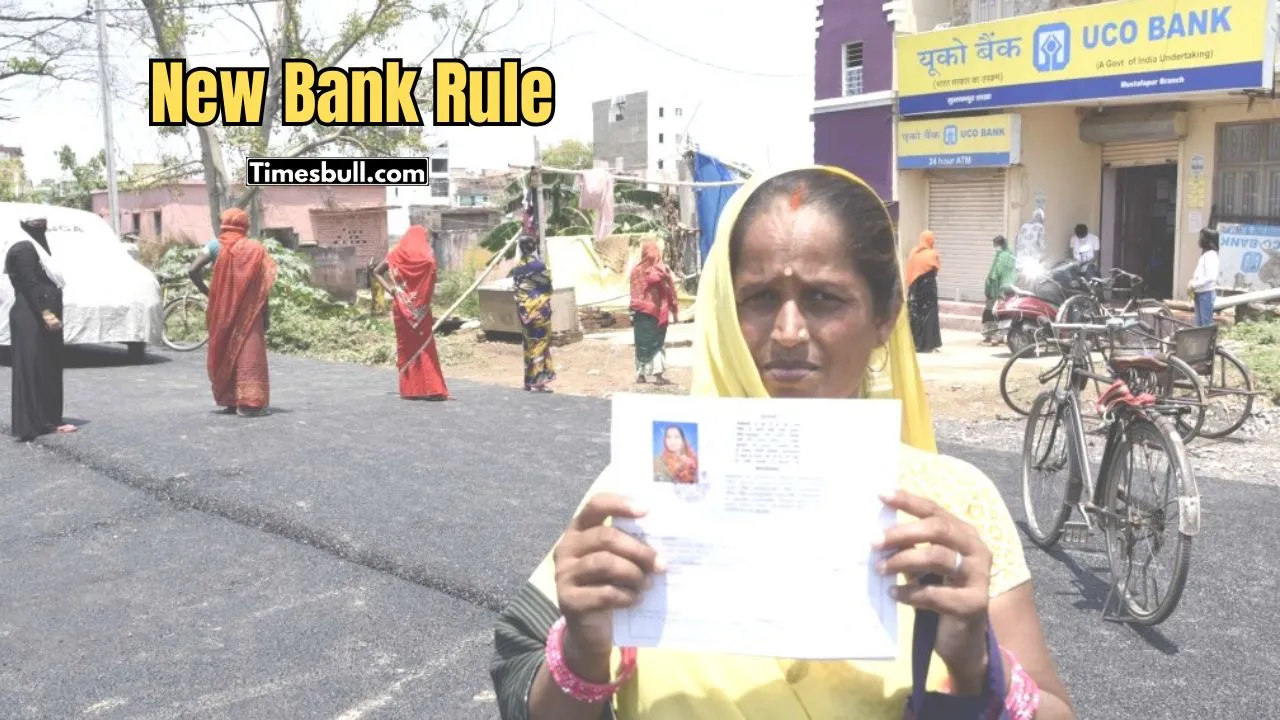
The Reserve Bank of India (RBI) is going to make some important changes in the banking services of the country from January 1, 2026. Which will affect lakhs of bank accounts across the country. These changes may also result in closure of some accounts.
That is why it is important for account holders to understand the new rules and take timely steps to avoid any problems.
To make the banking system more secure, transparent and efficient, the RBI has decided to close certain types of bank accounts. The aim is to reduce various types of fraud, including bank account hacking, and strengthen the digital banking system. Through these steps, the central bank wants to eliminate the flaws in the banking system and ensure better security and service for customers.
According to the new guidelines, three types of specific bank accounts may be closed from January 1, 2026. Which accounts will be affected and why? Here is a detailed discussion of what you need to know-
Dormant Account
An account in which no money has been deposited or withdrawn for two years or more is called a dormant account. Such accounts are easy targets for hackers. Because, they are not actively monitored. To protect customers and reduce fraud, the RBI has decided that these accounts can be closed if they are unused.
Inactive Account
Inactive accounts are those accounts in which there has been no transaction for a long period, usually 12 months or more. These accounts are also more vulnerable to misuse. According to the new rules of the Reserve Bank of India, such accounts can be closed if the account holder does not reactivate the account in time. Even a small transaction can keep the account active.
Zero Balance Account
Bank accounts that have a zero balance for a long period of time can also be closed. The RBI wants to stop the misuse of such accounts and reduce financial risks. This step encourages customers to keep their accounts active and helps banks ensure that KYC details are accurate.
Latest News
- Weather warning – Heavy Rain, thunderstorms, lightning Alerts for 13 States Over Next 3 Days

- UP TGT Exam City Slip 2026 Released – Download at upessc.up.gov.in, Exam June 3-4
- ATM Alert: एटीएम में फंस जाए डेबिट कार्ड तो घबराएं नहीं, फटाफट यह काम करने से होगा समाधान

- Post Office Scheme – 7.5% Interest Rate, ₹5 Lakh Becomes ₹7,24,974 in 5 Years, Start with Just ₹1,000

- Best AI Video Editing Laptops Under 60,000 INR: Top Picks Her

- Best CNG Cars: पेट्रोल के बढ़ते दाम के बीच ये सीएनजी गाड़ी खरीदकर खर्च करें कम, माइलेज भी जबरदस्त

- Samsung Stable One UI 8.5 Update to Galaxy Tab S10 FE and Tab S10 FE+

- बुढ़ापे की लाठी बनेंगी ये तीन स्कीम्स, निवेश से पहले जानिए कितना मिल रहा ब्याज

- OnePlus Nord CE 6 vs Samsung Galaxy A57: Which Mid-Range 5G Phone Wins?

- Lenovo LOQ 15 Gen 11 Review: Best Budget Gaming Laptop?