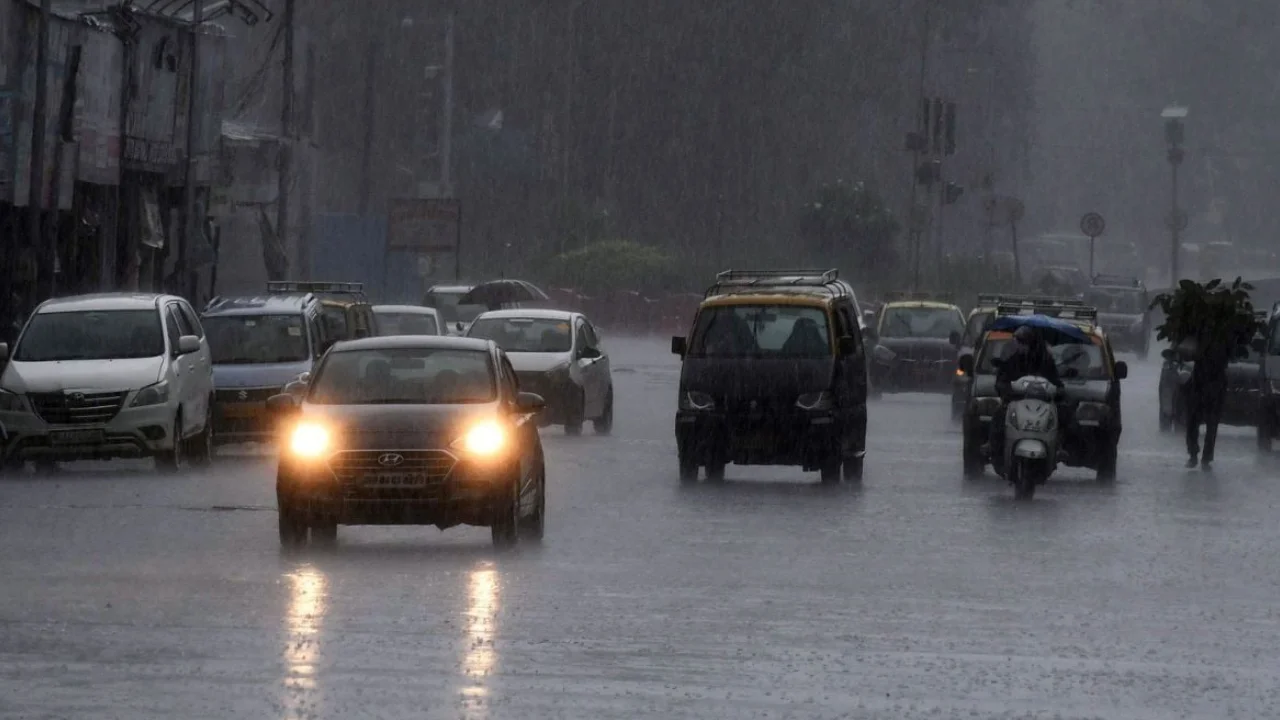
As monsoon season brings much-needed relief from heat, it also brings flooded roads and risky driving conditions. Many drivers enjoy the weather but overlook key precautions, which can turn a pleasant drive into a costly repair. Knowing what not to do during heavy rain can save you from big troubles and big bills.
Speeding in the Rain Can Be Dangerous
Rain makes roads wet and slippery. Driving fast on such roads increases the risk of losing control. Many people think speeding through waterlogged streets will help them avoid getting stuck, but that’s a big mistake. When a car moves quickly over water, the tyres can lose grip — a condition known as hydroplaning. This makes steering hard and raises the risk of accidents. Always drive slowly and with caution during rain.
Avoid Waterlogged Roads
Do not drive through streets filled with water. Even if it looks shallow, water can enter the engine from below. Once water gets in, the engine may stop working, and repairs can cost thousands of rupees. Always choose safer routes, even if they take more time.
Don’t Try to Restart a Wet Engine
If your car stops in a flooded area, do not try to start it again. If water has entered the engine and you try restarting, it can cause what is known as hydrolock. This can damage the engine severely, and you may end up paying a huge repair bill. Instead, call for towing or roadside help. Wait for professionals to check the car before turning it on again.
Why Monsoon Driving Needs More Attention
Driving in rain isn’t just about using wipers or lights. It’s about patience and alertness. Simple mistakes like speeding, ignoring water depth, or forcing the engine to restart can lead to heavy expenses and major repairs. By driving carefully and avoiding these mistakes, you can keep your car — and your wallet — safe during monsoon season.
Latest News
- PM Kisan Samman Nidhi Yojana: नहीं मिल रही 2000 रुपये की किस्त तो किसान तुरंत करवा लें यह काम

- Aadhaar Card Update Rules – How Many Times Can You Change Address, DOB & Number?

- Train Ticket: How to book a confirmed train ticket without an agent? Learn the Easy Steps

- Indian Railways– 155 Trains Express Declared High-Speed, Thousands of Railway Staff to Benefit

- Monsoon Alert – Warning Heavy to Very Heavy Rain alert & thunderstorms in 22 States Over Next 4 Days

- America-Iran War: मिडिल ईस्ट में तनाव होगा खत्म! ईरान ने होर्मुज रास्ते पर कही बड़ी बात

- PM Surya Ghar Yojana 2026: Get Up to Rs 78,000 Subsidy within 6 Easy Steps, Know Here

- Cheapest Available 5G Smartphones in India Under 10000

- UPSC Prelims Answer Key 2026 – How to Download UPSC Prelims Answer Key at upsc.gov.in

- 8th Pay Commission: एनपीएस और पुरानी पेंशन में कौन सी बेहतर, जानिए बड़ा अपडेट