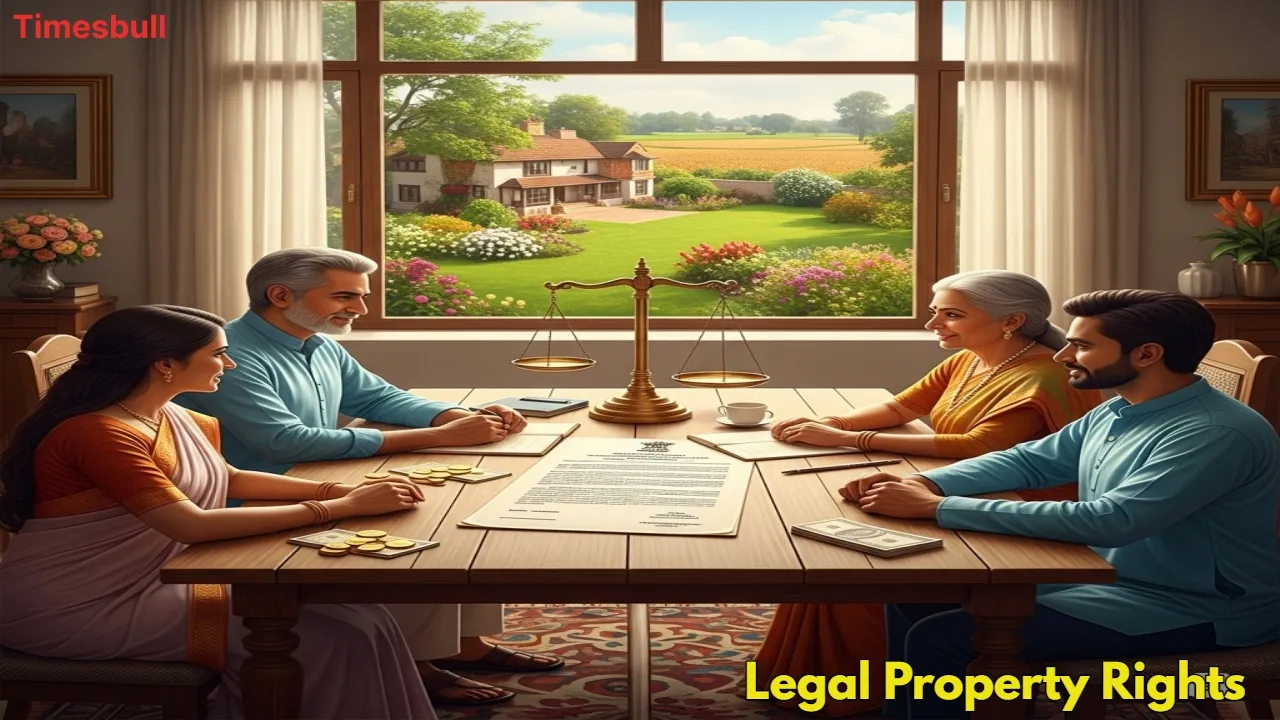
Most parents in India accumulate property for their children and sometimes even make a will, so that there is no dispute regarding the division of property after their death. But what if a person dies without leaving a will? In such a situation, how is the property divided, and what are the rights of a son and a daughter? The law has given equal rights to both son and daughter on the father’s property. Let us understand this complex subject in detail and know who can claim your property and how.
Daughters also have equal rights
According to the important amendment made in the Hindu Succession Act in the year 2005, daughters have also got equal rights as sons in the father’s property. Whether the daughter is married or unmarried, she gets an equal share in the father’s earnings, property, and ancestral property.
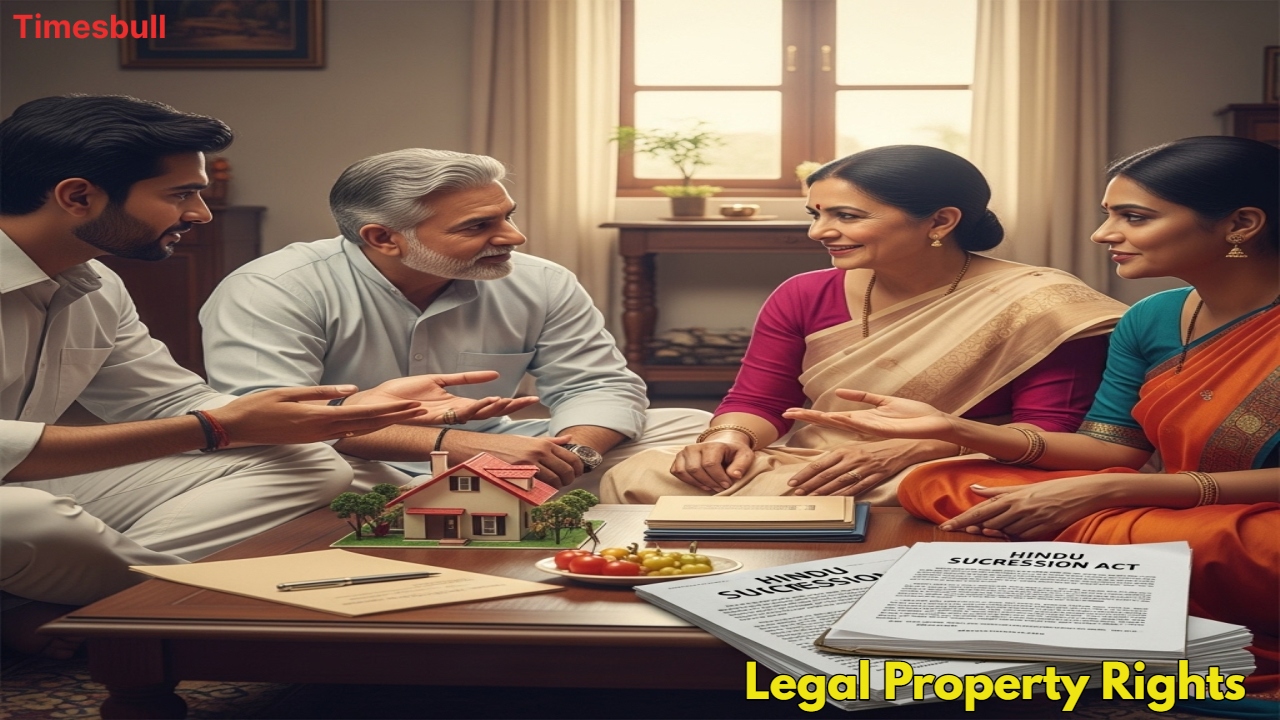
This applies only when the father has not written a will. If the father has written a will during his lifetime, then his property is divided according to that, and not under the Hindu Succession Act. A will is a legal document that states the wishes of a person for the distribution of their property after their death.
What if there is no will
If the father has not made a will, then his property is divided among his legal heirs under the Hindu Succession Act. In this situation, the son, daughter, and wife all get an equal share in the property. These are called ‘Class 1 Legal Heirs’ in the language of law.
Ancestral Property vs. Acquired Property
It is important to understand that a will affects only the property that the person has acquired himself (Self-acquired Property). A will does not affect ancestral property. All legal heirs have equal rights over it, because this property has been passed on for many generations.
The best way to avoid future disputes
The best way to avoid future property disputes is for parents to divide their property while they are still alive. This can be done in several ways:
Gifts

Many mothers gift land, jewellery, or houses to their daughters so that they can have financial security even after marriage.
Clarity in the will
If a person has two houses and two children, they can give one house to each child. He can live in one house himself and make a nominee in the will for the other property. This ensures that no one has any complaints later, and the scope of the dispute is reduced.
Rights of children born after divorce
A common question that arises is whether the children of a divorced woman have any rights in the ancestral property of her ex-husband. According to the Hindu Succession Act, such children also get inheritance in their father’s ancestral property, whether the father has remarried or not. The law protects the rights of such children and considers them equal partners in the ancestral property of their biological father. This is an important legal provision that secures the future of children, even if the parents are separated.
Latest News
- Weather warning – Heavy Rain, thunderstorms, lightning Alerts for 13 States Over Next 3 Days

- UP TGT Exam City Slip 2026 Released – Download at upessc.up.gov.in, Exam June 3-4

- ATM Alert: एटीएम में फंस जाए डेबिट कार्ड तो घबराएं नहीं, फटाफट यह काम करने से होगा समाधान

- Post Office Scheme – 7.5% Interest Rate, ₹5 Lakh Becomes ₹7,24,974 in 5 Years, Start with Just ₹1,000

- Best AI Video Editing Laptops Under 60,000 INR: Top Picks Her

- Best CNG Cars: पेट्रोल के बढ़ते दाम के बीच ये सीएनजी गाड़ी खरीदकर खर्च करें कम, माइलेज भी जबरदस्त

- Samsung Stable One UI 8.5 Update to Galaxy Tab S10 FE and Tab S10 FE+

- बुढ़ापे की लाठी बनेंगी ये तीन स्कीम्स, निवेश से पहले जानिए कितना मिल रहा ब्याज

- OnePlus Nord CE 6 vs Samsung Galaxy A57: Which Mid-Range 5G Phone Wins?

- Lenovo LOQ 15 Gen 11 Review: Best Budget Gaming Laptop?