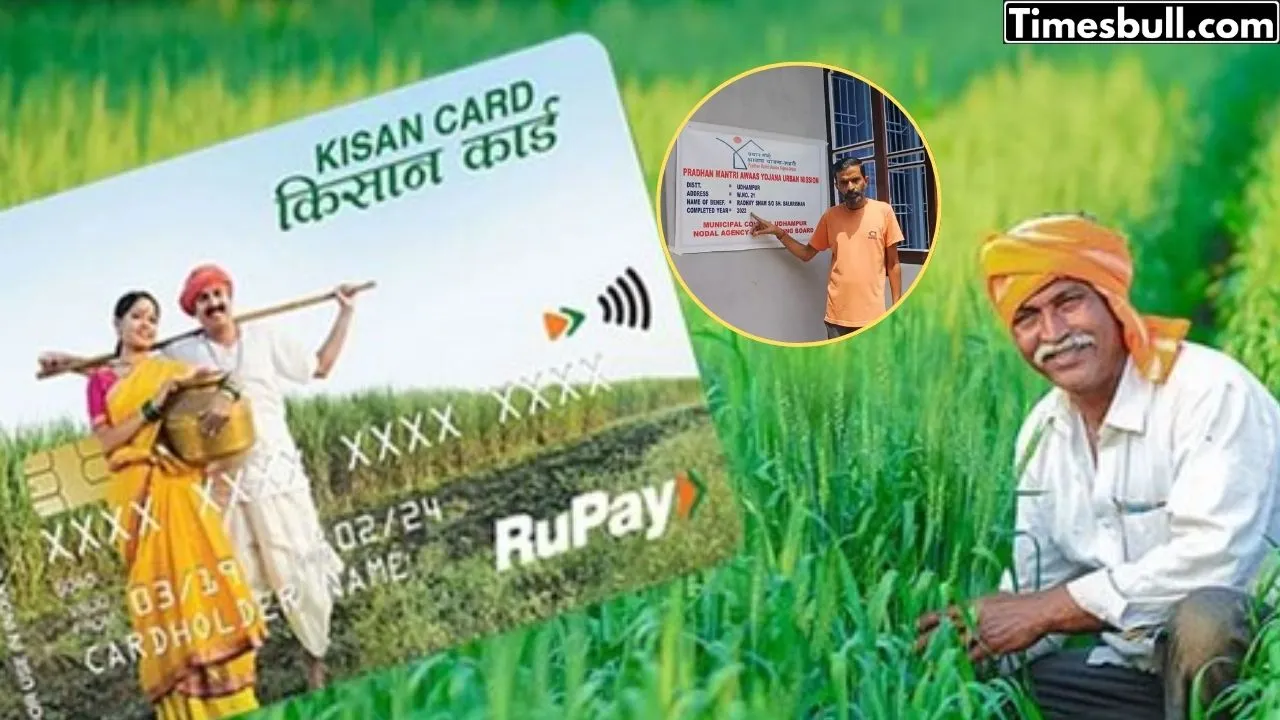
The Kisan Credit Card (KCC) is a powerful scheme of the Business Idea: Start These 4 Businesses With Low Investment, Then Earn Big Every Month”/gas-cylinder-why-was-the-number-of-subsidized-cylinders-reduced-government-explains-the-reaso-750917.html" class="tb-related-post-link" rel="bookmark">Gas Cylinder: Why Was the Number of Subsidized Cylinders Reduced? Government Explains the Reaso of India that frees farmers from the clutches of moneylenders and provides them with loans at very low interest rates. Rumors often spread in rural areas that KCC is only available from government banks or that owning land is mandatory.
However, the new rules of 2026 have dispelled all these myths. Now, even tenant farmers (sharecroppers) can avail of KCC. In this article, we will discuss in detail the unheard-of benefits of KCC and the entire application process, which can transform the fortunes of your farming.
The 2 Biggest Myths About KCC

Many misconceptions persist in rural India regarding the Kisan Credit Card, preventing needy farmers from taking advantage of this facility. The Agriculture Department has clarified these concerns. The first major misconception is that KCC is available only from government banks. The reality is that you can apply at any nationalized bank, regional rural bank (RRB), or even select private banks.
The second major misconception concerns land ownership. The government has clarified that tenant farmers and sharecroppers are now eligible for this scheme. This means that even if you cultivate land owned by others, you can still cover the cost of your crop by taking a KCC loan.
Every farmer’s primary need
Agriculture is the backbone of the Indian economy, but small farmers often lack capital. To purchase fertilizers, seeds, and pesticides on time, they are forced to borrow money at high interest rates. The primary objective of the KCC scheme is to connect farmers to the banking system so that they do not fall into the debt trap of moneylenders.
When a farmer receives a loan at a low interest rate of just 4% (if repaid on time), not only does his crop yield increase, but his financial situation also improves. The government wants every farmer to be able to adopt new technologies and scientific farming, for which timely financial assistance is essential.
Key Features of the KCC Scheme 2026
The government has now made this scheme more flexible and transparent than ever before. Once the card is issued, its validity lasts for a full 5 years. The loan amount is calculated based on the cost of the crop, insurance premiums, and other farming needs. The most powerful feature is that no processing fee is charged for loans up to ₹3 lakh.
Furthermore, crop insurance coverage is mandatory with the KCC, which protects farmers in times of natural disasters. Additionally, beneficiaries also benefit from additional insurance coverage under the Kisan Accident Insurance Scheme.
Benefits of KCC for Farmers

Having a Kisan Credit Card in your pocket means you have a solution to every farming problem. Through this, farmers can not only arrange for fertilizers and seeds for their crops, but also easily manage the costs of transporting and storing the produce to the market after harvesting.
During difficult times, this fund can also be used to meet family emergencies or repair agricultural equipment such as tractors or pumps. Best of all, farmers who repay their loans on time are given significant interest concessions, reducing their financial burden.
How to Apply
Getting a Kisan Credit Card is now very simple. You can visit any branch of a government, rural, or eligible private bank near you. You will need an Aadhaar card, PAN card, passport-size photo, and farming documents (or proof of sharecropping). Many banks now offer online applications through their official websites or mobile apps. Once the verification of documents is completed by the bank, your KCC card is issued, from which you can withdraw money at any time.