Kisan Credit Card: The Business Idea: Start These 4 Businesses With Low Investment, Then Earn Big Every Month”/gas-cylinder-why-was-the-number-of-subsidized-cylinders-reduced-government-explains-the-reaso-750917.html" class="tb-related-post-link" rel="bookmark">Gas Cylinder: Why Was the Number of Subsidized Cylinders Reduced? Government Explains the Reaso has implemented several special schemes for farmers, the benefits of which are made available periodically. Among these, you have likely heard of the Kisan Credit Card (KCC) scheme. Under this initiative, farmers can access loans at low interest rates. While the Kisan Credit Card facilitates access to affordable credit, failure to repay the loan on time can result in financial losses for the farmers.
These loans can be utilised to cover various expenses related to farming—such as fertilisers, seeds, and irrigation—as well as other operational costs. Frequently, due to financial constraints, farmers end up defaulting on their loans. In such situations, the question often arises: can the bank auction off the farmer’s land? It is crucial to understand the answer to this query. However, before addressing that, it is essential to first understand the nature of the Kisan Credit Card.
key highlights
- Loan amount:
- Initially: ₹50,000 to ₹3 lakh.
- Enhanced limit: Up to ₹5 lakh (based on landholding, crop type, and financial needs).
- Interest rate:
- Timely repayment earns a 3% annual interest rebate.
- Effective interest rate for farmers: only 4%.
- What happens on default?
- The bank first issues reminders and notices.
- After 90 days (3 months) of non-payment, the account is declared a Non-Performing Asset (NPA).
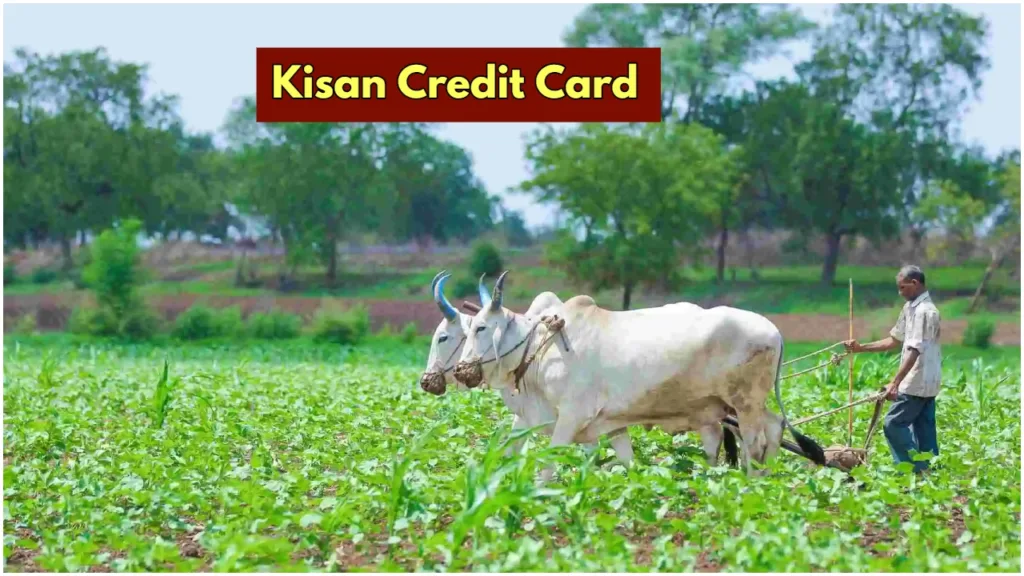
What is the Kisan Credit Card?
The Central Government launched the Kisan Credit Card scheme in 1998. The primary objective of this scheme is to liberate farmers from the clutches of local moneylenders and integrate them directly into the formal banking system. Through the Kisan Credit Card, individuals can withdraw funds as and when their financial needs arise.
Furthermore, the funds can be utilised specifically for agricultural purposes. It functions as a flexible line of credit. Farmers do not need to go through the entire application process repeatedly for the Kisan Credit Card; they can simply repay their outstanding loan at the end of each year and avail of a fresh loan facility.
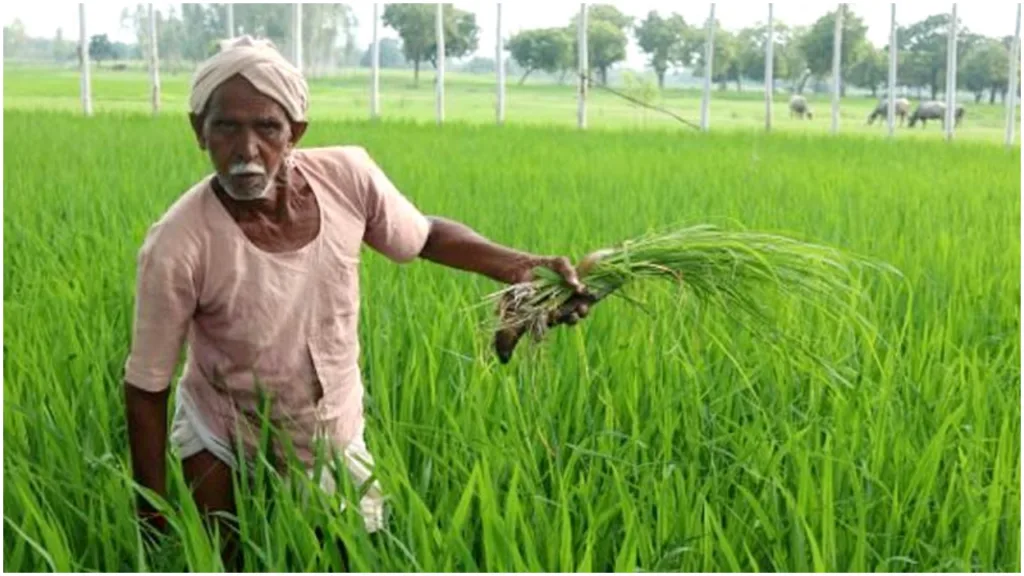
Interest Rates on the Loan
Did you know that through the Kisan Credit Card, farmers can avail of loans ranging from ₹50,000 to ₹3 lakh? However, the government has since enhanced this limit to ₹5 lakh. The specific loan limit is determined based on factors such as the farmer’s landholding, the type of crops cultivated, and their specific financial requirements. If a farmer repays the loan on time, they are eligible for an annual interest rebate of 3%. Consequently, farmers are required to pay an effective interest rate of only 4%.
What Action Does the Bank Take in Case of Default?
If, for any reason, a farmer fails to repay the loan within the stipulated timeframe, the bank’s initial step is to issue reminders and notices. If the borrower fails to make a payment for a period of three months (i.e., 90 days), the account is officially declared a Non-Performing Asset (NPA). Subsequently, the bank initiates the recovery process. This process typically begins with an attempt at a mutual settlement, followed by the issuance of a formal legal notice.
How Banks Conduct Recovery
When a bank exhausts most of its options for recovering dues from a borrower, the matter is referred to the administrative authorities. The Tehsildar initiates the recovery process by treating the outstanding amount as revenue arrears. If deemed necessary, the land may even be attached (seized). Subsequently, if the dues remain unpaid, the bank is compelled to make the decision to auction the land.
A public notice is issued before the land auction. The farmer is granted a final opportunity to settle the dues. The proceeds generated from the auction are utilised to recover the outstanding loan amount, and any surplus funds remaining thereafter are returned to the farmer. This entire process is conducted in accordance with the SARFAESI Act, 2002.
Circumstances Under Which Relief May Be Granted
Did you know that not every instance of loan default necessarily results in the auction of land? If, for any reason, the crops have been damaged due to floods, droughts, or other natural calamities—or if the government has announced a loan waiver or a relief package—the farmer may be eligible for assistance. Furthermore, a more lenient approach is often adopted in cases involving small and marginal farmers. Additionally, if crop insurance proceeds are still pending disbursement, the auction may be postponed.