The last date for filing Income Tax Returns (ITR) for the financial year 2024-25 is July 31. Experts advise that taxpayers should be careful while filing taxes and avoid mistakes so that they do not have to face things like penalties, delays in refunds, and investigation by the Income Tax Department. ITR forms have been made available for FY 2024-25. And this is the best time to prepare yourself to avoid last-minute mistakes. So, if you will also file ITR this time, do not make these 5 mistakes even by mistake.
Choosing the wrong ITR form
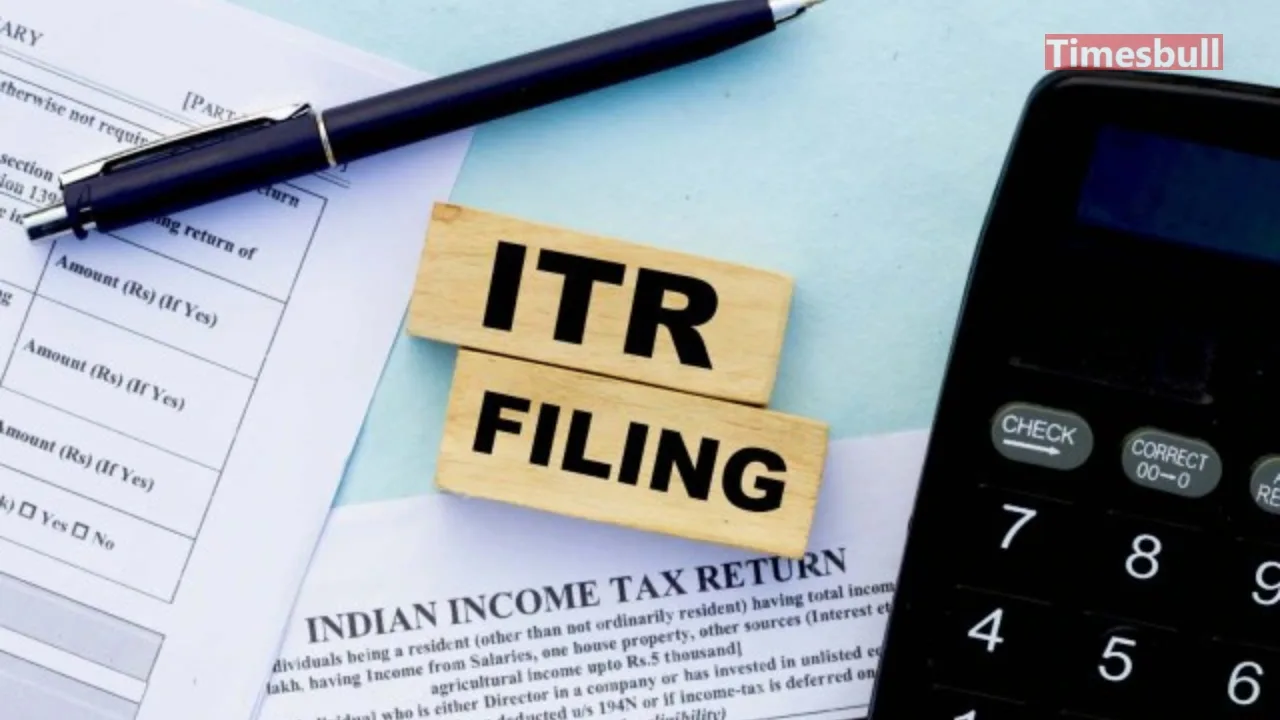
The most common mistake while filing taxes is choosing the wrong ITR form. Let us tell you that 7 forms are available on the Income Tax Department website according to different income types and taxpayer categories. Keep in mind that choosing the wrong ITR form invalidates your return and after which you will have to file a revised return. Therefore, it is very important to choose the right form according to your source of income.
Not filing returns on time
Another big mistake is not filing returns on time. The last date to file ITR is 31st July 2025, and failure to do so can attract a penalty of up to ₹10,000 and limit your ability to carry forward losses or claim certain deductions. So, don’t wait for the last date and file your returns as soon as possible.
Not disclosing all sources of income
Taxpayers often forget to disclose all sources of income, such as interest from savings or fixed deposits, rental income, or capital gains from mutual funds. Not disclosing any income to the Income Tax Department can set off alarm bells. So, report all your income honestly.
Not verifying returns
After filing the return, it is equally important to verify it. Unverified returns are considered invalid. This process can be completed online through Aadhaar OTP or net banking and is mandatory. So, don’t forget to verify your return immediately after filing it.
Not reviewing Form 26AS and AIS
Not reviewing Form 26AS and Annual Information Statement (AIS) can lead to discrepancies between your records and the tax department’s data. These forms provide complete details of taxes paid and financial transactions, and need to be cross-checked before submission. This will ensure that there are no mistakes in your return.
Latest News
- PM Surya Ghar Yojana 2026: Get Up to Rs 78,000 Subsidy within 6 Easy Steps, Know Here

- Cheapest Available 5G Smartphones in India Under 10000

- UPSC Prelims Answer Key 2026 – How to Download UPSC Prelims Answer Key at upsc.gov.in

- 8th Pay Commission: एनपीएस और पुरानी पेंशन में कौन सी बेहतर, जानिए बड़ा अपडेट

- Xiaomi 17T Launching With Leica 5x Zoom and Huge 6,500mAh Battery Under ₹60,000

- NEET UG 2026 – Haryana & Bihar Announce Free Bus Service for Candidates on June 20-21

- PM Kisan 23rd Installment: Farmers to get Rs 2000 in June? Know Here

- Best Premium Smartwatches Under ₹10,000: Upgrade to Luxury Metallic Builds, AMOLED Screens, and In-Built GPS

- Maruti Dzire CNG Continues Dominance – Fuel Efficient Sedan Wins Indian Families

- Vivo Y600 Turbo Set to Debut: Featuring a 165Hz Display, Dimensity 8500, and a Massive 9,020mAh Battery