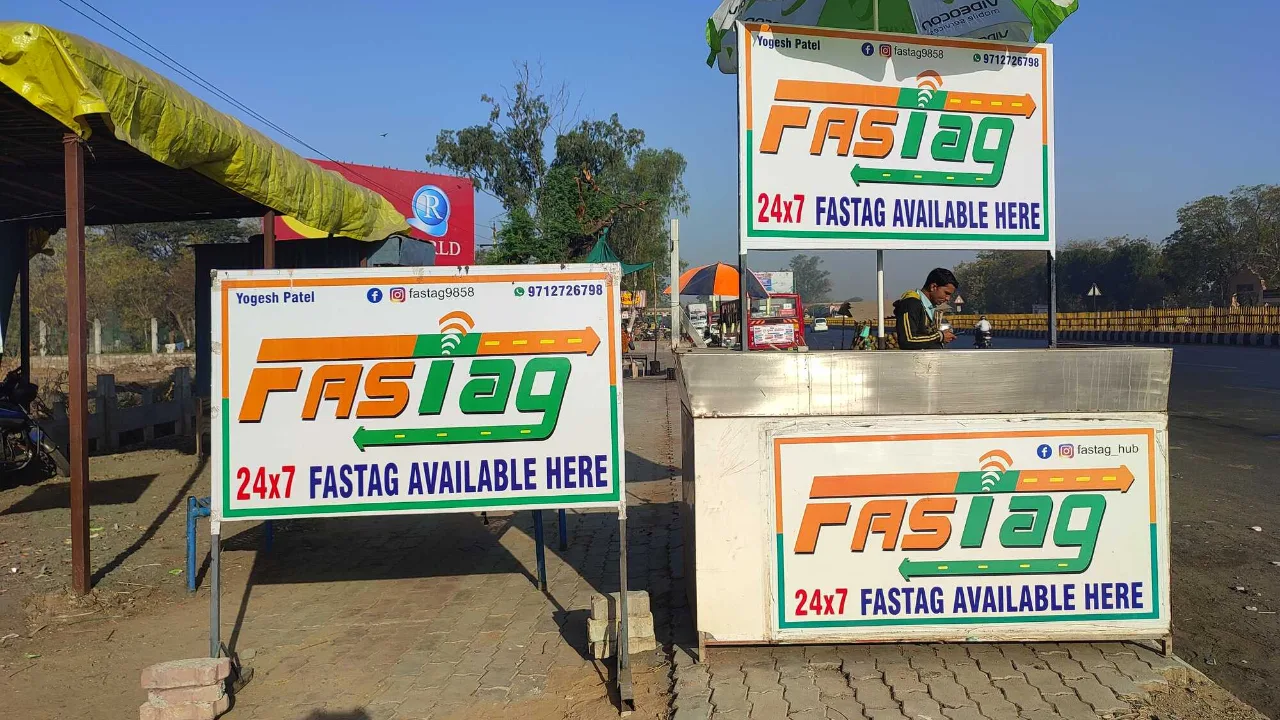
FASTag Scam: There is a major update for FASTagg users. Imagine you’re cruising down the highway when suddenly a message pops up on your phone. It warns you that your FASTag is about to run out. You need to quickly scan the QR code or top it up on a site that resembles NHAI. This is exactly what happened to Rahul, a salesman from Delhi, back in January 2026. He scanned the code at a toll plaza, filled in his details, and just like that, Rs 5,000 was deducted from his bank account. Incidents like this are on the rise all over India, with fraudsters exploiting the widespread use of FASTag.
How do they pull off this scam?
Scammers send out SMS or WhatsApp messages pretending to be from NHAI, warning about low balances or KYC updates. These messages direct you to fake websites or QR codes, where they can steal your FASTag ID, vehicle number, and OTP. A common tactic is to offer an ‘annual FASTag pass’ at a bargain price and request payment via UPI. This leaves the victim’s wallet drained, and their original FASTag gets blocked or their identity gets compromised. NHAI reports that these cases have surged since late 2025, leading to losses in crores.
How can you identify a fake site?
The guidelines emphasize the need to scrutinize the URL closely. The official NHAI website is nhai.gov.in. Be wary of fake URLs like nhai-online.in or nhaitollpass.com. The legitimate site won’t ask you to scan a QR code or provide unnecessary details at the toll. It’s wise to disregard unsolicited QR codes. Scammers also post phony links on toll boards. Priya from Mumbai managed to save Rs 3,000 by verifying with the official app.
Easy security tips:
– Stick to official channels: Use NHAI’s Rajmargyatra app, MyFASTag portal, or your bank.
– Never share your OTP, FASTag ID, or vehicle information over calls or messages. Banks will never request these details.
– Keep SMS alerts activated from the app and regularly check your balance.
– Watch out for red flags: hasty messages, unknown links, or numbers found through Google searches.
Several cases have been reported from Rajasthan and other states where people have made payments on fake websites and lost their money. Police have also warned that it is crucial to remain vigilant to avoid such frauds.
Message to the people
This scam is proof that digital convenience is increasing along with digital threats. Citizens should check the authenticity of websites before making any payments. If a link or QR code appears suspicious, immediately ignore it. If you are scammed, report it at cybercrime.gov.in or dial the NHAI helpline 1033 to lodge a complaint. Block your bank card and file a police FIR. Thousands of drivers are now driving safely on the roads with increased vigilance.
Latest News
- Weather warning – Heavy Rain, thunderstorms, lightning Alerts for 13 States Over Next 3 Days

- UP TGT Exam City Slip 2026 Released – Download at upessc.up.gov.in, Exam June 3-4

- ATM Alert: एटीएम में फंस जाए डेबिट कार्ड तो घबराएं नहीं, फटाफट यह काम करने से होगा समाधान
- Post Office Scheme – 7.5% Interest Rate, ₹5 Lakh Becomes ₹7,24,974 in 5 Years, Start with Just ₹1,000

- Best AI Video Editing Laptops Under 60,000 INR: Top Picks Her

- Best CNG Cars: पेट्रोल के बढ़ते दाम के बीच ये सीएनजी गाड़ी खरीदकर खर्च करें कम, माइलेज भी जबरदस्त

- Samsung Stable One UI 8.5 Update to Galaxy Tab S10 FE and Tab S10 FE+

- बुढ़ापे की लाठी बनेंगी ये तीन स्कीम्स, निवेश से पहले जानिए कितना मिल रहा ब्याज

- OnePlus Nord CE 6 vs Samsung Galaxy A57: Which Mid-Range 5G Phone Wins?

- Lenovo LOQ 15 Gen 11 Review: Best Budget Gaming Laptop?