

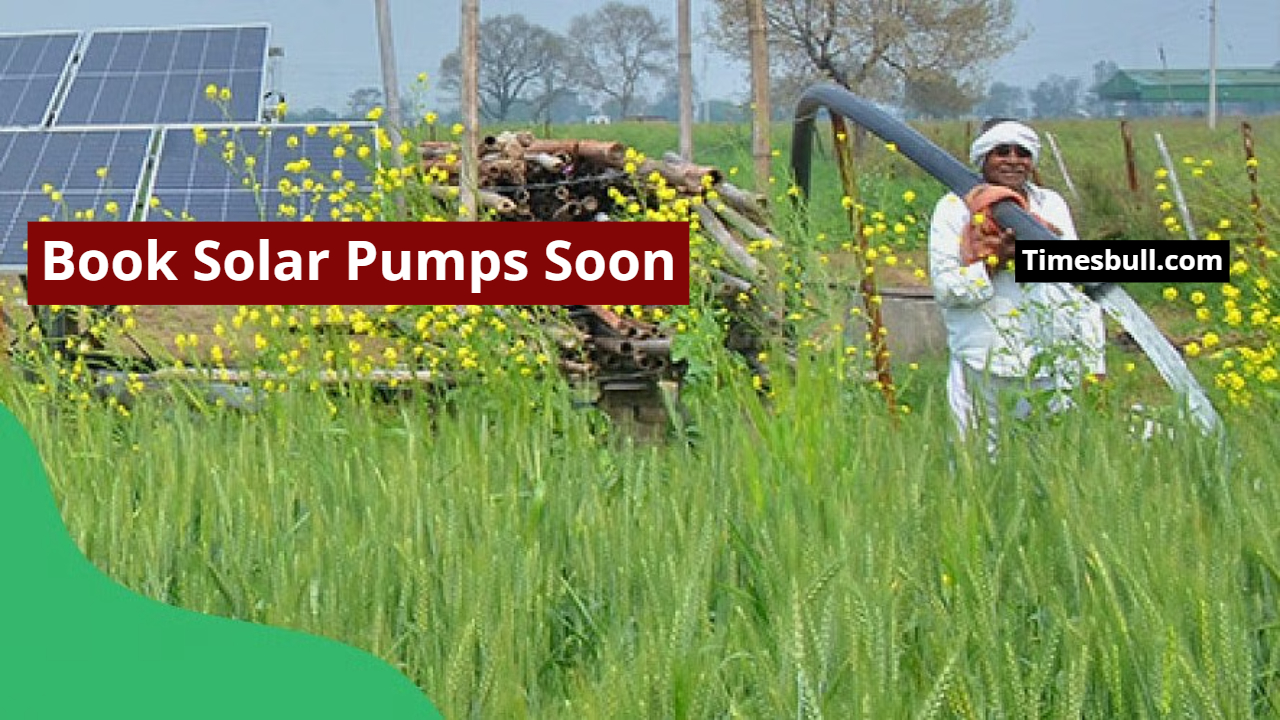
The process for booking solar pumps for farmers under the Pradhan Mantri Kisan Urja Suraksha Evam Utthan Mahabhiyan (PM-KUSUM) scheme has officially begun in the district. This scheme, implemented to provide relief to farmers from traditional power problems and increase energy independence in agriculture, will remain open until December 15th. During this period, eligible farmers will be able to apply online through the department’s portal to receive solar pumps at a subsidy of up to 60%.
Read More- Honda CB150X – Expected Launch, Features, Engine & Price in 2025
Application Process for Solar Pump Booking
Applying for the scheme can be done through the Darshan portal, available on the department’s official website. A token deposit of ₹5,000 is mandatory during the application process, ensuring that only genuinely interested farmers are included. Farmers who do not have internet access can complete their applications at any nearby CSC centre using their registration number or Aadhaar card.
Boring Standards According to Solar Pump Capacity
The scheme also stipulates the borehole capacity required before installing solar pumps on farmers’ fields. Four-inch boring is mandatory for two HP pumps, six-inch for three and five HP pumps, and eight-inch for 7.5 and 10 HP pumps. A total target of 1,497 solar pumps has been set for the district, and the selection will be done through an e-lottery process to ensure a completely transparent and fair selection process.
Read More- Retirement Will Be Enjoyable, You Will Receive a Monthly Pension of ₹50,000, Learn How
Key Benefits to Farmers from the Scheme
The biggest benefit of the PM-KUSUM scheme is uninterrupted power supply for farmers. Power outages during agricultural operations have long been a concern, but solar pumps will relieve farmers of this problem. Additionally, the overall cost of irrigation will be significantly reduced, as the pumps will be completely solar-powered. This will increase production capacity and provide farmers with a stable income. The government aims to make the agricultural sector energy-sufficient, reducing farmers’ expenses and increasing production in the long run.