

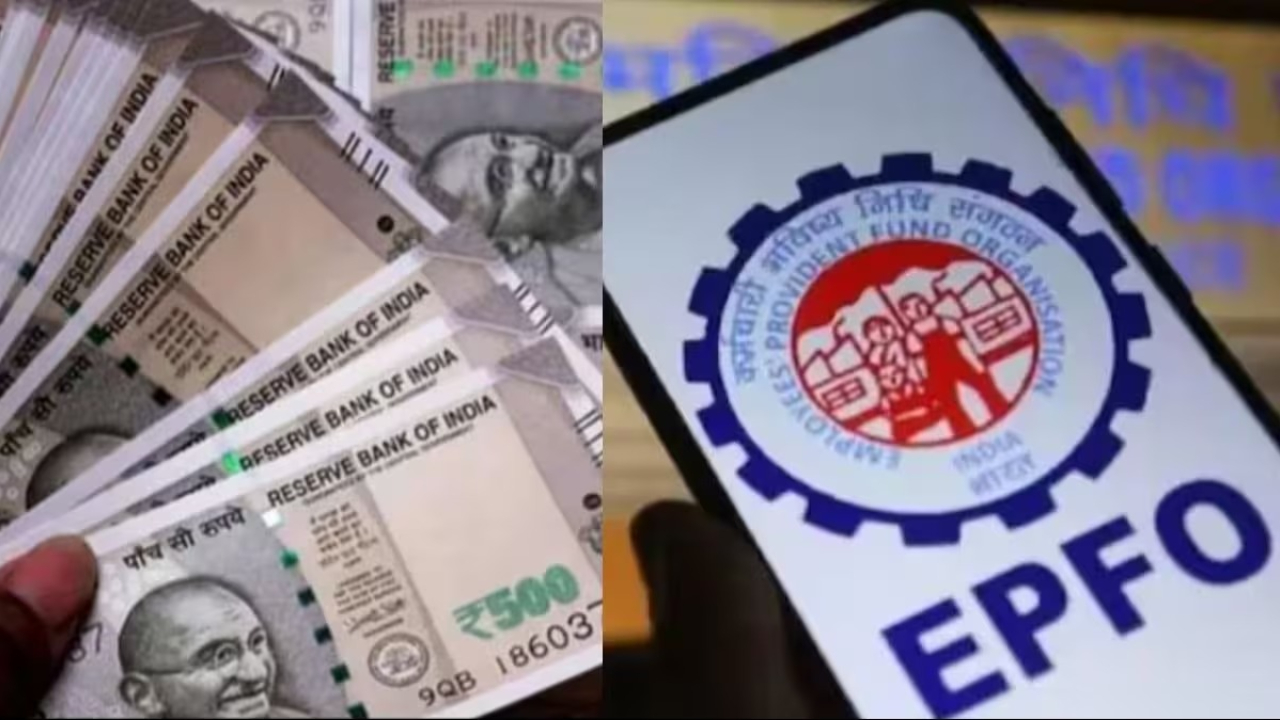
PF ATM Withdrawal: The Employees’ Provident Fund Organization is set to let its employees withdraw from their Provident Fund (PF) accounts using ATM cards and UPI soon. This new feature is expected to roll out by April. Right now, the organization is working on developing the necessary systems for this.
Last year, the Ministry of Labor and Employment revealed that it would be easier for EPFO members to make withdrawals. Members will be able to take out a specific amount from their deposits without needing prior approval. ATM withdrawals will be part of this process. All modules of EPFO 3.0 have completed their trial runs, according to sources. There are currently no technical issues, but the EPFO wants to make sure everything runs smoothly once it’s in operation. Therefore, testing is being carried out from all angles.
It’s worth mentioning that just a few months back, the EPFO allowed members to withdraw up to 75% of their PF account balance. This change will make it easier for members to access funds in case of urgent needs in the future. If you’re considering investing in the NPS Vatsalya Yojana for your child’s bright future, you should know that the Pension Fund Regulatory and Development Authority has released new guidelines for this scheme designed for children.
These updates, especially those concerning investments for minor children, withdrawals, asset allocation, and tax benefits, aim to make the plan more flexible, transparent, and beneficial for families. The clear guidelines for partial withdrawals have also made the plan handy for temporary needs, while a larger allocation to equities has boosted the potential for long-term returns.
NPS Vatsalya is a government pension scheme created for minor children. Parents or guardians can invest in this account under their children’s names to secure their future pension. This scheme was introduced in Budget 2024-25 and officially launched on September 18, 2024. It is a long-term savings and investment tool, with investments remaining active until the child reaches the age of 18. After that age, further options become available to the child.