
EPFO Tightens Rules for Private PF Trusts, Everyone Should Know About It
Under the new guidelines, no exempted PF trust is permitted to offer interest exceeding 2 percentage points above the annual interest rate set by the EPFO.

 Join Us
 Add as a preferred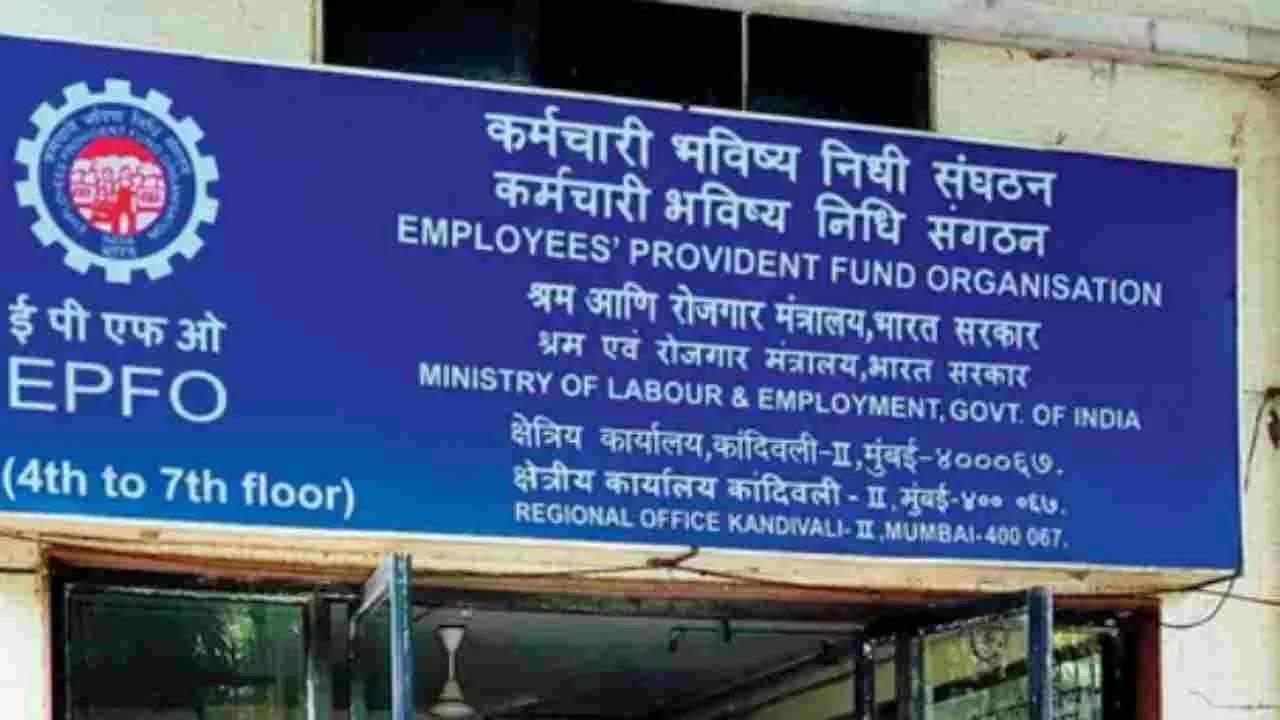
Epfo Office
EPFO Rules: Big news for EPFO members. The Employees’ Provident Fund Organization (EPFO) has introduced important modifications to the regulations governing companies that manage private PF trusts. With these new regulations, a 2% interest cap has been established for exempted entities. Furthermore, the previous requirement for an annual audit has been substituted with a risk-based audit approach. The government asserts that this will safeguard employee interests and streamline the regulatory framework for businesses.
According to the updated Standard Operating Procedures (SOPs), interest rates for these trusts are now limited. Under the new guidelines, no exempted PF trust is permitted to offer interest exceeding 2 percentage points above the annual interest rate set by the EPFO. The government indicates that this measure aims to uphold financial discipline and protect the savings of employees. Reports suggest that some smaller trusts were announcing interest rates exceeding 30%, despite having a limited number of members, which could heighten financial risks. This interest rate cap has been implemented to avert such situations.
Another significant alteration in the regulations pertains to the audit system. Mandatory annual audits for all companies are no longer required. The EPFO will now conduct audits solely on those companies that exhibit potential for violations or financial risks. This new approach is referred to as a risk-based audit system. The government believes that this will alleviate the unnecessary burden on compliant companies and facilitate smoother business operations.
How many companies run PF Trust?
There are approximately 1,000 to 1,200 large companies, public sector undertakings (PSUs), and private organizations in the country that are exempt from the EPFO. These companies operate separate PF trusts for their employees under Section 17 of the Employees’ Provident Fund and Miscellaneous Provisions Act, 1952. However, they are required to provide benefits equal to or better than the standard EPFO scheme.
The new SOPs allow companies to retain their exempt status even after mergers and acquisitions. Furthermore, if a company voluntarily surrenders its exempt status or does so under a court order, it must issue a public notice. This aims to protect the interests of employees and ensure that their deposits are safely transferred to their accounts. These new EPFO rules will be officially notified soon. It is believed that this will increase transparency in private PF trusts and ensure greater security for employees’ retirement savings.
FAQs: People Also Ask
There are approximately 1,000 to 1,200 large companies, public sector undertakings (PSUs), and private organizations in the country that are exempt from the EPFO.
The new SOPs allow companies to retain their exempt status even after mergers and acquisitions.
Another significant alteration in the regulations pertains to the audit system. Mandatory annual audits for all companies are no longer required. The EPFO will now conduct audits solely on those companies that exhibit potential for violations or financial risks. This new approach is referred to…
There are approximately 1,000 to 1,200 large companies, public sector undertakings (PSUs), and private organizations in the country that are exempt from the EPFO. These companies operate separate PF trusts for their employees under Section 17 of the Employees' Provident Fund and Miscellaneous Provisions Act,…
The new SOPs allow companies to retain their exempt status even after mergers and acquisitions. Furthermore, if a company voluntarily surrenders its exempt status or does so under a court order, it must issue a public notice. This aims to protect the interests of employees…

Sweta Mitra
Next Article
HBSE 10th Result 2026 – How to Check the result Via Roll Number, Direct Link bseh.org.in
Haryana Board 10th Result 2026: The Haryana Board is likely to release the Class 10 examination results this week. Students of the Haryana Board will be able to check their results by visiting the Board’s official website, bseh.org.in. To pass the examination, students must secure 33 percent marks.


Haryana Board 10th Result 2026: The Board of School Education, Haryana (BSEH) has already released the Class 12 results, and Class 10 students are now eagerly awaiting their own. According to various media reports, the HBSE Class 10 Result 2026 is expected to be released sometime this week. The results will be published on the official Haryana Board website, where students can check their scores by entering their roll numbers. Students who appeared for the examination are advised to keep their roll numbers ready in advance to check their results promptly.
Check Your Result on These Websites:
bseh.org.in
results.bseh.org.in
digilocker.gov.in
Write a Comment