
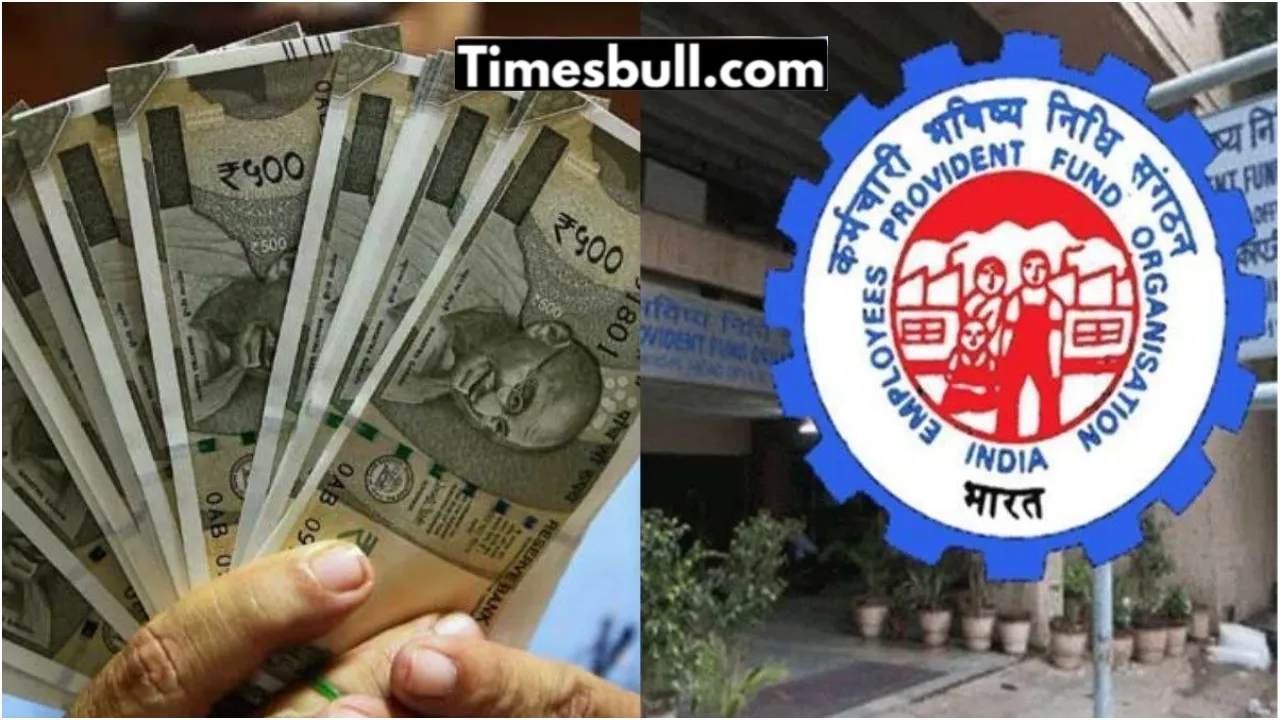
To secure the future of the employees, the government has made a provision of the PF, i.e., Provident Fund. But most people consider it only as a fund available after retirement. The reality is that a PF account gives you many such benefits even during the job, which very few people know about.
The money deposited in the PF account is not just your savings, but it acts as a security shield. Let us know about the 5 biggest benefits of a PF account, which make it a great investment option.
Perfect way to save tax
Investment made in PF can get you a tax exemption of up to ₹ 1.5 lakh under Section 80C. This makes it a great tax-saving tool. Note: a new rule has come into effect from April 2021. If your annual PF contribution is more than ₹ 2.5 lakh, then you will have to pay tax on the additional amount.
Insurance protection of up to ₹ 7 lakh
With a PF account, you also get the benefit of insurance cover. This is given under EDLI (Employees’ Deposit Linked Insurance Scheme). If an employee dies during the job, his nominee is paid up to 35 times the average salary of the last 12 months. Its maximum limit can be up to ₹ 7 lakh, which gives a big financial help to the family.
The PF fund is also useful in an emergency
You can use the PF fund even before retirement. This fund acts as a financial safety net for you in emergencies. If you lose your job or remain unemployed for a long time, then you can withdraw some amount from this fund. This money comes in handy in your difficult times.
Better returns than savings

EPFO (Employees Provident Fund Organization) does not keep your funds in one place, but invests them in many different places. PF money is invested 5-15% in ETFs, 45-50% in government bonds, 35-45% in debt instruments, and 5% in money market. Due to such a diversified portfolio, the return on PF is much higher than that of a savings account, which makes your savings grow rapidly.
Pension is available on retirement
If you have worked for at least 10 years and you have completed 58 years of age, then you become eligible for EPS, i.e., Pension Scheme.
Types of pension:
Pension after retirement
Widow or orphan pension
Disability pension
Pension for nominee or dependents
It assures you a regular monthly income even after retirement.
Latest News
- Weather warning – Heavy Rain, thunderstorms, lightning Alerts for 13 States Over Next 3 Days

- UP TGT Exam City Slip 2026 Released – Download at upessc.up.gov.in, Exam June 3-4

- ATM Alert: एटीएम में फंस जाए डेबिट कार्ड तो घबराएं नहीं, फटाफट यह काम करने से होगा समाधान

- Post Office Scheme – 7.5% Interest Rate, ₹5 Lakh Becomes ₹7,24,974 in 5 Years, Start with Just ₹1,000

- Best AI Video Editing Laptops Under 60,000 INR: Top Picks Her

- Best CNG Cars: पेट्रोल के बढ़ते दाम के बीच ये सीएनजी गाड़ी खरीदकर खर्च करें कम, माइलेज भी जबरदस्त

- Samsung Stable One UI 8.5 Update to Galaxy Tab S10 FE and Tab S10 FE+

- बुढ़ापे की लाठी बनेंगी ये तीन स्कीम्स, निवेश से पहले जानिए कितना मिल रहा ब्याज

- OnePlus Nord CE 6 vs Samsung Galaxy A57: Which Mid-Range 5G Phone Wins?

- Lenovo LOQ 15 Gen 11 Review: Best Budget Gaming Laptop?