
Inactive Account: If you have not made any transactions in your bank account for a long time, then be careful. Your account can become inactive or dormant. This not only stops your services but also makes it difficult to access the funds deposited in it. However, the good thing is that a dormant account can be reactivated, provided you have the right information about its rules and procedures.
Why do accounts become inactive or dormant
If a customer does not make any transaction in his account for 12 consecutive months, the bank declares it inactive. If this situation persists for 24 months or more, the account becomes dormant. It is also worth noting that the interest credited or any debit made by the bank does not count as a ‘transaction made by the customer’.
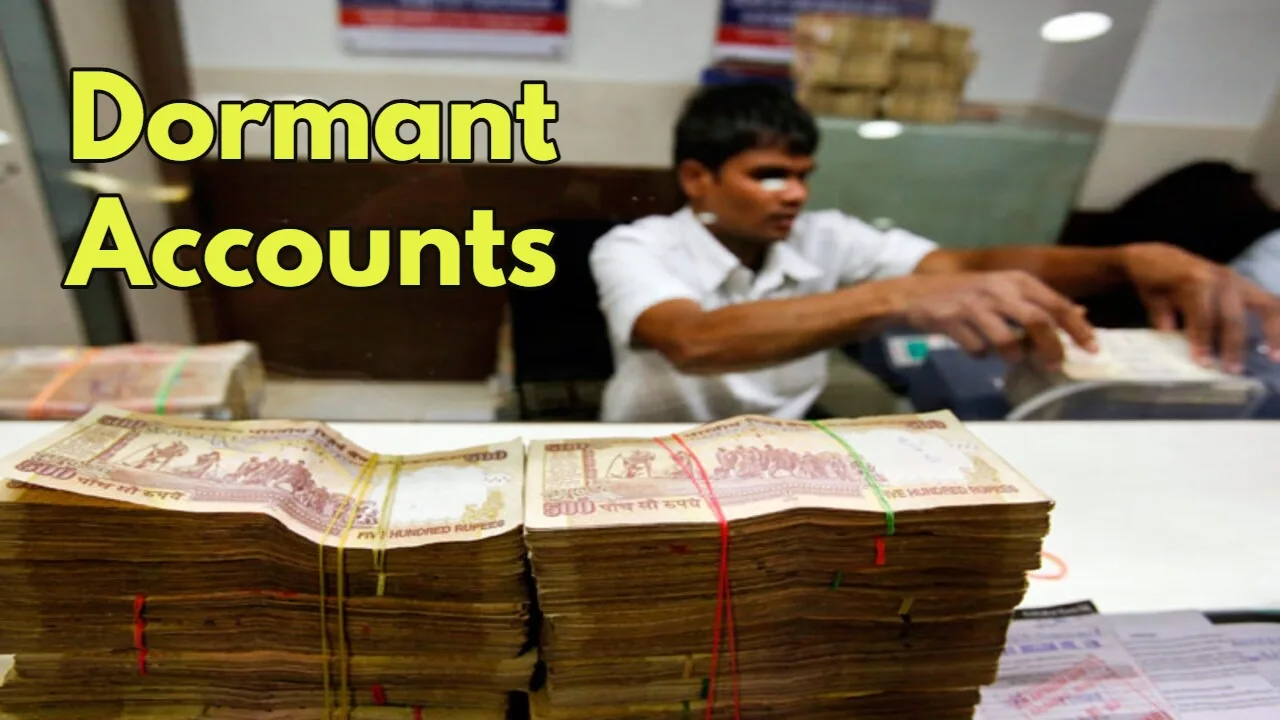
There are a few typical reasons why an account may become dormant:
The account holder shifts to another place and does not pay attention to the old account.
Choosing a new bank and forgetting about the old account.
An account in the name of a deceased account holder that is not active.
Deposit-type accounts that do not see any transactions for years.
How to reactivate a dormant account
To reactivate the account, you will usually have to visit the nearest branch of the bank. Also, bring a few documents:
Valid identity proof: Aadhaar, PAN, etc.
Account number or passbook.
New address proof if the address has changed.
The bank will take a written request and, if required, a fresh KYC form will be filled. Some banks now accept video KYC or call verification as well, but in most cases, in-person verification is required.
Once the process is complete, the account is reactivated and you can avail of services like NEFT, UPI, or cash withdrawal again. If you wish, you can also close the account by transferring funds.
Do banks levy a penalty
No. As per RBI guidelines, banks cannot levy any fee or penalty for reactivating a dormant or inactive account. Also, the amount deposited in the account continues to earn interest – even if it is inactive. The account is deactivated for the benefit of the customer so that no fraud can be committed with the account.
What happens to an account that remains inactive for 10 years

If your account remains inactive for 10 years or more, the deposits are transferred to RBI’s DEAF (Depositor Education and Awareness Fund). However, you can claim your funds by approaching the bank with proper documents.
How to prevent accounts from becoming dormant
To prevent your account from becoming inactive or dormant, there are some simple ways:
Make some transactions from your account every few months, even if it is a UPI transfer of ₹10.
Link the account to an auto debit, UPI app, or mobile wallet, so that there is regular activity.
However, if the account becomes inactive, contact the bank and get it activated.
If the account is not required, it is better to close it.
Latest News
- How to Replace Siri with ChatGPT on iPhone: Step-by-Step iOS Setup

- Petrol-Diesel Price Today: 24 मई को कितना बदला पेट्रोल-डीजल का भाव, चेक करें 1 लीटर की कीमत

- America Update: व्हाइट हाउस के दरवाजे पर 25 राउंड फायरिंग से मची खलबली, संदिग्ध हमलावर की मौत

- Tata Tiago Facelift Launching Soon – Aggressive Design And High-Tech Cabin Revealed

- LPG Gas Connection Transfer Made Easy, Learn the Complete Process

- New Honda City Facelift 2026 Launched – Sporty Coupe Look And ADAS Safety Revealed

- 8th Pay Commission: केंद्रीय कर्मचारियों की बढ़ेगी बंपर सैलरी! आयोग ने उठाया यह बड़ा कदम

- China: चीन के कोयला खदान में भयंकर विस्फोट, 90 लोगों की गई जान, पीएम मोदी ने भी जताया दुख

- Weather warning – Heavy Rain, thunderstorms, lightning Alerts for 13 States Over Next 3 Days

- UP TGT Exam City Slip 2026 Released – Download at upessc.up.gov.in, Exam June 3-4