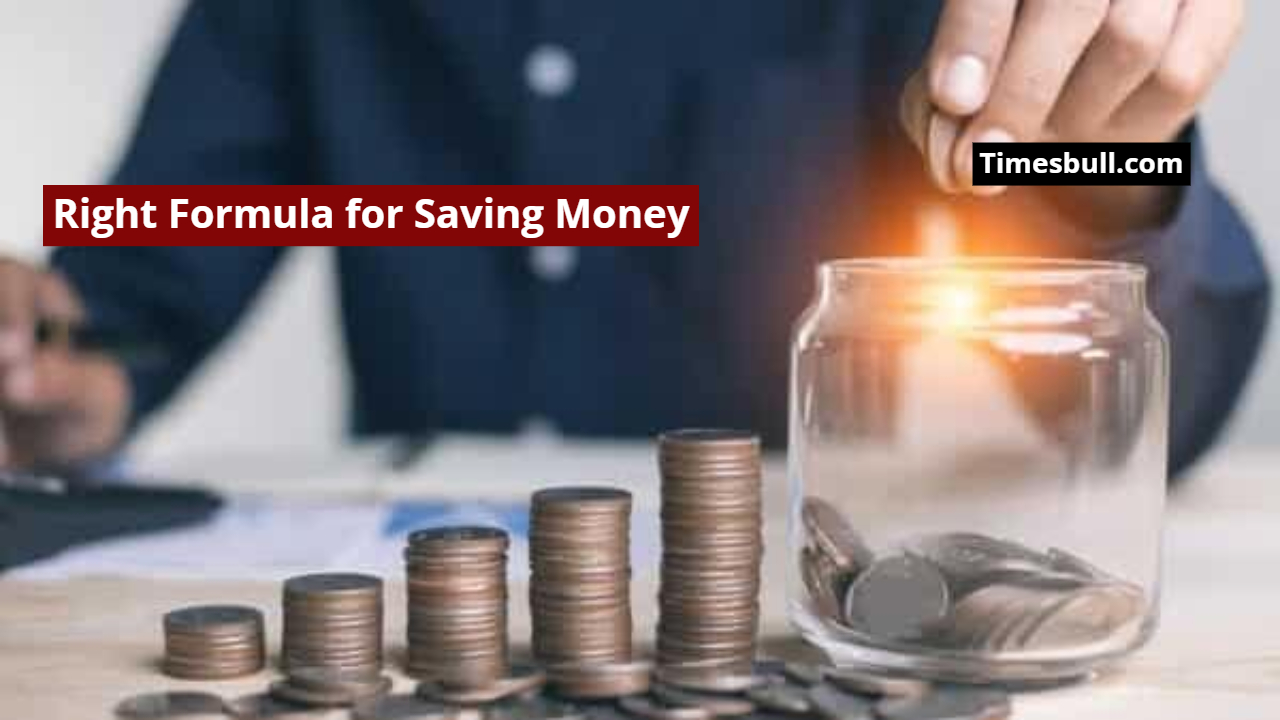
Many people today are working for good salaries, yet they feel disappointed when they look at their bank balance at the end of the month. The reason is often not low salary, but rather poor financial habits. Unplanned spending, an extravagant lifestyle, and neglecting your finances gradually deplete your savings. If managed correctly, the same income can provide you with security for both the present and the future.
Not keeping track of expenses is the biggest mistake
Most people don’t know where and how their money is being spent daily. Small expenses like online orders, cab fares, or digital subscriptions gradually add up to large sums. When you don’t keep track of every transaction, your salary is bound to run out. Understanding and controlling your expenses begins when you have a complete picture of your finances.
Understanding the difference between essential and non-essential expenses
For proper financial planning, it’s essential to understand which expenses are necessary and which can be avoided. When daily necessities, lifestyle expenses, and unnecessary purchases get mixed up, the budget goes haywire. As soon as you understand this difference, you’ll automatically start cutting back on many expenses.
The 50-30-20 rule will bring balance to your spending
If you want to create a balance between spending and saving, the 50-30-20 rule can be very effective. According to this formula, a portion of your salary is allocated for essential expenses, another portion for lifestyle and comforts, and the rest for savings or investments. It might seem challenging at first, but the results will become clear within a few months.
Develop the habit of saving first, then spending
Most people spend first and then think about saving what’s left, while the correct approach is the opposite. If a fixed amount is automatically transferred to your savings or investments as soon as you receive your salary, your spending will automatically become more controlled. Features like automatic transfers make this habit easier.
Small expenses that become big problems
Small daily expenses like eating out, frequent online shopping, or unnecessary subscriptions are the biggest drain on a monthly budget. It’s not necessary to stop them completely, but a little mindfulness and patience can save you from unnecessary spending.
Read More- Best Types of Air Purifiers for Delhi NCR Pollution
Why the right investment is crucial for the future
Simply saving money isn’t enough; investing it wisely is equally important. Small savings, if invested regularly in the right options, can grow into a substantial fund over the years. This habit not only provides financial security but also reduces future anxieties.
Latest News
- How to Replace Siri with ChatGPT on iPhone: Step-by-Step iOS Setup

- Petrol-Diesel Price Today: 24 मई को कितना बदला पेट्रोल-डीजल का भाव, चेक करें 1 लीटर की कीमत
- America Update: व्हाइट हाउस के दरवाजे पर 25 राउंड फायरिंग से मची खलबली, संदिग्ध हमलावर की मौत

- Tata Tiago Facelift Launching Soon – Aggressive Design And High-Tech Cabin Revealed

- LPG Gas Connection Transfer Made Easy, Learn the Complete Process

- New Honda City Facelift 2026 Launched – Sporty Coupe Look And ADAS Safety Revealed

- 8th Pay Commission: केंद्रीय कर्मचारियों की बढ़ेगी बंपर सैलरी! आयोग ने उठाया यह बड़ा कदम
- China: चीन के कोयला खदान में भयंकर विस्फोट, 90 लोगों की गई जान, पीएम मोदी ने भी जताया दुख

- Weather warning – Heavy Rain, thunderstorms, lightning Alerts for 13 States Over Next 3 Days

- UP TGT Exam City Slip 2026 Released – Download at upessc.up.gov.in, Exam June 3-4