
To move the national capital towards a clean, sustainable, and pollution-free transportation model, the Delhi government is preparing to introduce a new and comprehensive Electric Vehicle Policy 2.0. This policy will be an upgraded version of the existing EV policy, providing increased financial assistance to consumers and focusing on strengthening manufacturing, research, and charging infrastructure. The government believes that in the coming years, electric vehicles will not only reduce pollution but also reduce dependence on fuel imports. Before the expiration of the current EV policy, it has been extended until March 2026, or until the new policy is implemented. According to officials, after receiving public feedback, EV Policy 2.0 may be implemented in the first quarter of 2026.
New policy will put women at the centre of incentives
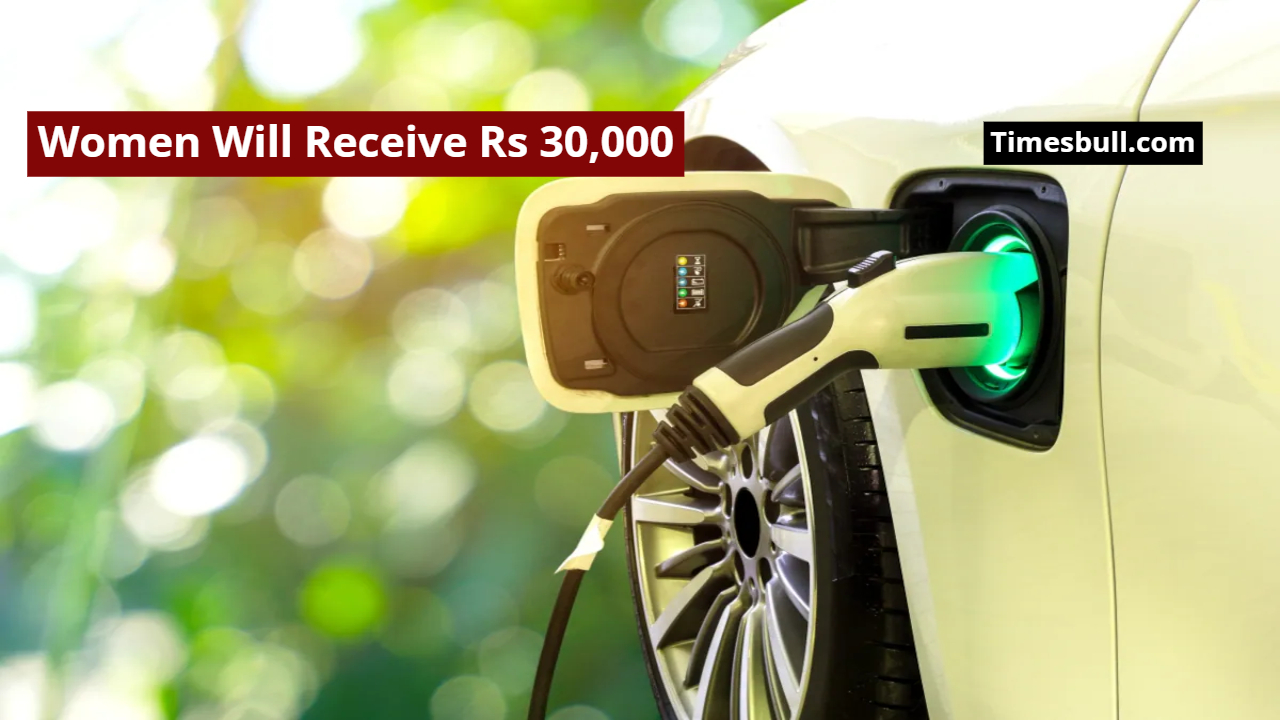
The draft Delhi EV Policy 2.0 includes a proposal to provide special incentives to women for adopting electric vehicles. The government aims to popularise safe, affordable, and environmentally friendly transportation by increasing women’s participation. According to reports, a subsidy of up to ₹30,000 is being considered for women purchasing electric two-wheelers. This benefit will be available to a limited number of vehicles to ensure effective and controlled implementation of the scheme.
Major focus on electric two-wheelers
Electric two-wheelers have been prioritised in the new policy, as they are the most widely used mode of transport on Delhi’s roads. According to the proposal, a subsidy of up to ₹21,000 per electric two-wheeler could be provided. The government also plans to increase its target. While the target was previously set at 500,000 e-two-wheelers, it is now proposed to increase it to 120,000. This will reduce the city’s dependence on petrol and is expected to improve air quality.
Plan to Convert Petrol and Diesel Vehicles to Electric
Under a new initiative, the Delhi government also wants to promote retrofitting old petrol and diesel vehicles to electric vehicles. According to the proposed policy, the first 1,000 such vehicles could receive a subsidy of up to ₹50,000. The retrofitting process involves replacing the conventional engine with an electric system. Currently, due to the high cost, the government is preparing to increase investment in research and technology development in this area. Scrapping incentives have also been proposed to eliminate old two-wheelers, three-wheelers, and light commercial vehicles that cause high pollution.
Limited but significant relief for four-wheeler electric vehicles
EV Policy 2.0 is also considering reinstating subsidies for private electric cars, but with strict conditions. Only electric cars priced under ₹2.5 lakh will be eligible. The proposed subsidy could be ₹10,000 per kilowatt-hour, with a maximum limit of ₹100,000. This facility will be available only to a limited number of cars. The government is also working on a plan to bear 5% of the interest on EV loans to reduce the financial burden on the general public.
Manufacturing and Research to Get a New Boost
Delhi EV Policy 2.0 is not limited to consumers but also aims to strengthen the supply side. Financial incentives are proposed to companies manufacturing EVs and components in and around Delhi. The research and development fund is planned to be increased from the current ₹5 crore to ₹100 crore. This fund will play a key role in the development of battery technology, charging solutions, and new electric technologies.
Some Changes May Be Made in the Final Policy
According to government officials, high-level meetings have been held on the draft policy, and further amendments are possible. However, there will be no major changes to the policy’s core direction and objectives. Overall, the Delhi EV Policy 2.0 is being considered a decisive step towards the large-scale adoption of electric mobility in the capital.