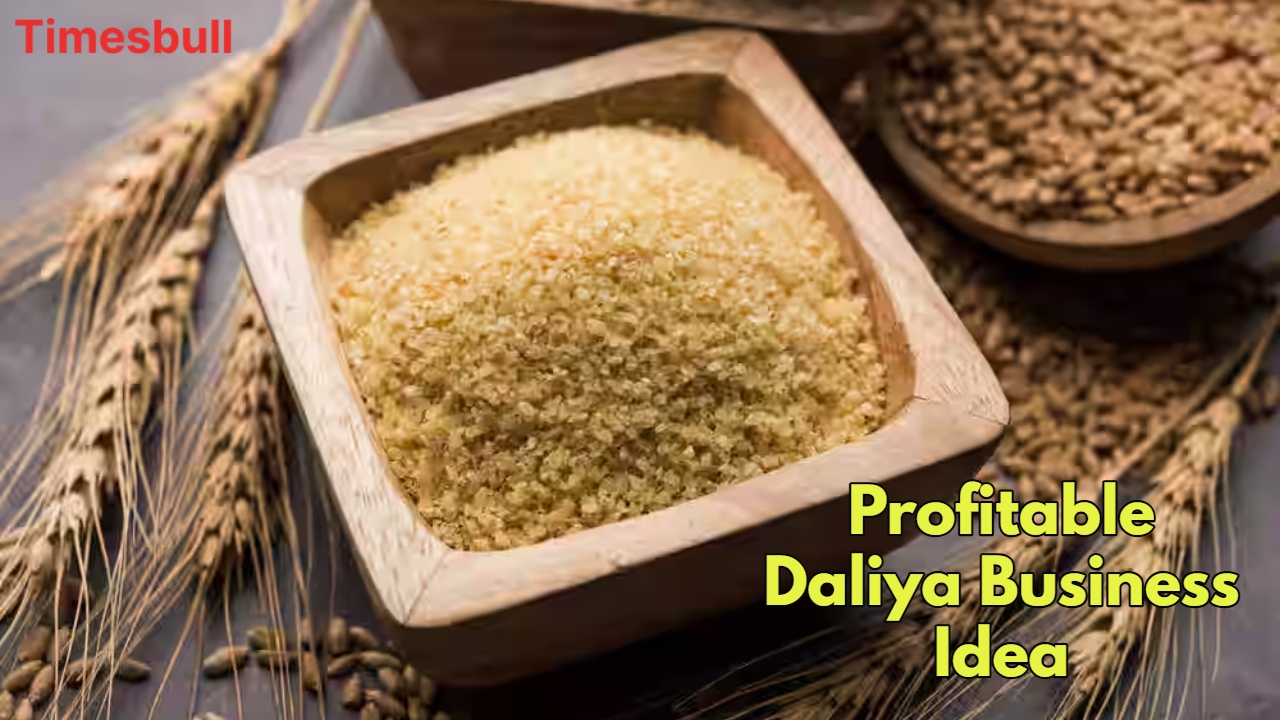
If you’re looking to start a business that’s both healthy and profitable, a Daliya manufacturing unit could be the best option for you. This nutritious wheat-based breakfast is a household favorite and incredibly easy to prepare. People enjoy it for breakfast, with mixed fruits, or with milk. This means it’s in constant demand in the market, and you can earn a stable income from a healthy product.
The biggest advantage of this business is that it can be started with minimal space and low investment, and the process is very simple. So, let’s take a closer look at the details and earning potential of starting this business.
Why is the Daliya Business the Best Choice
A Daliya manufacturing unit is a great business option for several reasons. It’s made from wheat, which provides the body with essential nutrients like protein and carbohydrates. It’s a ready-to-eat and easily digestible breakfast, perfect for modern lifestyles. With the rapid rise of healthy eating trends, there’s a steady demand for porridge in the market, ensuring business sustainability.
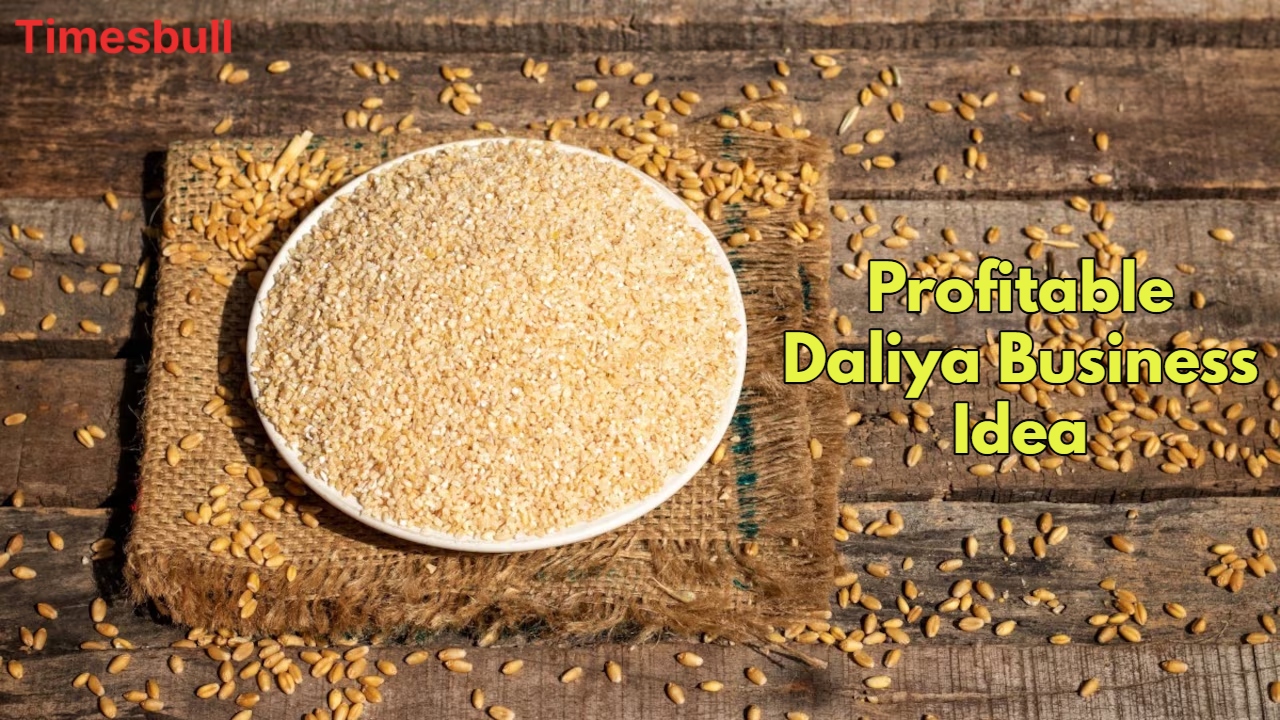
Simple Process of Making Porridge
The process of making porridge is very simple and easy to manage. The wheat is first thoroughly cleaned and washed. It is then soaked in water for 5-6 hours. After sprouting, it is dried in the sun. It is then roasted and ground in a mill. After this process, a coarse and fine porridge is ready!
Total Cost of Porridge Manufacturing Unit
The total cost of starting this excellent business is quite low, making it an excellent option for small entrepreneurs. According to Khadi and Village Industries Commission data, the total cost of this project is approximately ₹2.40 lakh.
The construction of the shed (500 square feet) costs approximately ₹1 lakh, and the machinery (such as grinders, pans, sieves, packing machines, etc.) also costs approximately ₹1 lakh, bringing the total capital expenditure to ₹2 lakh. Additionally, working capital of approximately ₹40,000 is required for raw materials and other expenses.
Profit Potential from Production and Sales
The annual production from this unit is estimated to be approximately 600 quintals of porridge. If the market rate is ₹1,200 per kilogram, the total value comes to approximately ₹7.19 lakh. The raw materials required for this production cost approximately ₹5 lakh. Additionally, labeling and packaging cost approximately ₹20,000.
The total expenditure, including salaries and wages for skilled and unskilled workers, comes to approximately ₹1.06 lakh. Profit can be calculated by taking these key production and sales costs into account. If the unit operates at 100% capacity, a net profit of approximately ₹116,000 can be earned. Even if the capacity remains at 60%, a substantial net profit of ₹64,000 can be earned.
Why invest in a porridge unit
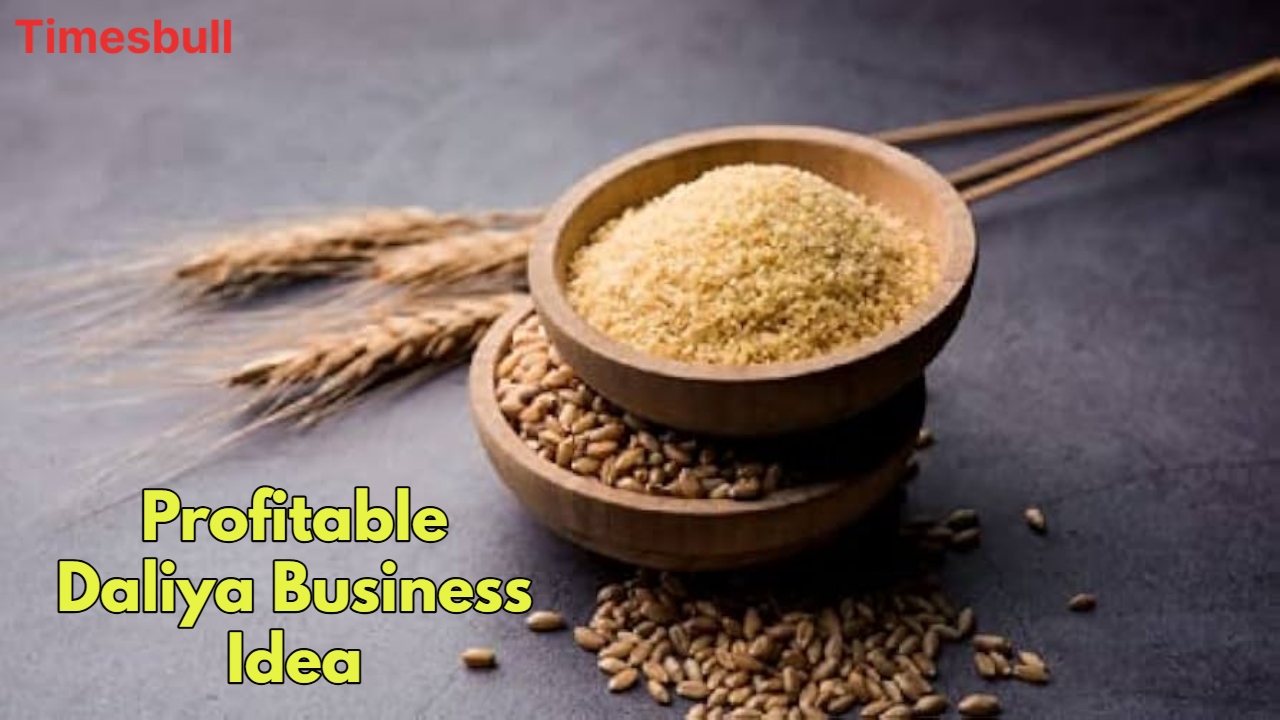
Investing in a porridge unit is a wise decision because it is a healthy product that is always in high demand in the market. The investment is low and the returns are good. It also offers the opportunity to avail easy loans and government assistance under the Village Industries Employment Scheme. It also helps generate local employment, and its operating model is extremely simple.
How to start a porridge unit
To start a porridge unit, you first need to register with the Khadi and Village Industries Commission under the scheme. Next, you’ll need to purchase machinery and raw materials, construct a shed, hire a team, and then begin production and marketing. This streamlined process will lead you to success.
Latest News
- PM Kisan Samman Nidhi Yojana: नहीं मिल रही 2000 रुपये की किस्त तो किसान तुरंत करवा लें यह काम

- Aadhaar Card Update Rules – How Many Times Can You Change Address, DOB & Number?

- Train Ticket: How to book a confirmed train ticket without an agent? Learn the Easy Steps

- Indian Railways– 155 Trains Express Declared High-Speed, Thousands of Railway Staff to Benefit

- Monsoon Alert – Warning Heavy to Very Heavy Rain alert & thunderstorms in 22 States Over Next 4 Days

- America-Iran War: मिडिल ईस्ट में तनाव होगा खत्म! ईरान ने होर्मुज रास्ते पर कही बड़ी बात

- PM Surya Ghar Yojana 2026: Get Up to Rs 78,000 Subsidy within 6 Easy Steps, Know Here

- Cheapest Available 5G Smartphones in India Under 10000

- UPSC Prelims Answer Key 2026 – How to Download UPSC Prelims Answer Key at upsc.gov.in

- 8th Pay Commission: एनपीएस और पुरानी पेंशन में कौन सी बेहतर, जानिए बड़ा अपडेट