
Currency with picture of Lord Ram is used here, know the details
Currency notes featuring the name Ram are being circulated in the Netherlands and the United States. While these notes aren't recognized as official currency, they are used within certain communities in both countries and even showcase an image of Lord Ram. In Iowa,

 Join Us
 Add as a preferred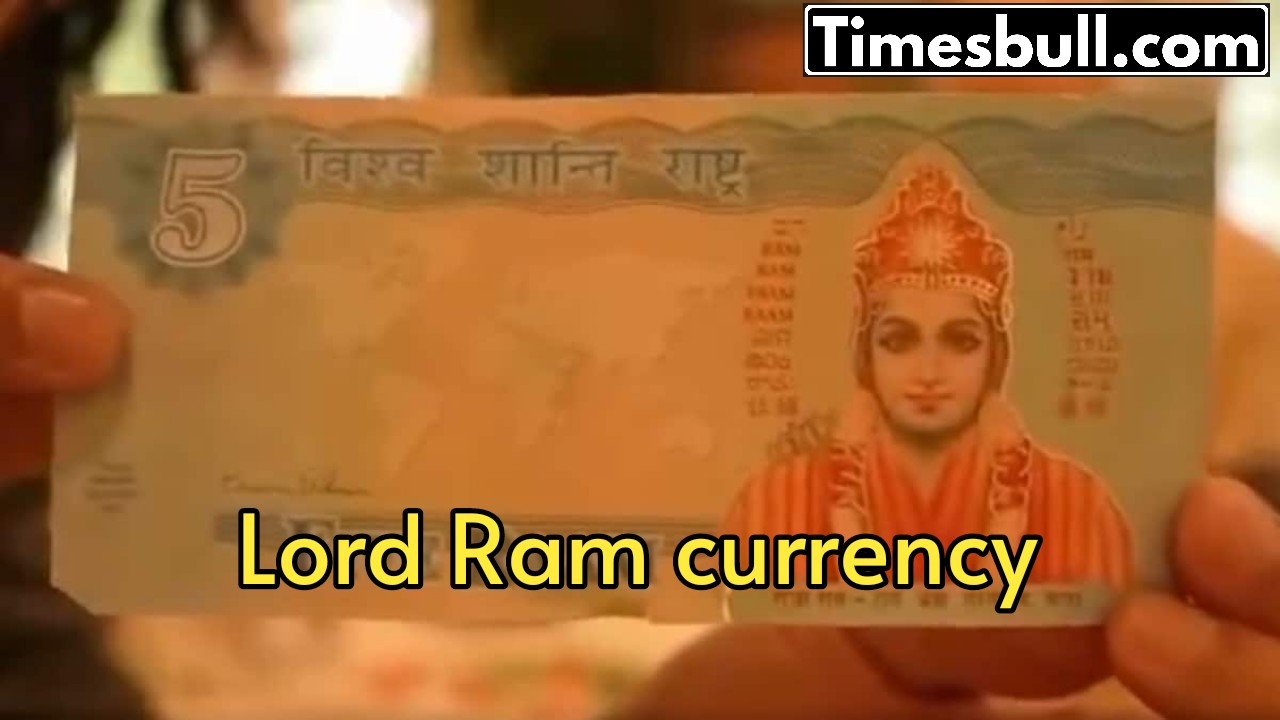
Lord Ram Currency
Currency notes featuring the name Ram are being circulated in the Netherlands and the United States. While these notes aren’t recognized as official currency, they are used within certain communities in both countries and even showcase an image of Lord Ram.
In Iowa, a community uses Ram currency, particularly among the Ioway tribe. This group believes in Maharishi Mahesh Yogi, and his followers in Maharishi Vedic City use this currency for various transactions. The notes were introduced in 2002 by an organization called “The Global Country of World Peace,” which distributed them to its supporters.
So, who is Maharishi Yogi?
Maharishi Mahesh Yogi, originally named Mahesh Prasad Verma, hailed from Chhattisgarh. After studying Physics, he became a disciple of Shankaracharya Brahmananda Saraswati and later took his teachings to an international audience. His transcendental meditation gained significant popularity worldwide.
The Beatles were fans too!
The Beatles, known for their hit “Let It Be,” took a break from their careers to visit India and spend time with Maharishi Yogi. This visit boosted his fame even more. He eventually spent his final days in a small village near Amsterdam, where his yoga, meditation, and Ayurvedic practices had gained global recognition.
No legal tender status
Ram currency transactions began on February 24, 2002. While the American City Council acknowledged this currency for the economic and cultural growth of Vedic City, it never granted it legal tender status. Nevertheless, bonds associated with Ram are recognized in 35 states across the U.S.
The price of Ram currency is set at 10 US dollars for each unit. There are three types of notes: the one-Ram note is valued at 10 dollars, the two-Ram note at 20 dollars, and the three-Ram note also at 20 dollars. Members of the ashram use these notes among themselves, but when they leave, they convert them to dollars based on their value.
In the Netherlands, Ram currency is officially recognized, allowing people to exchange a Ram note for 10 euros. A report from the BBC mentioned that the Dutch Central Bank has about 100,000 Ram currency notes in circulation. People can visit the bank to trade their Ram currency for euros.
Pankaj Jain, a professor of Indian descent at the University of Texas, commented on Ram Mudra, noting that Vedic City initiated this currency to promote Vedic values along with traditional farming and health practices. Additionally, there was a lively discussion on social media last year about why foreign currencies feature various figures while Indian currency predominantly shows Gandhi. Many expressed interest in introducing Ram Mudra in India.

Sweta Mitra
Next Article
Best Samsung Phones in India from Samsung Galaxy A37 5G to Samsung Galaxy S25 FE
Best Samsung Phones: Which Samsung phone provides the best performance among devices that cost less than ₹50000 in India? The best Samsung smartphones of 2026 include two main features which are AMOLED displays and AI capabilities and extended battery life and high-performance cameras.

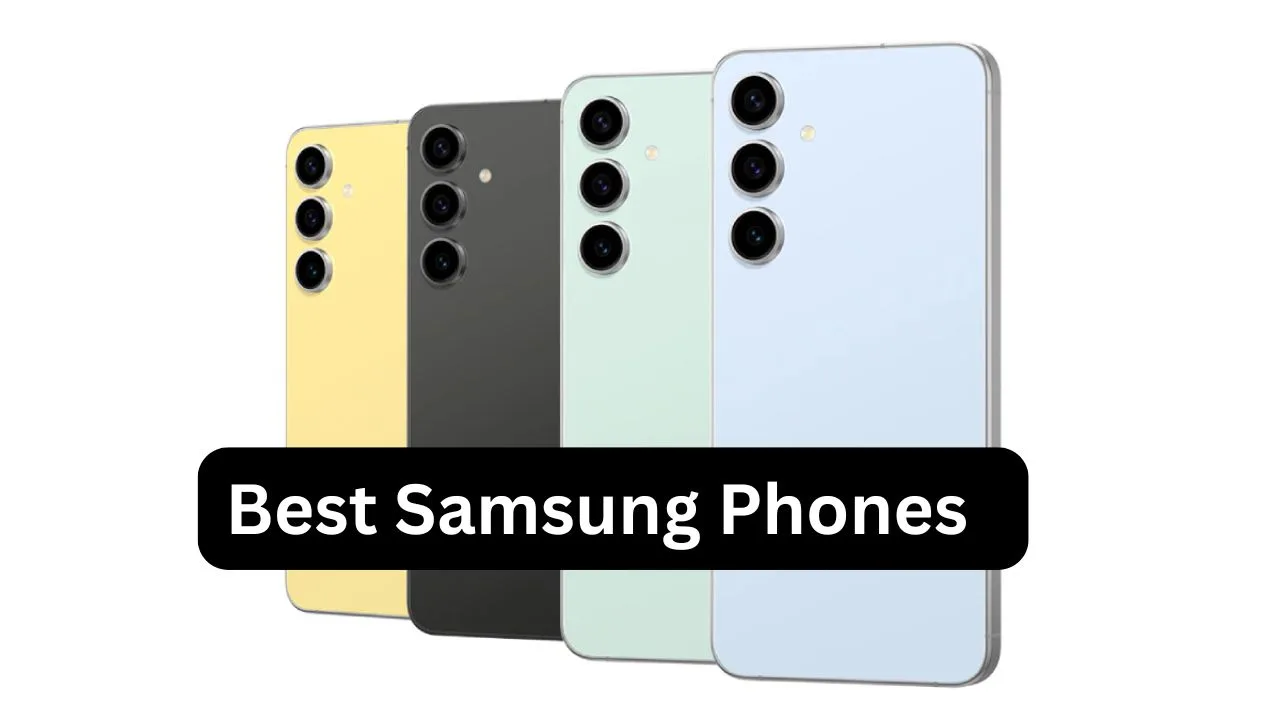
Samsung maintains its leadership position in India through its high-end mid-range smartphones which deliver flagship specifications at prices below ₹50,000. The Samsung phones provide Indians in 2026 three important benefits through their AMOLED displays and AI functions and extended software updates and dependable cameras.
Samsung Galaxy S25 FE
The Samsung Galaxy S25 FE is currently one of the best Samsung phones available under ₹50,000 during sale events and exchange offers. The official price begins at a higher point yet Amazon and Flipkart offer discounts which bring the price range to between ₹47,000 and ₹49,000.
Write a Comment