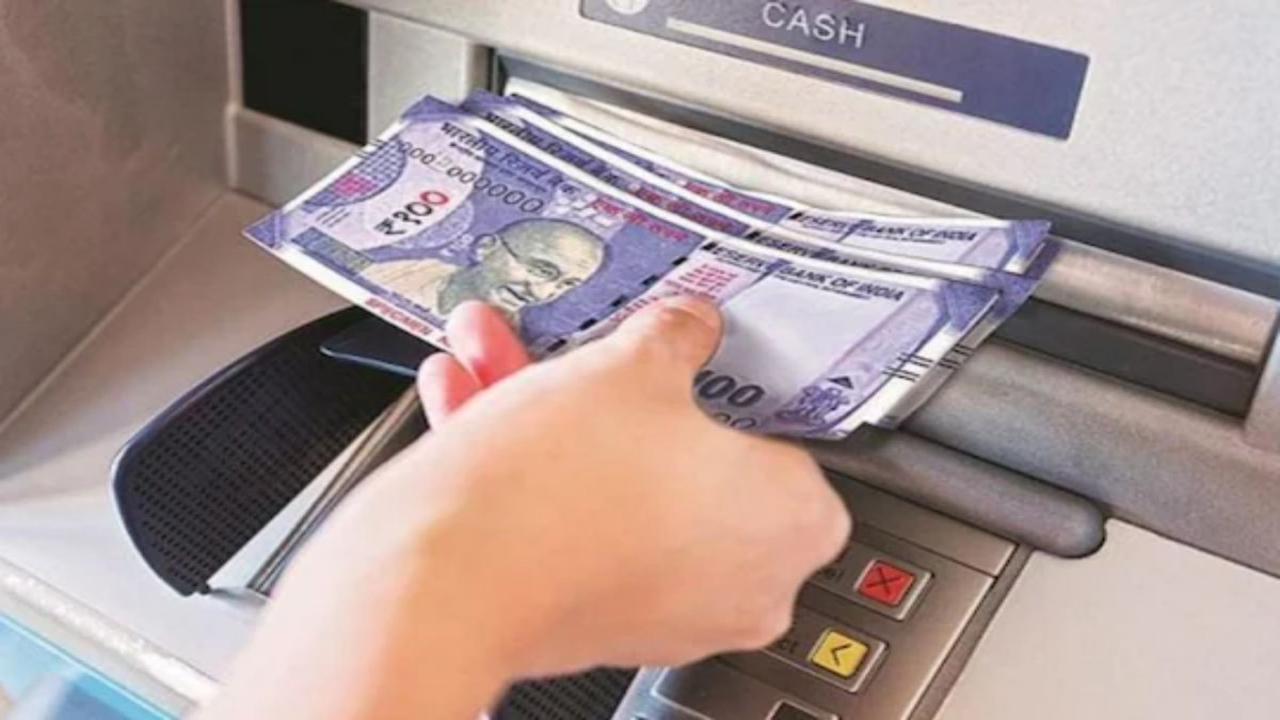
Cash Withdrawal Rules: In the era of digital payments and online banking, the Income Tax Department has tightened its restrictions on cash transactions. Many people are unaware that withdrawing or accepting cash beyond a certain limit is not only a violation of the rules but can also result in a hefty fine. Therefore, it’s important to understand the legal limit for cash withdrawals and transactions per day under the Income Tax Act.
What does Section 269ST say?
According to Section 269ST of the Income Tax Act, no person can accept cash of Rs 2 lakh or more from one or more persons in a single day. This rule applies to both personal and business transactions. For example, if you sell a car to someone and take Rs 2.5 lakh in cash, it is against the law. This rule aims to make every large transaction transparent through the banking system.
Heavy penalties for breaking the rules
If someone accepts cash exceeding Rs 2 lakh, the Income Tax Department can impose a penalty equal to the amount accepted. This penalty is imposed under Section 271DA of the Income Tax Act. For example, if someone sells property and accepts cash worth Rs 5 lakh, the department can impose a penalty of up to Rs 5 lakh. Violators of this rule may also receive a tax notice.
The government’s objective is to increase transparency in the economy and curb black money. The cash limit of over Rs 2 lakh was set to ensure that all major transactions are conducted through banks or digital channels. The Income Tax Department now monitors cash movements using an AI (artificial intelligence)-based system. An alert can be issued if cash exceeding Rs 10 lakh is deposited or withdrawn from a savings account or Rs 50 lakh from a current account in a year. Even small cash transactions may be considered suspicious and subject to scrutiny.
Latest News
- Apple MacBook Neo Deal Alert: Get It For Under ₹58,000 on Amazon Right Now

- Pakistan Attack: आत्मघाती हमले से दहला पाकिस्तान, 23 लोगों की मौत, 50 से ज्यादा घायल, जानें

- Honor Magic 9 Series Leaks: Flagship Upgrades with Massive 8,000mAh Battery and 200MP Cameras

- Motorola Edge 60 Fusion Review: Mid-Range King or Outdated?

- FD Update– Breaking Your FD Early? Know the consequences
- Bank Holiday–RBI Announces Closure of SBI, HDFC and All Banks Next Week, Save the Dates

- Samsung Galaxy S26 Ultra Amazon Deal – Get ₹23,509+ Discount with Bank Offers and Exchange Benefits

- Best Scooters For College Girls 2026 – Perfect Mix Of Mileage, Style And Lightweight Design
- Kodak Matrix QLED Google TV 2026 Series Launched in India Just Under 10,999

- Senior Citizen FD Rates: सीनियर सिटीजन को यहां से मिल रहा बंपर ब्याज, जल्द करें निवेश