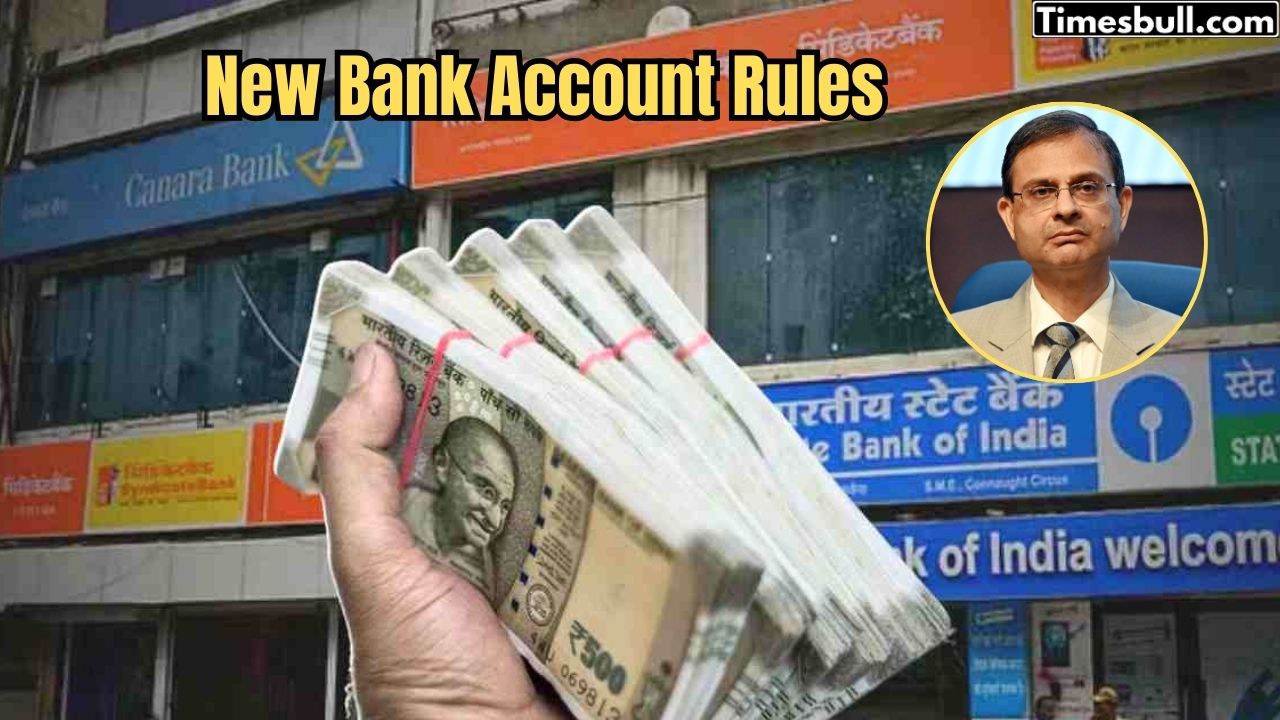
Many people believe that keeping money in the bank means their money is completely safe. Especially when it is kept in a savings account, there is usually no reason to worry. This has been a common belief for a long time. But did you know that if you keep too much money in your savings account, it can become risky? Yes, in some cases, you may even have to pay up to 60% in tax.
Is Saving Money Risky?
No, saving money is not risky. But problems can arise if your total savings do not match your declared income. In such cases, the Income Tax Department may become suspicious. Today, the government is closely monitoring digital transactions, and the Reserve Bank of India (RBI) has set clear rules about this.
What Do RBI Rules Say?
According to RBI’s new rules, if you deposit more than ₹10 lakh in cash into your savings account in one financial year, it will come under the radar of the Income Tax Department. If you cannot explain where the money came from, you may be taxed up to 60%. Banks are also required to report such large transactions to the tax department.
What If You Deposit More Than ₹10 Lakh?
If the bank finds that you’ve deposited over ₹10 lakh in cash, it will inform the Income Tax Department. You may receive a notice and will have to explain the source of the money. If you fail to provide valid documents, your money can be seized, and heavy taxes and penalties, up to 60%, can be applied.
PAN Card Is a Must for Big Transactions
Your PAN card is essential for large banking transactions. If you deposit more than ₹50,000 in cash at one time, you must provide your PAN. This rule helps prevent illegal cash, tax evasion, and money laundering.
Be Careful When Buying Expensive Items
If you purchase costly items like smartphones, laptops, or cameras, keep the bills and receipts safe. If your spending doesn’t match your income, the Income Tax Department might ask for proof.
Follow the Rules While Saving
While keeping money in a savings account is generally safe, not following the rules can lead to trouble. Always make sure your income and deposits are in line. Save wisely, but follow the rules to avoid future problems.
Latest News
- US Green Card Rule Change, Know Before Apply

- PM Surya Ghar Scheme: खूब चलाएं एसी और कूलर, नहीं देना होगा बिल, जल्द कराएं यह काम

- ITR Filing Before May 31? You May Get Notice
- Women Free Bus Travel Scheme – How to Get Free Bus Travel From June 1, 2026? How to Apply

- LSG Vs PBKS Video: ऋषभ पंत पर भड़के अर्जुन तेंदुलकर! वीडियो देखकर आप भी रह जाएंगे हैरान

- Apple MacBook Neo Deal Alert: Get It For Under ₹58,000 on Amazon Right Now

- Pakistan Attack: आत्मघाती हमले से दहला पाकिस्तान, 23 लोगों की मौत, 50 से ज्यादा घायल, जानें

- Honor Magic 9 Series Leaks: Flagship Upgrades with Massive 8,000mAh Battery and 200MP Cameras

- Motorola Edge 60 Fusion Review: Mid-Range King or Outdated?

- FD Update– Breaking Your FD Early? Know the consequences