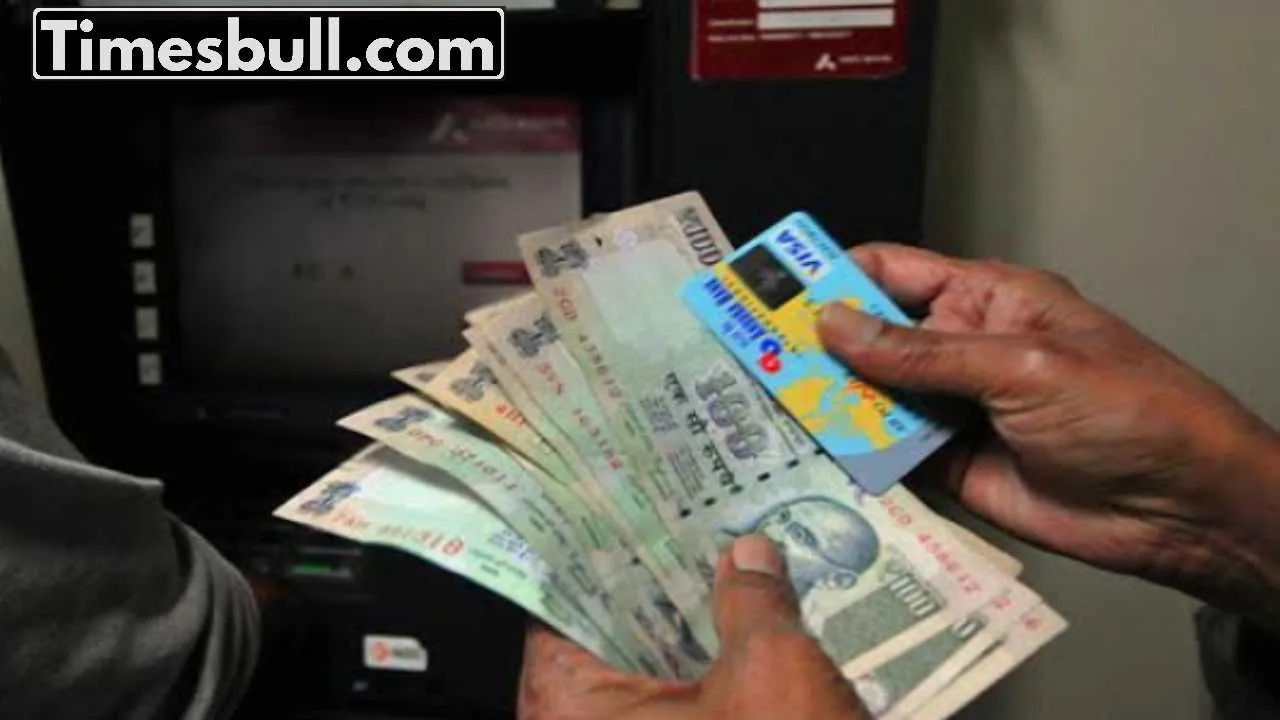
ATM Money Withdrawal: There is no fee for cash withdrawals from ATMs up to a specified limit. However, once this limit is exceeded, a fee will be deducted from your account. As reported by PTI, this fee is set to increase. Effective May 1, 2025, the charge for cash withdrawals will rise by Rs 2, making ATM transactions more costly.
Decision to raise the fee was influenced by the operational costs associated with ATMs
Media sources indicate that this decision to raise the fee was influenced by the operational costs associated with ATMs.
Fee will increase to Rs 23 per transaction
Currently, individuals incur a fee of Rs 21 per transaction for withdrawals that exceed the limit, but starting May 1, this fee will increase to Rs 23 per transaction. This adjustment has been implemented collaboratively by the Reserve Bank of India (RBI) and the National Payments Corporation of India (NPCI). Under this new regulation, the fee for ATM cash withdrawals will rise from May 1, 2025. While individuals can withdraw cash from ATMs without charge up to a certain limit, an interchange fee applies once that limit is surpassed.
This fee is typically applied when a customer exceeds a predetermined limit of free transactions
The interchange fee is defined as the amount of money that one financial institution pays to another when customers utilize Automated Teller Machine (ATM) services. This fee is typically applied when a customer exceeds a predetermined limit of free transactions. At present, most banks charge approximately Rs 21 for each transaction conducted at an ATM beyond this limit. According to the guidelines set forth by the Reserve Bank of India (RBI), customers are allowed to withdraw cash without incurring any fees, but only up to a specific threshold. In prominent metropolitan areas such as Mumbai, Kolkata, Chennai, Hyderabad, and Bangalore, individuals are permitted to perform up to three transactions each month without facing any charges.
Latest News
- America Update: व्हाइट हाउस के दरवाजे पर 25 राउंड फायरिंग से मची खलबली, संदिग्ध हमलावर की मौत

- Tata Tiago Facelift Launching Soon – Aggressive Design And High-Tech Cabin Revealed

- LPG Gas Connection Transfer Made Easy, Learn the Complete Process

- New Honda City Facelift 2026 Launched – Sporty Coupe Look And ADAS Safety Revealed

- 8th Pay Commission: केंद्रीय कर्मचारियों की बढ़ेगी बंपर सैलरी! आयोग ने उठाया यह बड़ा कदम

- China: चीन के कोयला खदान में भयंकर विस्फोट, 90 लोगों की गई जान, पीएम मोदी ने भी जताया दुख

- Weather warning – Heavy Rain, thunderstorms, lightning Alerts for 13 States Over Next 3 Days
- UP TGT Exam City Slip 2026 Released – Download at upessc.up.gov.in, Exam June 3-4
- ATM Alert: एटीएम में फंस जाए डेबिट कार्ड तो घबराएं नहीं, फटाफट यह काम करने से होगा समाधान
- Post Office Scheme – 7.5% Interest Rate, ₹5 Lakh Becomes ₹7,24,974 in 5 Years, Start with Just ₹1,000