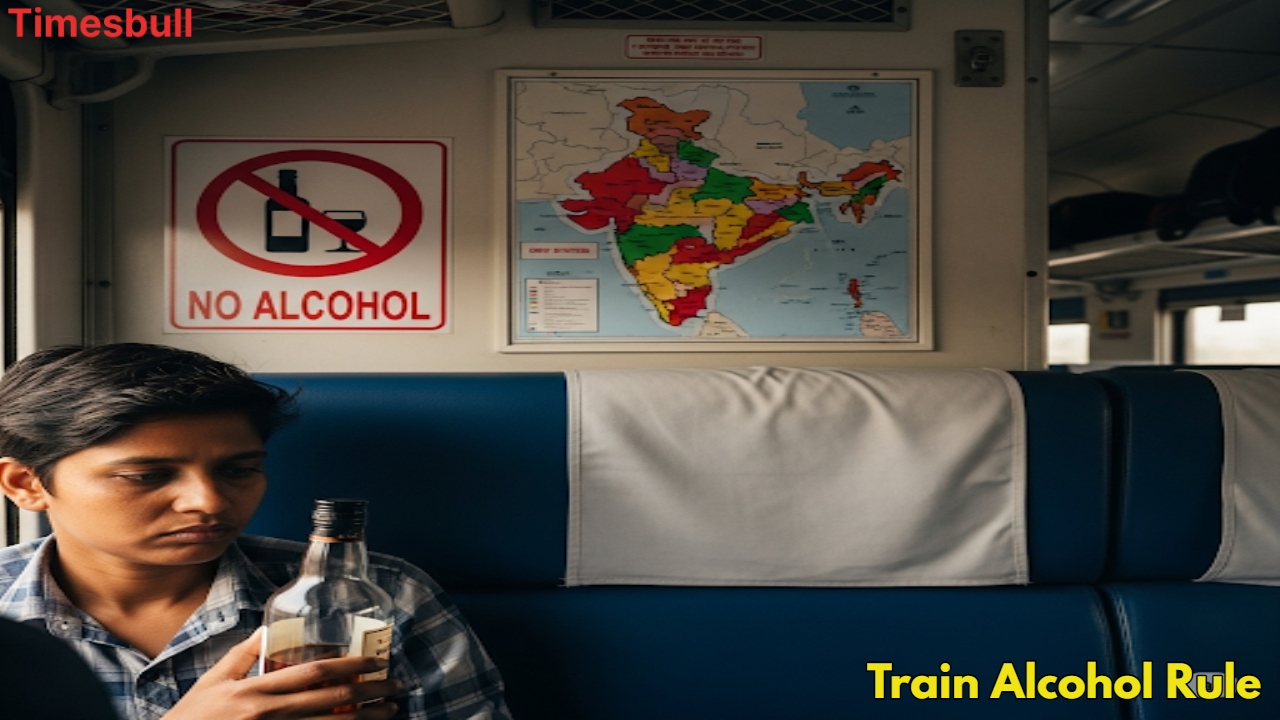
Every day, crores of people travel in trains and also carry various kinds of goods with them. Indian Railways has made some rules related to passengers and goods, which are mandatory for everyone to follow. But, often a question arises in the minds of passengers: Is it legal to carry bottled alcohol in the train? The answer to this question is not as straightforward as it seems. The rules of the railways are not very clear about this, but the laws made by the state governments regarding alcohol (State Excise Laws) decide whether you can carry alcohol in the train or not.
State laws determine the right to carry alcohol
Carrying alcohol in the train depends on which state the train is running from and which state you have to go to. Every state of India has its own Excise Law, which regulates the sale, consumption, and transportation of alcohol.
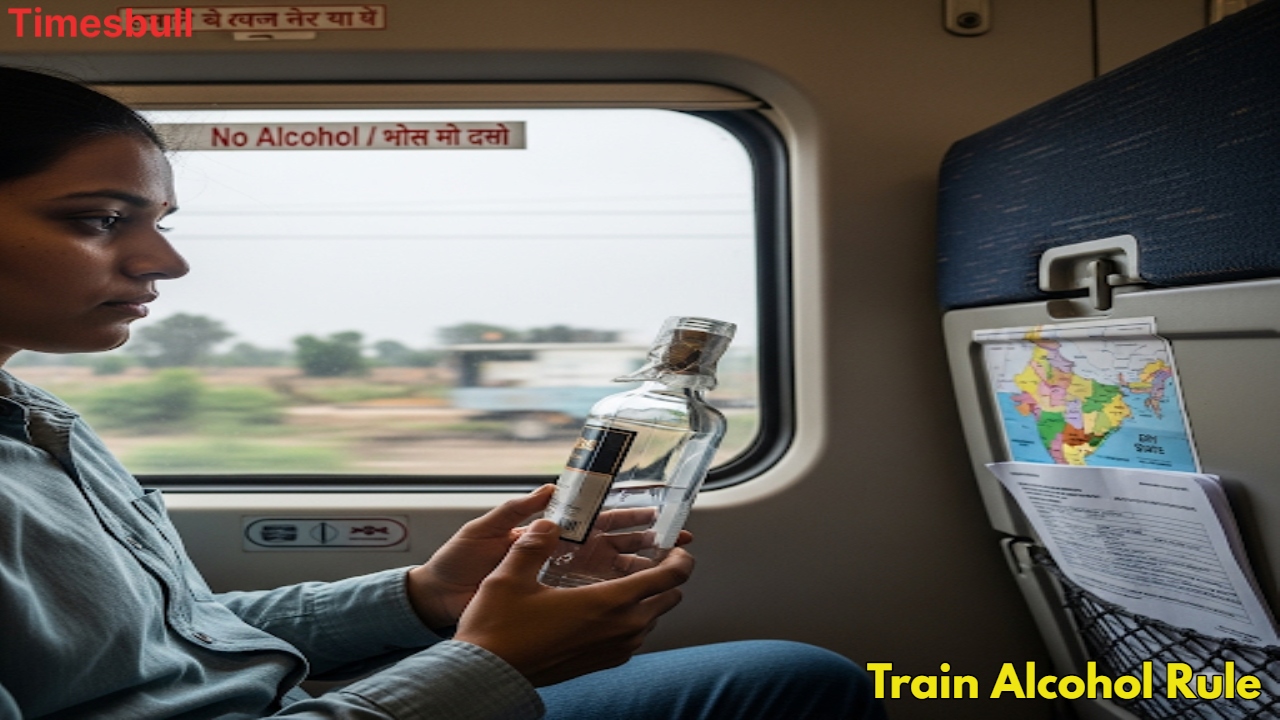
If you are traveling from a state where alcohol is legally available, and the destination state also does not have an alcohol ban, then carrying a limited amount of bottled alcohol is generally not considered illegal. However, some conditions may apply to this, such as you must have a license to purchase alcohol or proof of purchase (bill/invoice).
Do not take alcohol in a dry state
The most important thing is that if you are going to a ‘dry state’, such as Bihar, Gujarat, Nagaland, or Mizoram, where alcohol is completely banned, do not take alcohol in the train, even by mistake. Carrying alcohol on a train is illegal in these states. If caught, you can be fined and jailed. Even if the alcohol is sealed, it becomes illegal as soon as it enters these states. Therefore, if you have to carry alcohol on the train, first of all, see where your journey is starting and ending. It is very important to know the liquor laws of the destination state.
How much alcohol can be carried
If your journey is between states where there is no ban on alcohol, then in general, you can carry a limited amount of alcohol. You can usually carry 1 or 2 bottles, the quantity of which should not exceed 750 milliliters (ML). It is also important that the bottles are well sealed and not opened. Along with this, it is mandatory to keep the invoice or bill for purchasing the alcohol with you. This is a valid proof of purchase.
Punishment for breaking the rules
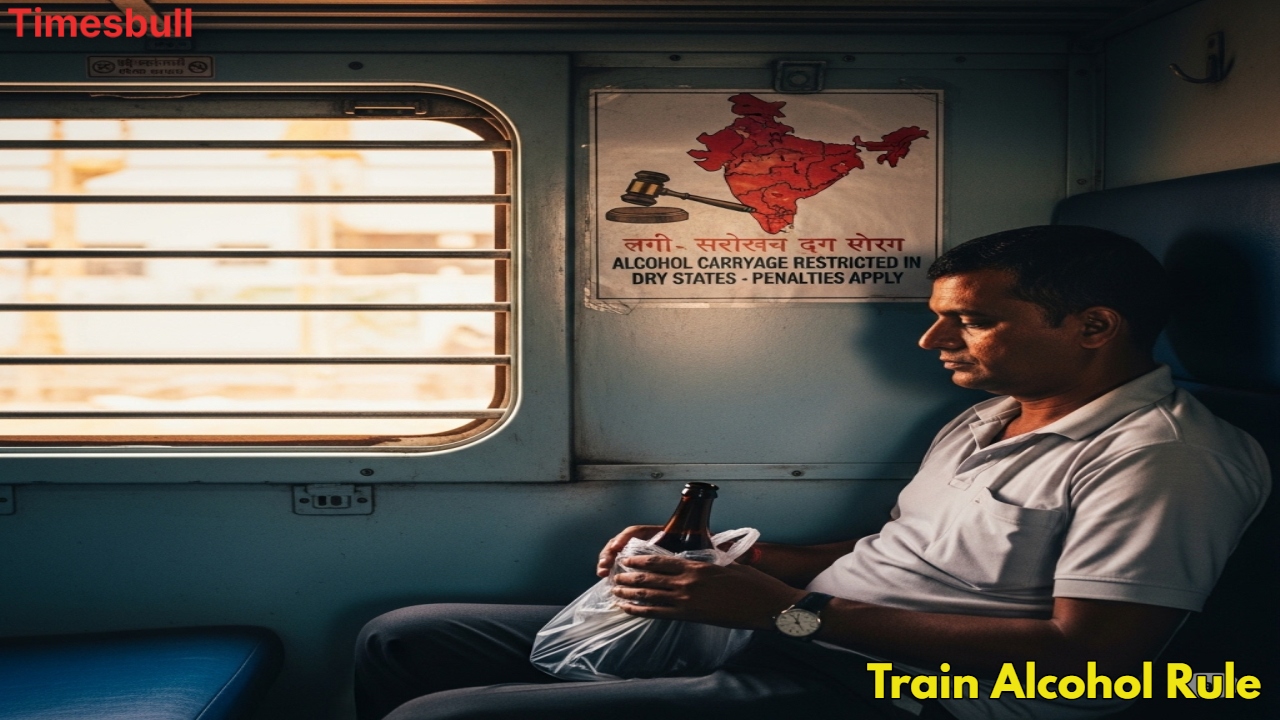
If you are caught traveling with more than the prescribed limit of alcohol, or caught with alcohol in a ‘dry state’, it can have serious consequences. Under normal circumstances (where alcohol is not prohibited but the quantity is excessive), the fine can range from ₹5,000 to ₹25,000.
If you are caught with alcohol in a ‘dry state’, there is a provision of jail along with a fine. The duration of imprisonment will depend on the excise law of that state.
Latest News
- Apple MacBook Neo Deal Alert: Get It For Under ₹58,000 on Amazon Right Now

- Pakistan Attack: आत्मघाती हमले से दहला पाकिस्तान, 23 लोगों की मौत, 50 से ज्यादा घायल, जानें

- Honor Magic 9 Series Leaks: Flagship Upgrades with Massive 8,000mAh Battery and 200MP Cameras

- Motorola Edge 60 Fusion Review: Mid-Range King or Outdated?

- FD Update– Breaking Your FD Early? Know the consequences
- Bank Holiday–RBI Announces Closure of SBI, HDFC and All Banks Next Week, Save the Dates

- Samsung Galaxy S26 Ultra Amazon Deal – Get ₹23,509+ Discount with Bank Offers and Exchange Benefits

- Best Scooters For College Girls 2026 – Perfect Mix Of Mileage, Style And Lightweight Design
- Kodak Matrix QLED Google TV 2026 Series Launched in India Just Under 10,999

- Senior Citizen FD Rates: सीनियर सिटीजन को यहां से मिल रहा बंपर ब्याज, जल्द करें निवेश