

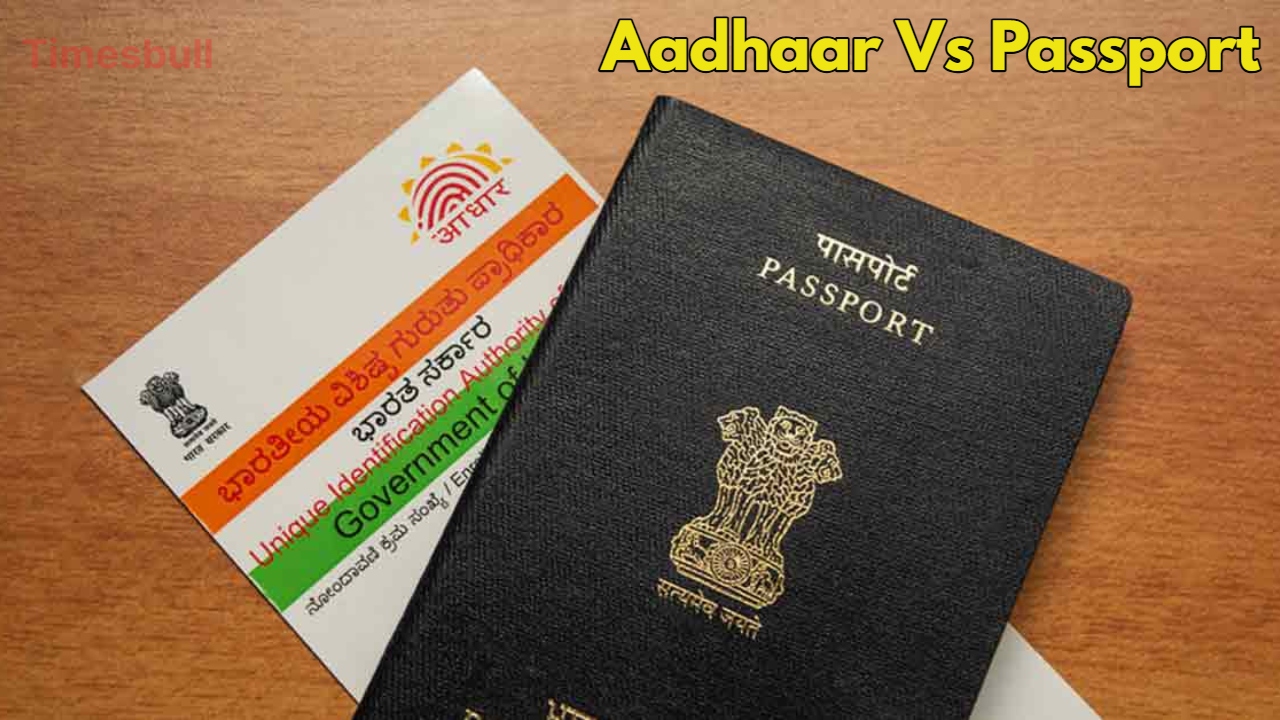
Aadhaar card vs Passport: Aadhaar cards are in everyone’s pocket in India today, but did you know that what you consider your biggest identity proof isn’t enough to prove your citizenship? People often make the mistake of equating Aadhaar cards with passports. By the beginning of January 2026, more than 1.43 billion Aadhaar cards had been issued in India, while the number of passport holders was only around 140 million.
This huge difference reveals a stark difference in the power and purpose of these two documents. If you also consider Aadhaar cards to be equivalent to passports, this article will open your eyes. Here, we will explain in detail why even a foreigner can obtain an Aadhaar card but not a passport, and why a special disclaimer is written on your Aadhaar card.
Aadhaar Card
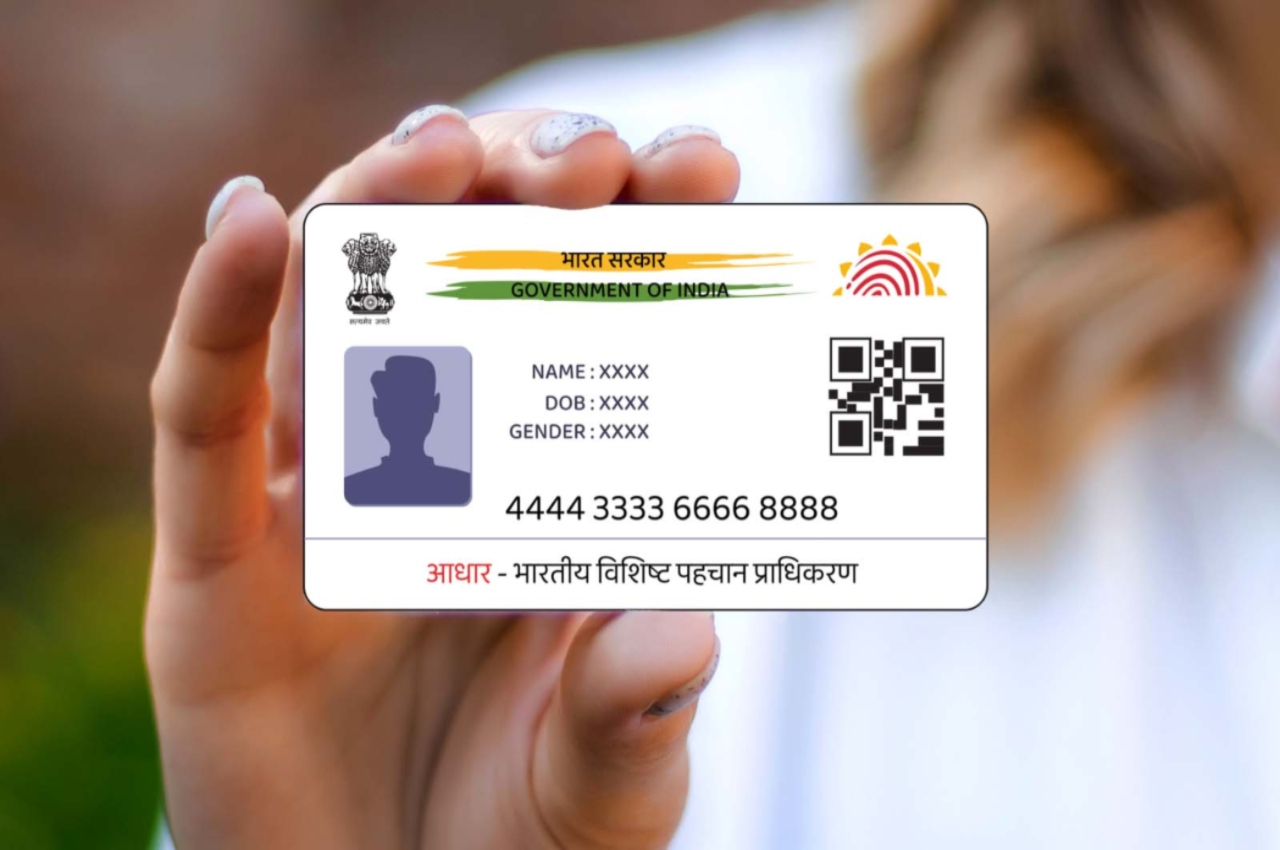
Aadhaar Card is a 12-digit unique identification number issued by the UIDAI. Its primary goal is to facilitate access to government subsidies, banking facilities, and digital verification. Most importantly, the Aadhaar card clearly states with a disclaimer that it “is not proof of citizenship or date of birth.” Legally, Aadhaar is only a “proof of residence.” It confirms that the person is residing in India, but it does not guarantee that the person is a valid citizen of India.
Passport
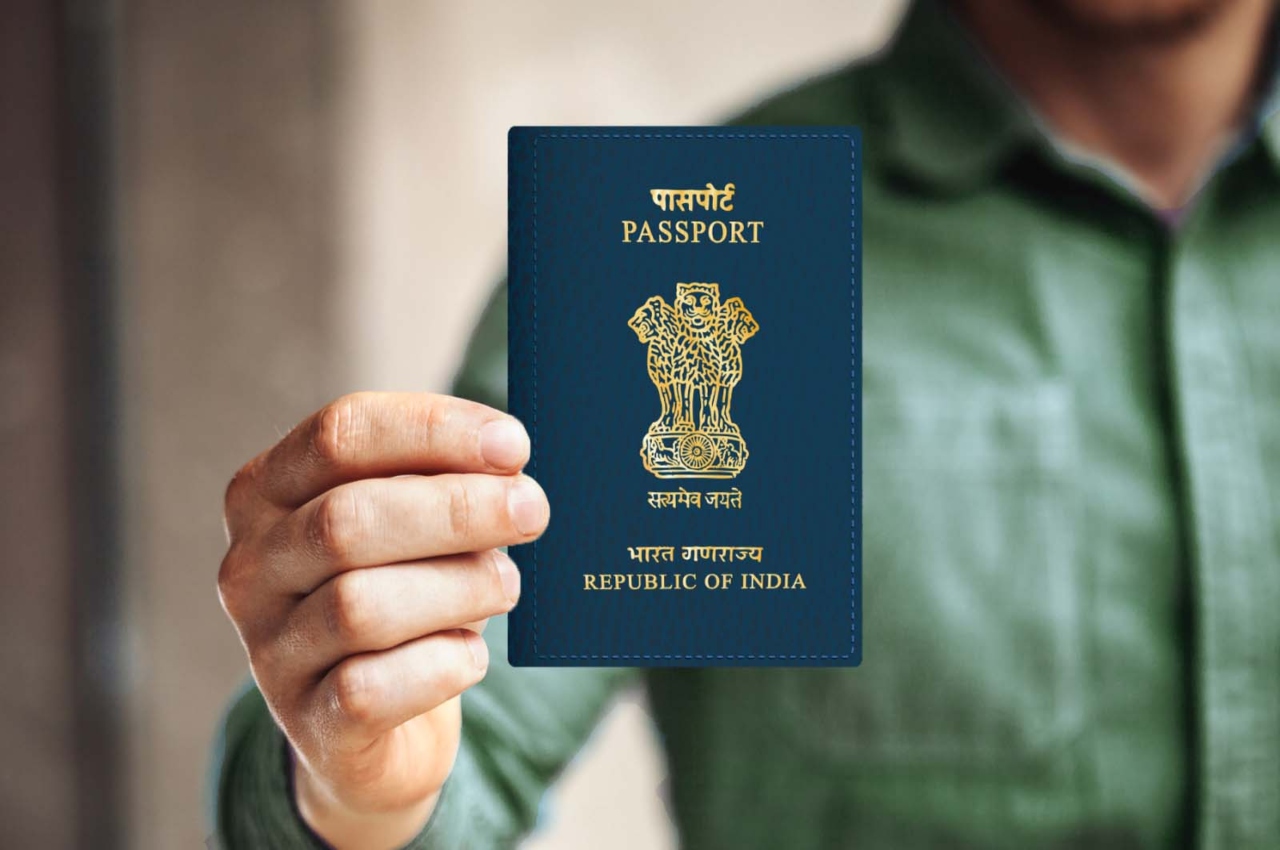
A passport is not just a photo ID card; it is an official document issued by the Government of India that authenticates your identity internationally. The passport is issued by the President of India, making it a sovereign document.
The entire process of filing and issuing a passport relies on the fact that the holder is an Indian citizen. Therefore, there is no note or warning on the passport stating that it is not proof of citizenship. Possession of a passport is the ultimate and final legal proof of your citizenship.
Foreigners can also obtain Aadhaar
This is the biggest and most surprising difference between these two documents. According to the Aadhaar Act, any foreign national who has resided in India for the past 182 days is eligible to apply for an Aadhaar card. This means that foreign nationals who have come to India to work or live may have Aadhaar, but they will not be considered Indian citizens.
In contrast, the powers of an Indian passport are very limited and specific. It can only be issued to Indian citizens. Issuing a passport to a non-citizen is virtually impossible, except in rare situations where the central government takes an extraordinary decision in the public interest.
The Criticality of Verification
The Aadhaar application process is quite simple and digital. Anyone who has passed the 10th grade and has basic computer knowledge can become an enrollment agent and obtain their Aadhaar data. There is no police verification for Aadhaar; the card is issued based solely on your biometrics and basic information.
But obtaining a passport is a very rigorous process. Police verification is mandatory. The police visit your home, question your neighbours, and thoroughly investigate your address and records. This strict verification minimizes the possibility of identity fraud in passports. This is why the legal status of a passport is far superior to that of Aadhaar.
Issuer’s Responsibility
The Aadhaar card is issued by the UIDAI and can be downloaded digitally (e-Aadhaar) anywhere. Multiple copies can be made. On the other hand, a passport is issued with the digital signature of a Regional Passport Officer, an IAS or IFS officer considered a representative of the Government of India. A passport is a physical booklet with highly advanced security features and strict legal action rules in case of its loss or theft.