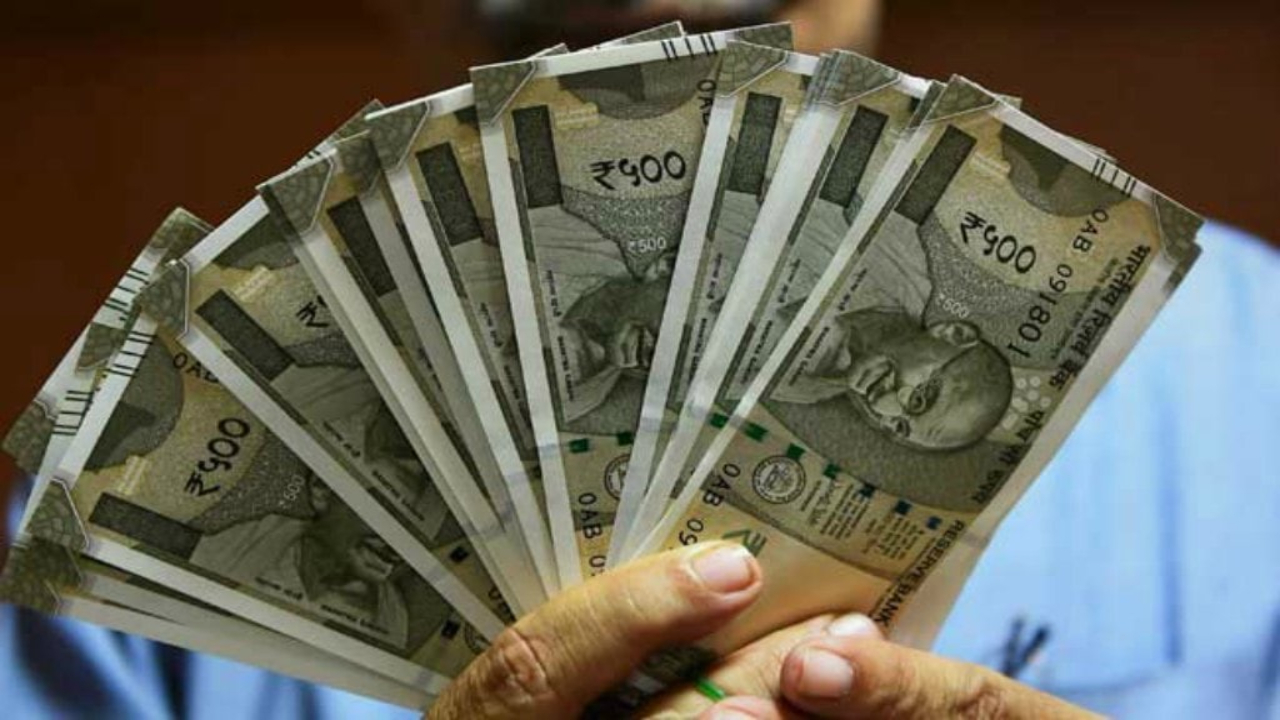
8th Pay Commission : The tenure of the 7th Pay Commission ends on December 31, 2025, and the tenure of the 8th Pay Commission is considered to begin from January 1, 2026. However, the central government has not yet clarified when the recommendations of the 8th Pay Commission will be implemented and from which date the arrears will be calculated.
Looking at the past pattern, usually the new Pay Commission is considered effective as soon as the old one ends. The Finance Ministry has given 18 months to the 8th Pay Commission to submit its report in November 2025, after which it may take about 6 more months to implement it. In such a situation, the question arises as to how much loss will the employees and pensioners suffer due to the delay.
DA is added to the basic pay to form the fitment factor
Often employees feel that if there is a delay, they will get arrears of all allowances, but the reality is a little different. Central employees mainly get arrears of basic pay in the new pay commission. Allowances like transport allowance, uniform allowance and child education allowance are of fixed amount, hence arrears are not given on these. Similarly, dearness allowance i.e. DA is also not included in the arrears, because after the implementation of the new pay commission, DA is added to the basic pay and a fitment factor is made. DA automatically increases as soon as the basic pay increases, hence separate arrears of DA are not given.
Employees are worried about HRA
The biggest loss is related to House Rent Allowance i.e. HRA. According to Manjeet Singh Patel, National President of All India NPS Employees Federation, HRA arrears are not given in the new Pay Commission. If the 8th Pay Commission is implemented late, then the employees may suffer a loss of not thousands but lakhs of rupees. For example, if the current basic salary of an employee is Rs 76,500 and the 8th Pay Commission is implemented from January 1, 2028, then he may lose around Rs 3.80 lakh only in the form of HRA, which is for a period of two years.
What is the detail?
Currently, under the 7th Pay Commission, HRA depends on the city category. Category X cities receive 24% HRA, Y 16%, and Z 8%. The government has also set a minimum HRA limit. As DA increases, HRA rates also increase. DA is currently at 58%, resulting in HRA reaching 30% in X cities, 20% in Y, and 10% in Z. If the 8th Pay Commission is delayed, the HRA based on the increased basic salary will not be paid on time, potentially resulting in significant financial losses for employees.
Latest News
- PM Kisan Samman Nidhi Yojana: नहीं मिल रही 2000 रुपये की किस्त तो किसान तुरंत करवा लें यह काम

- Aadhaar Card Update Rules – How Many Times Can You Change Address, DOB & Number?

- Train Ticket: How to book a confirmed train ticket without an agent? Learn the Easy Steps

- Indian Railways– 155 Trains Express Declared High-Speed, Thousands of Railway Staff to Benefit

- Monsoon Alert – Warning Heavy to Very Heavy Rain alert & thunderstorms in 22 States Over Next 4 Days

- America-Iran War: मिडिल ईस्ट में तनाव होगा खत्म! ईरान ने होर्मुज रास्ते पर कही बड़ी बात

- PM Surya Ghar Yojana 2026: Get Up to Rs 78,000 Subsidy within 6 Easy Steps, Know Here

- Cheapest Available 5G Smartphones in India Under 10000

- UPSC Prelims Answer Key 2026 – How to Download UPSC Prelims Answer Key at upsc.gov.in

- 8th Pay Commission: एनपीएस और पुरानी पेंशन में कौन सी बेहतर, जानिए बड़ा अपडेट