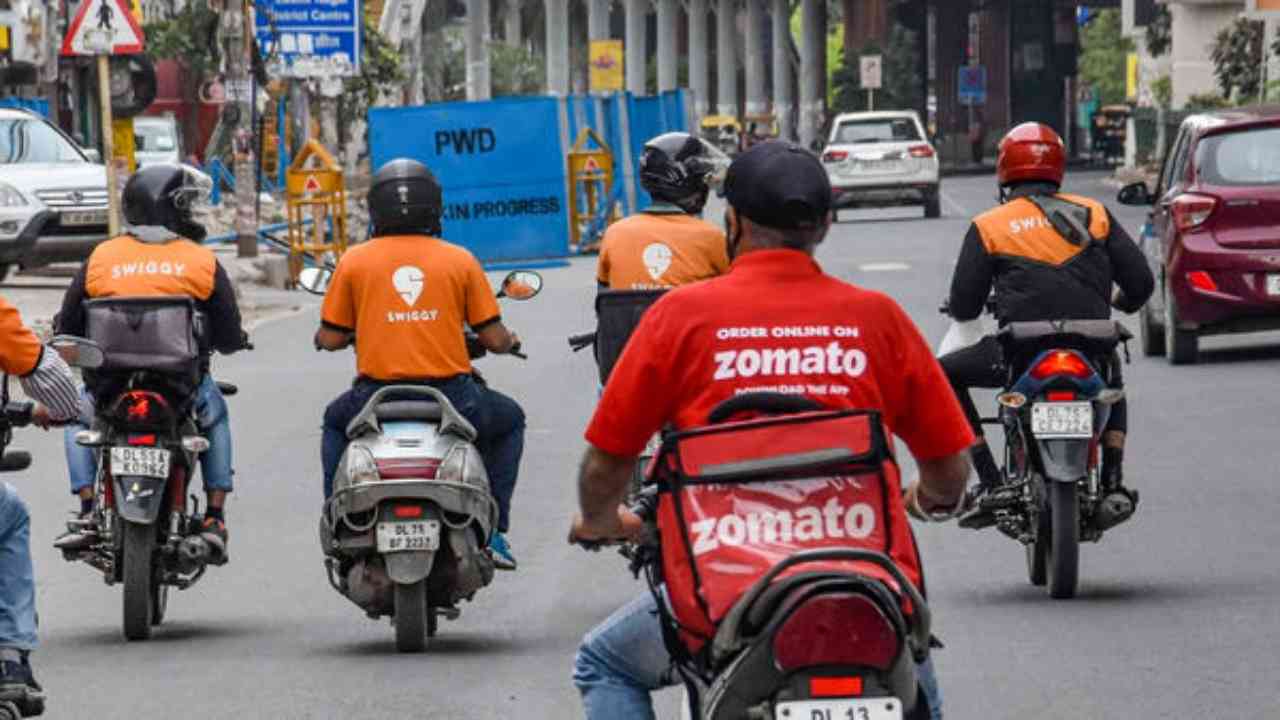
10 Minute Delivery: National food and grocery delivery companies Zepto, Swiggy, Zomato, and Blinkit have now suspended their 10-minute delivery service. This move came after discussions with Labor Minister Mansukh Mandaviya.
10 minute delivery stop
Keeping in mind the safety of gig workers and their demands, Zepto, Swiggy, Zomato and Blinkit have now decided to stop the 10-minute delivery service. Delivery partners from services like Blinkit, Zepto, Swiggy, and Zomato have been protesting for a while now, raising concerns about their safety and the pressure they face at work. The demand to deliver within 10 minutes has heightened the chances of road accidents.
Gig workers decided to strike
They argued that the expectation of such quick deliveries not only leads to traffic violations but also endangers their lives. The most significant evidence of the strike’s impact was when Union Labor and Employment Minister Mansukh Mandaviya stepped in. He made it clear that no business model should compromise worker safety.
Recognizing the seriousness of the situation, the Union Minister called for a high-level meeting with top officials from major companies in the quick commerce and food delivery industry—Blinkit, Zepto, Swiggy, and Zomato. The primary focus of the meeting was to tackle the safety of delivery partners and alleviate the mental and physical strain they endure.
During the discussions, the government took a strong position, stressing that safety is the top priority. Road safety standards will not be sacrificed for faster delivery times. Companies were ordered to promptly eliminate the “10-minute delivery” promise from their marketing and operations. Gig workers should not just be seen as partners; their social security benefits and working conditions need to be addressed.
Blinkit and other companies respond
Right after the Labor Minister’s intervention, Zomato-owned Blinkit committed to removing the 10-minute delivery promise from all its advertisements and app interface. Other companies have also agreed to adjust their delivery algorithms to ease the time pressure on riders. There is now hope for stronger policies and insurance protections for gig workers in the future.