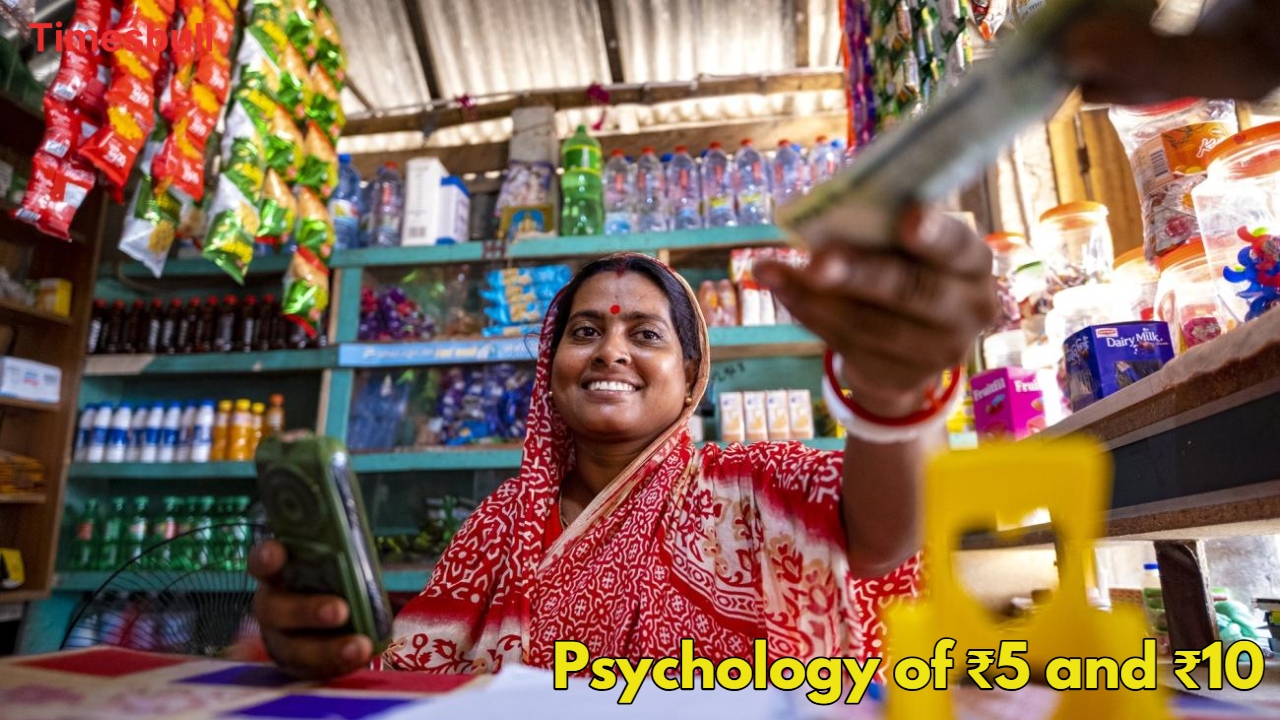
In India, ₹5 and ₹10 have become not just a price, but a symbol of trust. These are prices that every consumer in the country easily understands and accepts. No major calculations are required. Take out the coins from your pocket and buy the goods. Especially in rural and small towns where people shop in cash every day or every week, these prices have become synonymous with convenience and trust.
Why don’t these prices change
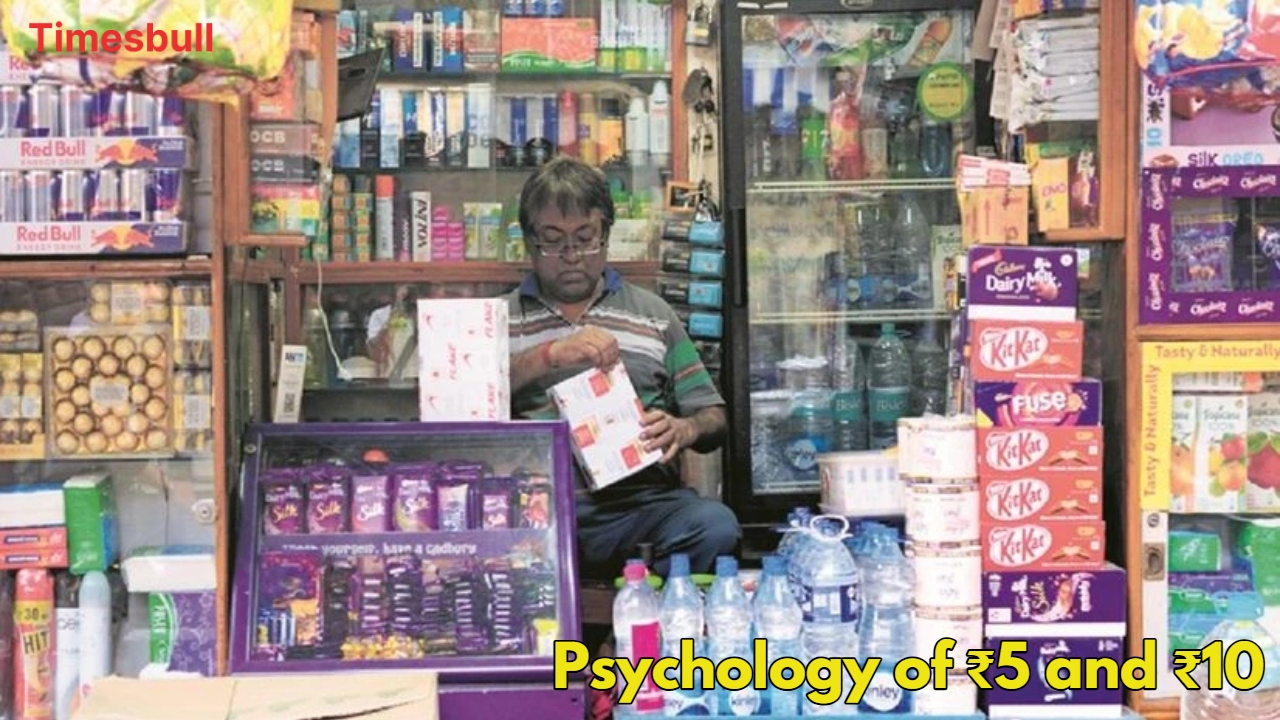
Recently, the government has made changes in GST on many things, which have benefited the companies. But still, they are not ready to break the limit of ₹5 and ₹10. Instead of reducing the price, they increase the weight of the packet. That is, the biscuit packet, which was earlier available for 40 grams, can now be available for 50 grams for ₹10.
Actually, changing the price does not only mean changing the MRP. Along with this, packaging, distribution, and retail display everything has to be changed. This is why companies do not tamper with these prices.
Trust in price more than brand
In this market, price is the biggest brand. Suppose a company starts selling a packet of biscuits for ₹12 and another company keeps selling the same biscuits for ₹10, then the customer will immediately go to the other company. That is, here loyalty is not of the brand name, but of money.
This is the reason why companies like Parle have been making packets of ₹5 and ₹10 for decades. This makes their products easily accessible to students, laborers, and ordinary families. While big companies focus on premium products, brands like Parle earn from volume, i.e., high sales.
Importance of ₹5 and ₹10
The entire supply chain is based on ₹5 and ₹10. From packaging to the size of the carton and the shelf of the grocery store, everything is decided accordingly. Shopkeepers also prefer these small packets as they sell quickly and customers come back again and again.
Earlier, goods were available for one or two rupees. Then ₹ 5 made its place. Now, gradually, ₹ 10 has become the most popular price point, especially in snacks and everyday items. This shows that the purchasing power of the people has increased, and now they have started considering ₹ 10 as a normal expense. In a country like India, where crores of people fall in the low-income group, small prices are the key to big business. ₹ 5 and ₹ 10 are not just prices, but a measure of trust and convenience for the common man.