
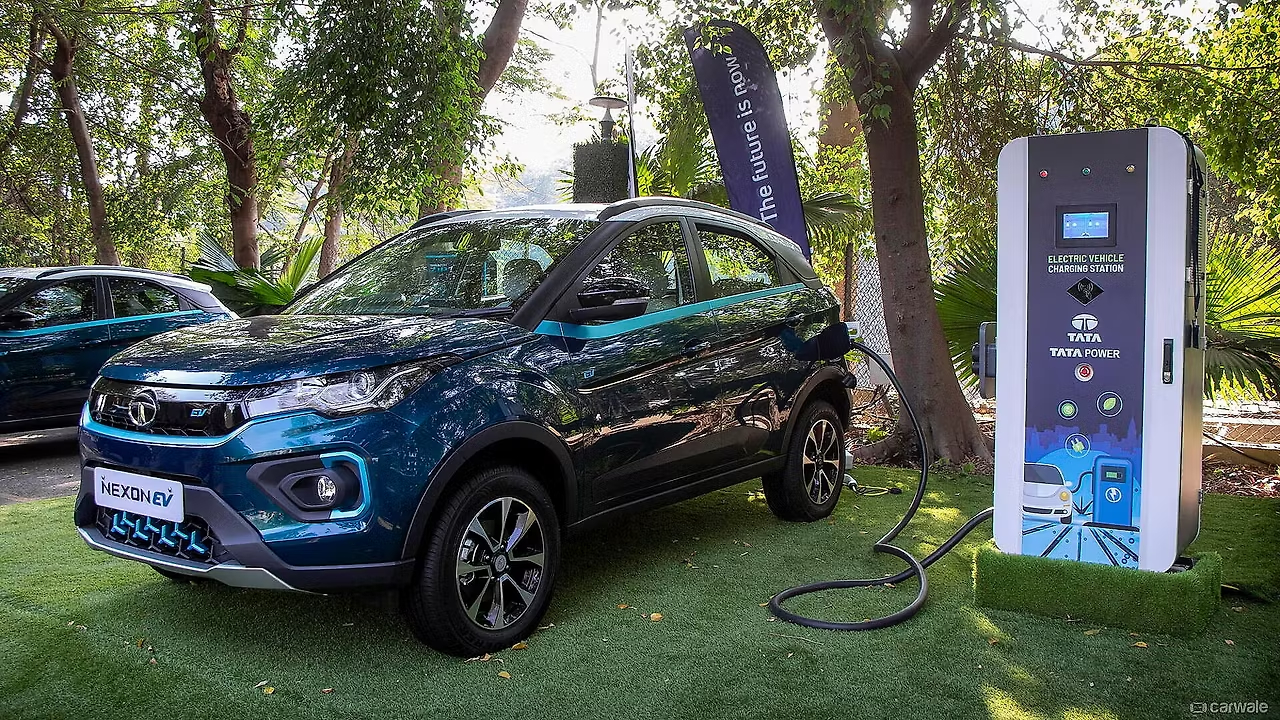
Top Indian Cities with the Best EV Charging Infrastructure : 2025 is here, and the streets of India are not alien to electric vehicles (EV) on a day-to-day basis. More are now opting for it because of its increasing demand with everyday people’s travel and thus increasing concerns regarding the high cost of fuel and the environment. However, the never-ending question stays with a furtive EV buyer-“But is there enough charging infrastructure?” It depends on where one lives. India has experienced a rise in the adoption rates of electric vehicles alongside a few Indian cities moving forward with rapid infrastructure charging.
But then again with this emergence of BEV in India, cities like Bengaluru have taken the lead and accommodate the best available vehicle charging infrastructure. Tech capital of India, Bengaluru has invested greatly in developing public and private EV charging stations. Possessing one of the largest EV hubs in IT parks, shopping malls, and apartment complexes, this city boasts pride. With its fast-charging infrastructure sprawling through various locations, the city continues in its offering of making long rides for an EV user free from hassle.
Delhi is the second most important city in terms of rapid growth in EV infrastructure. The state government has established a strong policy nudge towards such a future course. Establishment of subsides and idle permits for home charging is just one of the instruments put in place to increase the number of chargers at public locations such as metro stations and public parking areas. By 2025, over 3,000 charging points will be set up in India’s capital, with an additional number to be added in NCR regions like Gurugram and Noida.
The third prominent city, Mumbai, a very economically developed city, has a well-constructed infrastructure pertaining to EV charging, especially in places such as commercial locations and residential societies. Therefore, this city is getting on to increasingly adding up charging points in public spaces such as railway stations, malls, and highways. Hence, the state policy in Maharashtra is clearly encouraging private builders to construct housing facilities with EV chargers as well.
Hyderabad is, indeed, laying the groundwork for the rapid spurt in the EV scene. Quicker and slower chargers now got the entire stretch of the city, with clearly laid-out EV routes. Hence, both cities are expected, by 2025, to be one among those cities where an EV user can plan trips without worrying about chargers.
Mediocre growth is what Pune, Ahmedabad, Kochi are making. Cities are gradually becoming EV-friendly mainly through the support from local municipal corporations and, of course, private partnerships. Just about any startup and charging service provider involved with work in these Tier-2 cities is extending the network but absolving the point of limitations.
In 2025, Bengaluru, Delhi, Mumbai, Hyderabad, and Chennai will be very much leading the EV space and the back-end charging. Thousands of chargers already exist; the infrastructure is better and, thus, has made owning an EV in these mega metros so much feasible and comfortable. Even better things are coming with more cities being added to the better greener plans. The future is undoubtedly strengthening up India’s shift to electric mobility.
Latest News
- PM Kisan Samman Nidhi Yojana: नहीं मिल रही 2000 रुपये की किस्त तो किसान तुरंत करवा लें यह काम

- Aadhaar Card Update Rules – How Many Times Can You Change Address, DOB & Number?

- Train Ticket: How to book a confirmed train ticket without an agent? Learn the Easy Steps

- Indian Railways– 155 Trains Express Declared High-Speed, Thousands of Railway Staff to Benefit
- Monsoon Alert – Warning Heavy to Very Heavy Rain alert & thunderstorms in 22 States Over Next 4 Days

- America-Iran War: मिडिल ईस्ट में तनाव होगा खत्म! ईरान ने होर्मुज रास्ते पर कही बड़ी बात

- PM Surya Ghar Yojana 2026: Get Up to Rs 78,000 Subsidy within 6 Easy Steps, Know Here
- Cheapest Available 5G Smartphones in India Under 10000

- UPSC Prelims Answer Key 2026 – How to Download UPSC Prelims Answer Key at upsc.gov.in

- 8th Pay Commission: एनपीएस और पुरानी पेंशन में कौन सी बेहतर, जानिए बड़ा अपडेट