


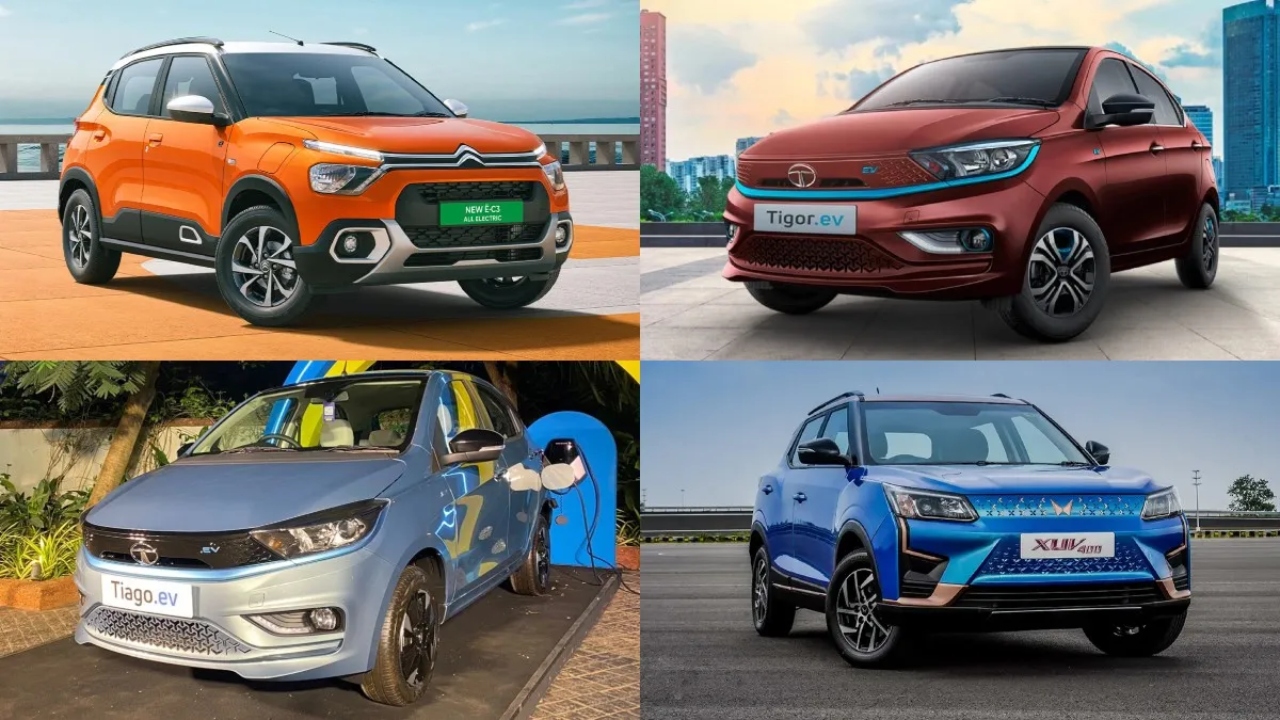
Top 5 Budget Electric Cars Launching in 2026 – Not just for the affluent, electric vehicles are for everyone now. Several automakers will come into the mainstream with budget electric vehicles that will be launched in 2026 to accommodate commutes for city and highway travel every day, save on running costs, and offer easy charging. Such vehicles will be designed for consumers who have a strong desire to escape petrol/diesel operational costs but can accept electric mobility with a reasonable economy. Here are five of the most affordable electric cars in 2026 in a nutshell, so you can see for yourself, mainly in terms of range, charging, and expected price.
2026 Tata Tiago EV (New Gen)
.webp) Tata Tiago 2026 is probably going to turn out to be a game-changer for the electric budget segment of India. Tata promises very good features meant for city driving and a strong supporting network with this EV-dominated character. Actual possible range: 250 – 300 km, which should be enough for daily official commutes and some small errands in the city. This will not be so fast compared to other “urban” fast chargers, but charging overnight should not be too much of a hassle.
Tata Tiago 2026 is probably going to turn out to be a game-changer for the electric budget segment of India. Tata promises very good features meant for city driving and a strong supporting network with this EV-dominated character. Actual possible range: 250 – 300 km, which should be enough for daily official commutes and some small errands in the city. This will not be so fast compared to other “urban” fast chargers, but charging overnight should not be too much of a hassle.
📌 Also Read: Yamaha Aerox 155 2026 Review – Performance, Handling, Features and Riding Comfort
Expected Price : around Rs 8 to 11 lakhs, which we consider pretty good for prospective buyers in this segment.
Maruti Suzuki eVX
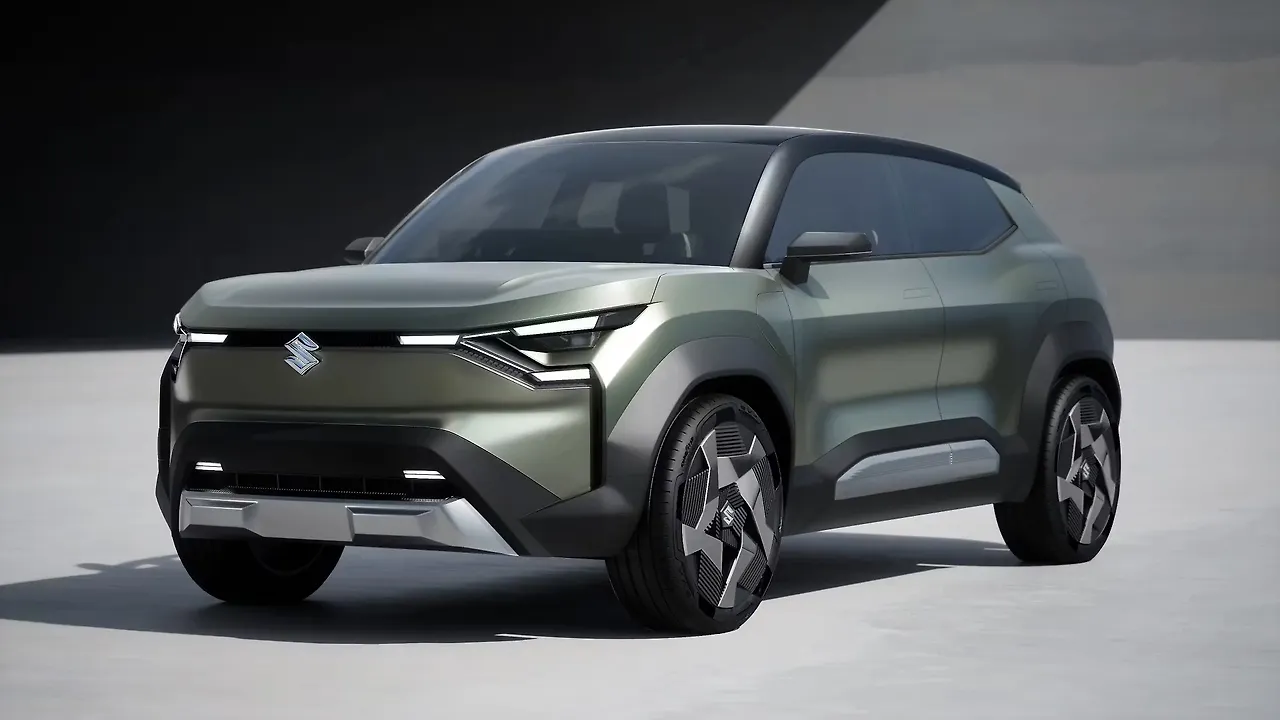 It’s probably inevitable that Maruti Suzuki would launch a budget version of eVX that will represent the most affordable entry-level EV in India’s 2026 lineup. This will prove to be a very practical and low-cost model, buoyed by the strong backup of Maruti’s extensive service network. By real-world predicted range: about 260-320, sufficient for city as well as a bit beyond short intercity runs. Its rapid charging will add to the convenience, along with an at-home charger.
📌 Also Read: Kia Seltos 2026 Review – Price ,Engine Options, Interior Quality and Driving Experience
Expected price : Rs 8-12 lakh, which is pretty much in line with what rivals are offering.
Hyundai Electric Compact EV
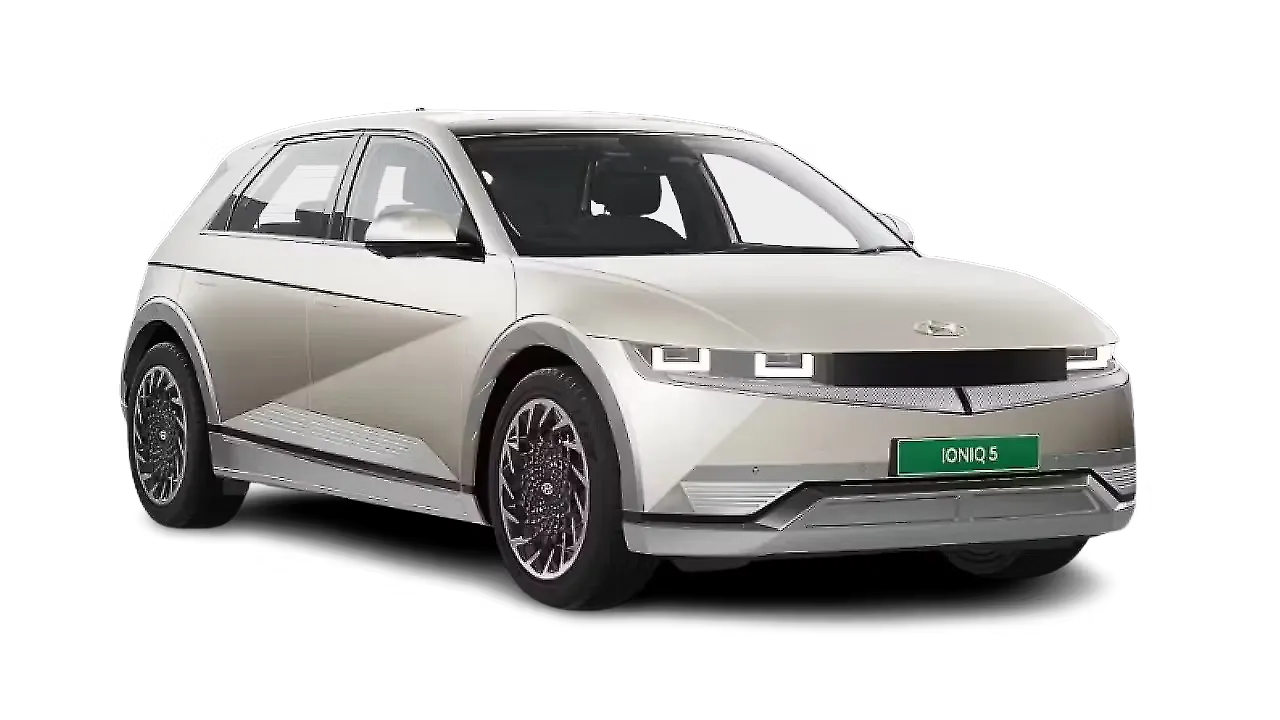 Hyundai will provide that hatchback in 2026, along with electric efficiency blended with a totally familiar riding feel. Surely, interior comforts and user interfaces would make the EV significantly attractive to urban drivers. The expected range could be 250-300 km with a stable battery performance. Fast charging is just great, while city driving is a breeze with easy handling efficiency in AC to AC.
📌 Also Read: Ather 450X 2026 Review – Real Range, Charging Time, Software and Practicality
Expected Price : around Rs 9-13 lakh. Accessible to city buyers.
MG Budget EV
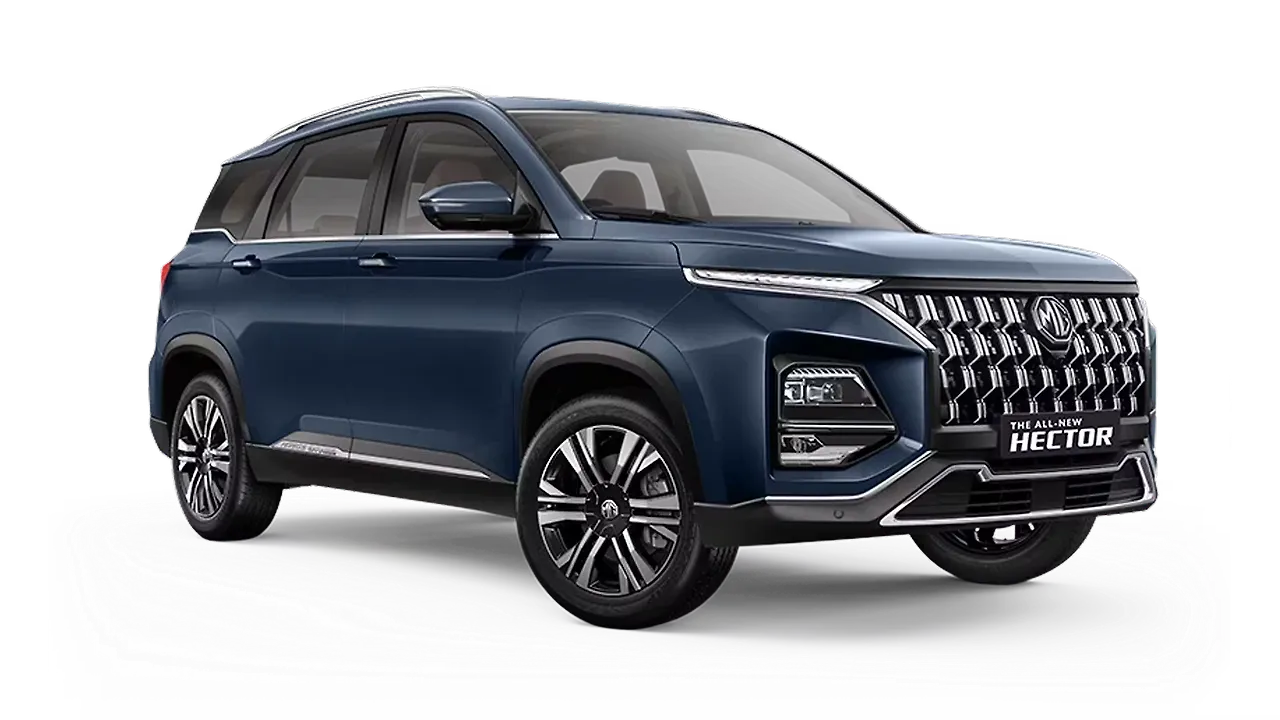 This is the kind of offering that MG would be typical of on its future budget EV, focusing on super features with more than adequate cabin space. In fact, this vehicle can set a record for city use, striding ahead with more confidence with the developing charging network. Real-world expected range of 270-330 km is expected and includes fast charging, allowing 80 per cent of the battery to be charged in 30-40 minutes.
📌 Also Read: Top Bikes & Scooters Launched In 2025 - Hero, Honda, TVS, KTM, Yamaha and Royal Enfield make a splash
Expected price: around Rs 9-14 lakh, showing value-for-money with advanced tech and comfort.
2026 Tata Altroz EV
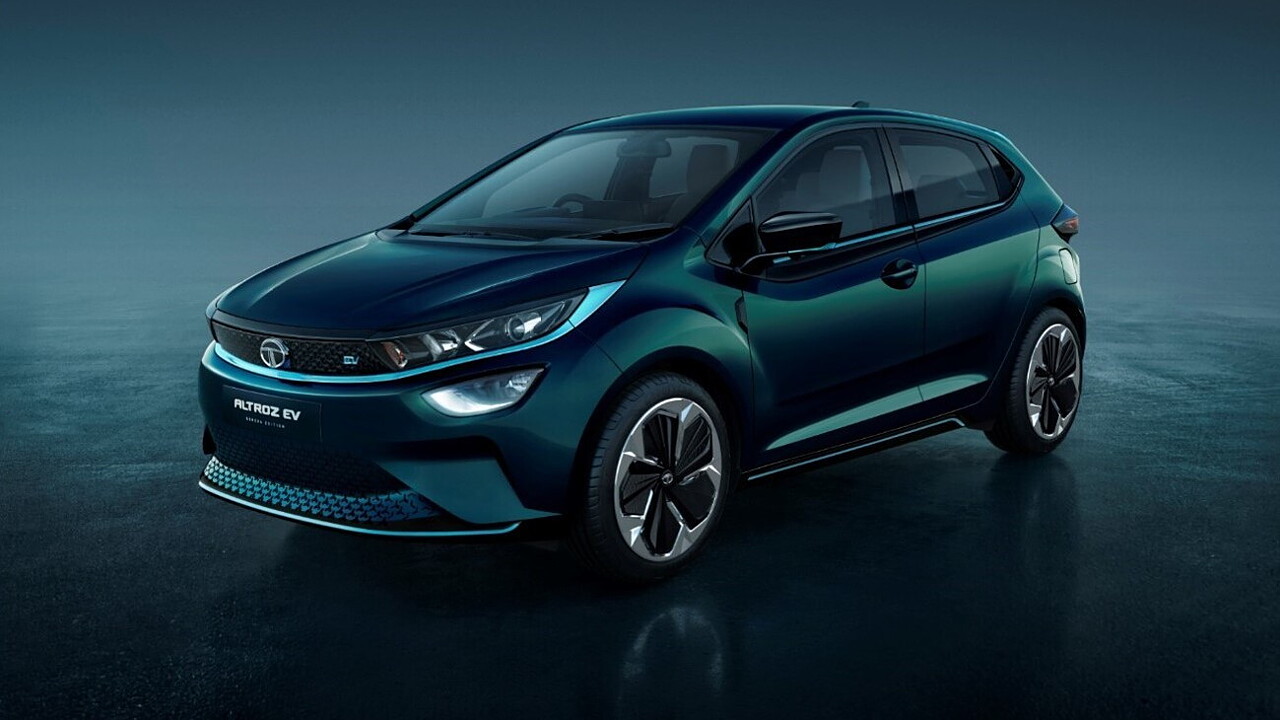 On a good note, the Tata Altroz EV should rank as probably one of the pricier options in the budget electric car space. Comfortable space in cabins, a wide boot area, and Tata’s EV ecosystem make this a well-balanced proposition for city and family transport. It’s expected to have a range of about 280-350 km and would work for families going to run some errands and going on weekend excursions. Fast charging should work out practically regarding usability.
📌 Also Read: Top 5 Upcoming Sedans in India 2026 – Comfort, Mileage and Engine Options
Expected price : Rs 10-14 lakh. While it does put this one in the slight premium segment, the offering as a whole has a far stronger case.
Conclusion
Thoughtful from Day One, budget electric cars for the city and daily use are ushering in 2026. Even greater world range, affordability to own, and trustworthy charging support, these EVs are surely going to give a proper run to petrol and diesel-powered vehicles when costs come into play.
For the most the low operating cost and easy daily drive, and a mobility footprint feasible in environmentally friendly terms, this wait is indeed worth it. Practical, range-based, and economical ownership of budget EVs will probably in 2026.