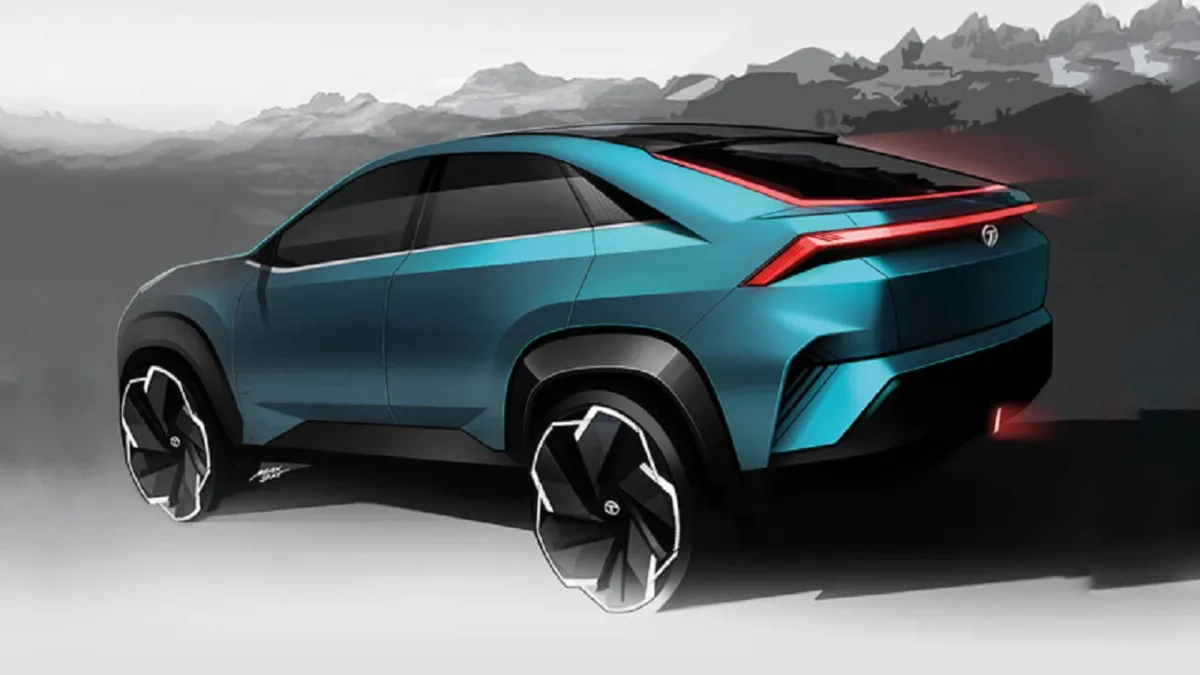
Electric Cars: Indian auto industry is going through a total revolution. While fuel prices are rising, people’s concern for the environment grows, and the government encourages EV programs, people are slowly moving away from the conventional automobile. Affordability has reached electric vehicles, especially within the ₹10 lakh range, providing the middle class with reasonable reasons to make the switch.
Government Support Drives EV Growth
Thanks to FAME-II and PM e-Drive programs, and state incentives, electric cars are now more affordable than ever. The subsidies have reduced the initial price and facilitated larger EV uptake. They are also low-maintenance and have no tailpipe emissions, making them appealing, while EVs turn out to be an environmental-friendly and economical way.
Tata Tiago EV – Cost-Effective and Efficient
Tata Motors dominates the budget electric vehicle market with the Tiago EV. It is available at ₹7.99 lakh and it boasts a range of 250 to 315 km. It comes with the option of fast charging, with 80% charge in 57 minutes. With its price tag, range, and fast charging benefit, the Tiago EV is ideal for regular use.
MG Comet EV – India’s Cheapest Electric Car
MG Comet is the most affordable electric car in India with a price tag of a paltry ₹6.99 lakh. The car has a range of 250 km and is well-suited for city commuting because of its small, stylish body. The Comet is meant for the city consumer who needs a stylish, budget-friendly EV with decent performance for the daily commute.
Citroën eC3 – Spacious EV with Extended Range
Citroën, the French carmaker, retails the eC3 in India at ₹9.99 lakh. The EV has a 320 km range and is known for having a spacious interior, offering additional comfort to families or long-distance drives. It gets the balance of utility along with power right in the sub-₹10 lakh segment.
Stepping Up Charging Infrastructure
India’s EV sector is not just growing in automobile options—charging points are also growing at a rapid rate. This infrastructure growth is addressing one of the major concerns of potential buyers, rendering electric mobility more practical in the short term and improving the appeal of electric mobility.
Latest News
- Apple MacBook Neo Deal Alert: Get It For Under ₹58,000 on Amazon Right Now

- Pakistan Attack: आत्मघाती हमले से दहला पाकिस्तान, 23 लोगों की मौत, 50 से ज्यादा घायल, जानें

- Honor Magic 9 Series Leaks: Flagship Upgrades with Massive 8,000mAh Battery and 200MP Cameras

- Motorola Edge 60 Fusion Review: Mid-Range King or Outdated?

- FD Update– Breaking Your FD Early? Know the consequences

- Bank Holiday–RBI Announces Closure of SBI, HDFC and All Banks Next Week, Save the Dates

- Samsung Galaxy S26 Ultra Amazon Deal – Get ₹23,509+ Discount with Bank Offers and Exchange Benefits

- Best Scooters For College Girls 2026 – Perfect Mix Of Mileage, Style And Lightweight Design
- Kodak Matrix QLED Google TV 2026 Series Launched in India Just Under 10,999

- Senior Citizen FD Rates: सीनियर सिटीजन को यहां से मिल रहा बंपर ब्याज, जल्द करें निवेश