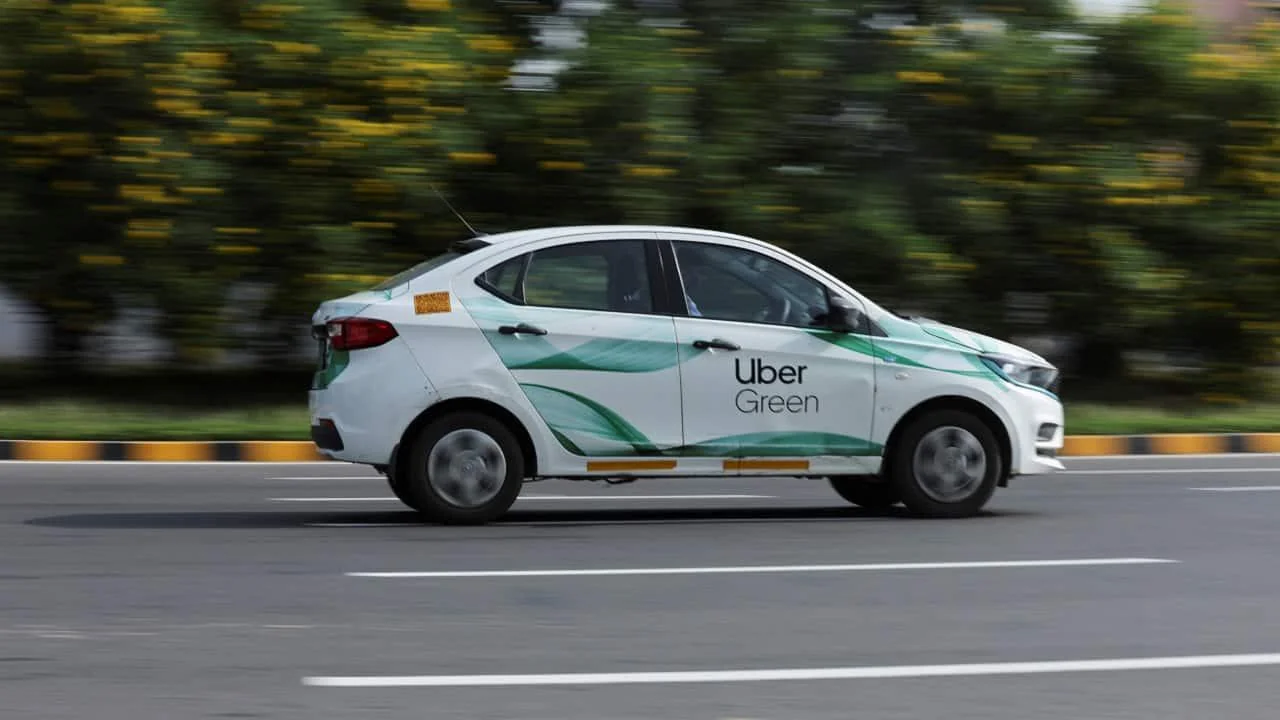
Ola and Uber Cars: India is preparing for a significant shake-up that will impact taxi operators like Ola and Uber. Shortly, no commercial vehicle above 8 years of age will be permitted to operate, regardless of its condition. The move will impact drivers, commuters, and the second-hand vehicle market.
What are the new regulations?
The government has made up its mind that taxis operating under ride-hailing apps such as Ola and Uber can be on the road for just 8 years from the day of their registration. After that, they will be withdrawn from commercial use, regardless of how good a condition they are in. The policy is going to be introduced nationwide and will impact thousands of taxi operators and millions of customers depending on the services daily.
Passenger Advantage
There are huge advantages for passengers with this new regulation. Most of the older cabs do not have safety features like airbags and ABS, which expose passengers to danger. Under the new regulation, people will be able to travel in newer, cleaner, and safer cabs. Pollution will also decrease as the newer cars will have more stringent emission norms.
Drawbacks of the New Regulation for Drivers
But this new regulation is not well received by all. Numerous drivers have financed their vehicles using loans, and their EMIs are still active. Renovating a taxi after 8 years can be a source of financial pressure, particularly as fuel prices, commission by platforms, and competition already take their toll on their income. Without the support of the government, numerous others will be compelled to close down their taxi businesses, and that gives rise to new concerns about livelihoods.
Fate of Old Taxis
Statistics indicate that almost 20% of Ola and Uber’s vehicles are over 8 years old. These cars will either need to be replaced or reconverted as private vehicles. Many of these cabs could be given a new lease of life in small towns as personal vehicles, which might even stimulate the second-hand market there as well.
Possible Solutions
There have been proposals from industry circles on how to minimize driver stress. Some of these are scrap incentives, simple loan offers, or a bit more of a wait before strictly applying the rule. Fleet managers could also intervene, offering drivers an opportunity to rent or lease newer taxis. In this manner, hi-tech cabs can enter operation while alleviating the cost on single taxi owners.
Could EVs Get a Push?
Sure. If operators have to buy new cars anyway, electric taxis could be a viable and cost-effective option in the long term. Some states already offer subsidies and tax breaks on EVs. Ola and Uber have also begun piloting electric taxis in certain cities, which may accelerate adoption now.
Latest News
- New Honda City Facelift 2026 Launched – Sporty Coupe Look And ADAS Safety Revealed

- 8th Pay Commission: केंद्रीय कर्मचारियों की बढ़ेगी बंपर सैलरी! आयोग ने उठाया यह बड़ा कदम

- China: चीन के कोयला खदान में भयंकर विस्फोट, 90 लोगों की गई जान, पीएम मोदी ने भी जताया दुख

- Weather warning – Heavy Rain, thunderstorms, lightning Alerts for 13 States Over Next 3 Days

- UP TGT Exam City Slip 2026 Released – Download at upessc.up.gov.in, Exam June 3-4

- ATM Alert: एटीएम में फंस जाए डेबिट कार्ड तो घबराएं नहीं, फटाफट यह काम करने से होगा समाधान

- Post Office Scheme – 7.5% Interest Rate, ₹5 Lakh Becomes ₹7,24,974 in 5 Years, Start with Just ₹1,000

- Best AI Video Editing Laptops Under 60,000 INR: Top Picks Her

- Best CNG Cars: पेट्रोल के बढ़ते दाम के बीच ये सीएनजी गाड़ी खरीदकर खर्च करें कम, माइलेज भी जबरदस्त

- Samsung Stable One UI 8.5 Update to Galaxy Tab S10 FE and Tab S10 FE+