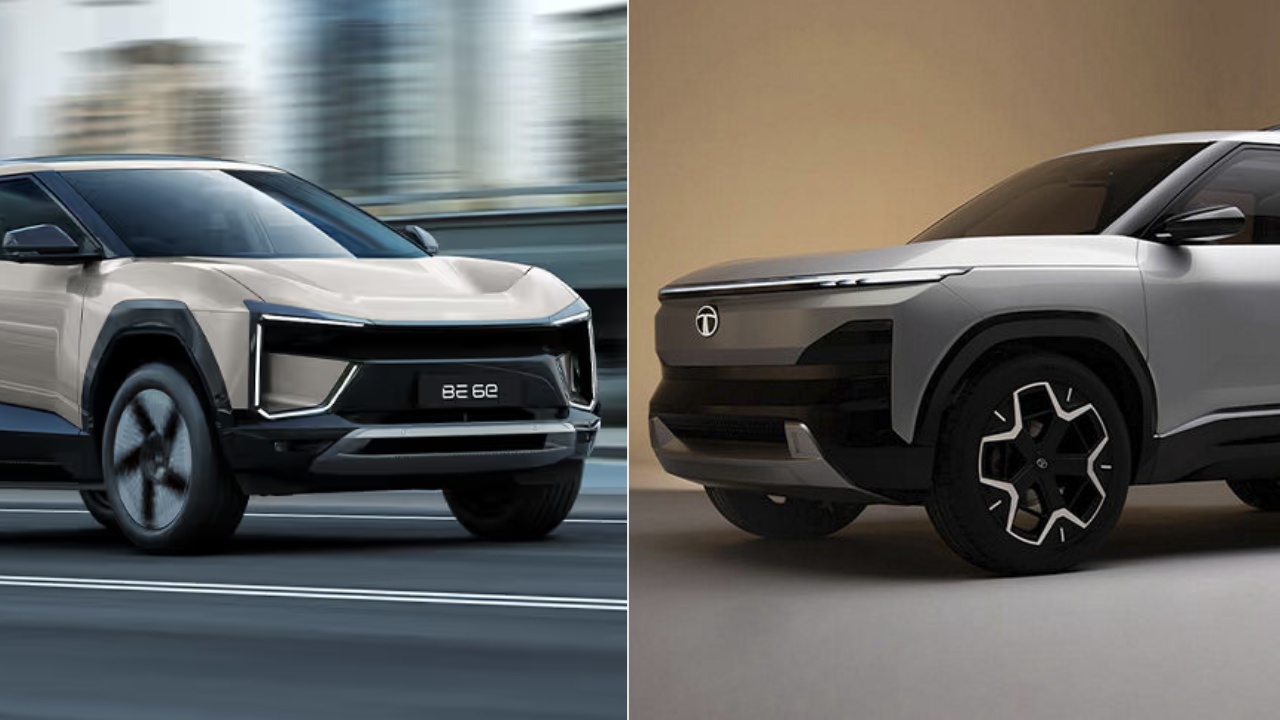
Mahindra vs Tata EVs : EVs are no more a rare sight on the Indian roads anymore. By the year 2025, EVs had become a standard choice in the category of daily driving, in which the two Indian brands at the forefront would be Tata Motors and Mahindra Electric.
Both have had a full-fledged introduction in the electric vehicle arena and are considered quite good with their practical, economical, and future-ready products. But which of the two companies is ahead in this race of EVs? Thus, a comparative study should be done between Tata Motors EVs and Mahindra EVs for concluding which amongst the two is the leader in 2025.
Tata Motors: The First Mover Advantage
The company entered the EV sector before Mahindra and thus enjoys the first-mover advantage. Electric vehicles such as Tata Nexon EV, Tigor EV, Tiago EV, and the latest Punch EV have made Tata the most visible EV brand in the country. Tata draws strength from electric vehicles offering the right blend of affordable, reliable, and daily-use cars. The Punch EV, launched in 2024, has become the new darling of urban users. An added advantage for Tata is greater car availability and an evolving EV charging ecosystem through tie-ups with Tata Power.

Tata EVs are also acknowledged for good real-world performance, decent range, and good safety ratings. The major electric vehicles from their stables fall within the ₹8 lakh to ₹15 lakh range, thus remaining affordable and attractive for a large number of prospective buyers. The Ziptron technology used in their EVs has also been proven efficient and durable through the test of time.
Mahindra Electric: Bold Design, Bigger Plans
At present, Mahindra enters the mass-market segment of the EV space, but soon it will be poised to enter into the limelight with much momentum. The XUV400 EV had some early electric introductions but quickly became overshadowed. Following that model’s success, Mahindra is gearing to bring on stream its full-fledged Born Electric SUV range, with names such as BE.05 and XUV.e8. It promises bold design features, modern interiors, and long-range options.
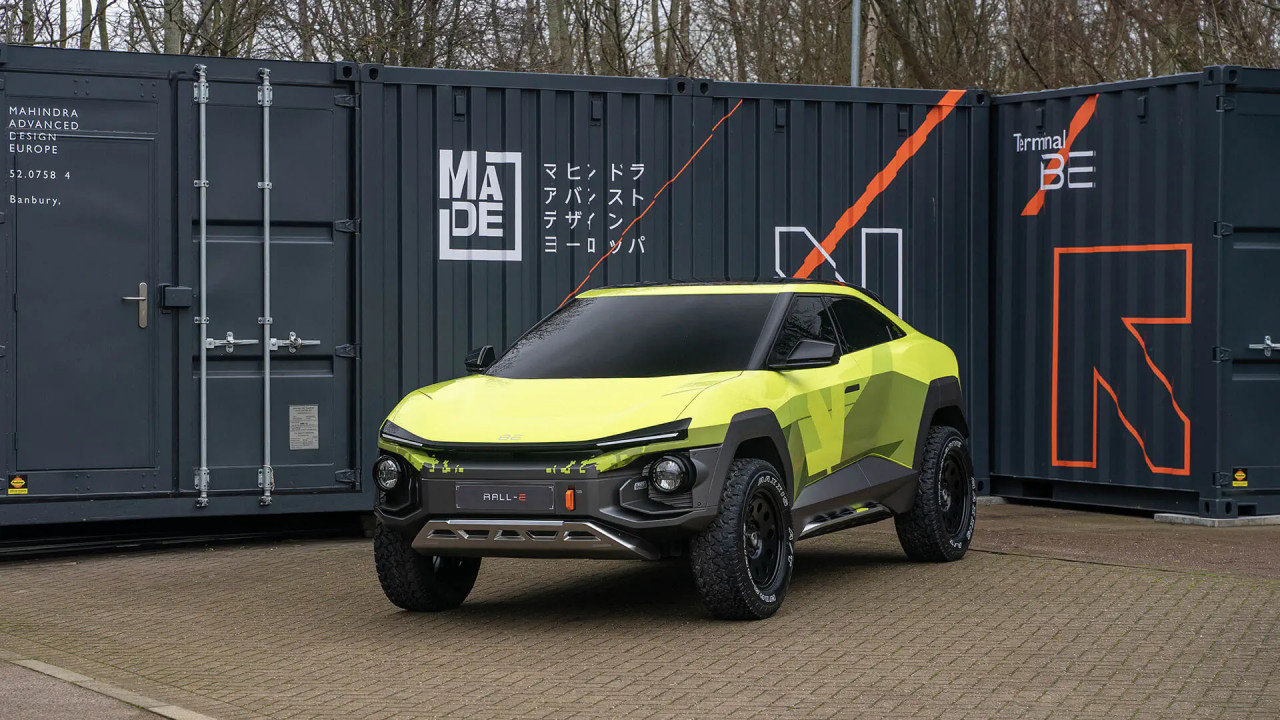
Mahindra is focusing on the development of a new range of premium electric SUVs to carve its own identity. It is also working on developing its battery platform and battery technology. By 2025, while Tata may have more EVs on the road, Mahindra’s impending models would entice buyers who appreciate style, performance, and technology.
By mid-2025, Tata Motors was ahead in the EV race regarding more models, outreach, and pricing. But Mahindra is almost there, chasing Tata along with bold designs and premium electric SUVs. The real winner? Indian consumers who now have two fantastic options in homegrown EVs