
Hyundai Bringing Two New SUVs to India, Competition Heats Up for Grand Vitara & Nexon EV
Hyundai Motor India is shifting its gears for the 2025–2026 fiscal year, confirming two major SUV arrivals designed to plug critical gaps in its portfolio. As confirmed by CEO Tarun Garg, the brand is moving beyond its "Creta-heavy" identity to take a direct swing at

 Join Us
 Add as a preferred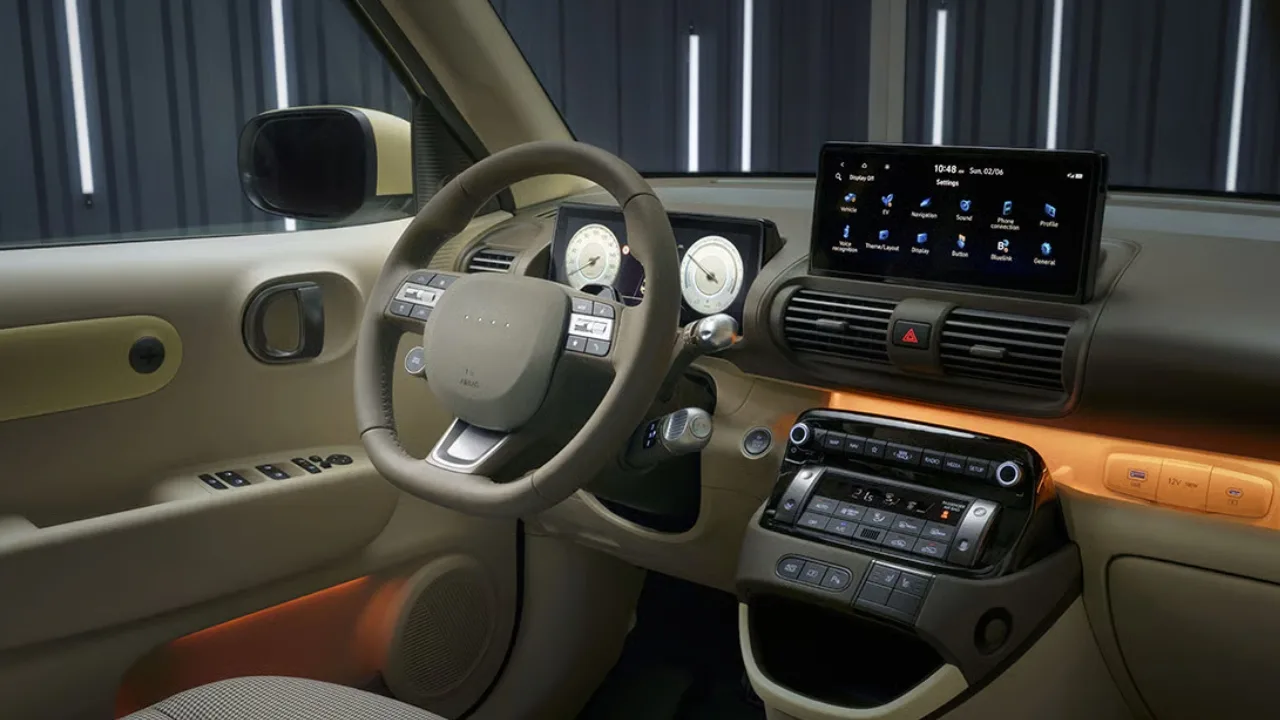
Hyundai Inster (4)
Hyundai Motor India is shifting its gears for the 2025–2026 fiscal year, confirming two major SUV arrivals designed to plug critical gaps in its portfolio. As confirmed by CEO Tarun Garg, the brand is moving beyond its “Creta-heavy” identity to take a direct swing at both Tata’s EV dominance and Maruti’s crossover success.
The strategy involves two distinct paths: a Bayon-derived crossover aimed at the high-volume midsize/compact border and a born-electric compact SUV (HE1i). We’ve broken down the specs, the tax-saving strategies, and the competitive landscape to bring you the ultimate breakdown.
Bayon-Based Crossover
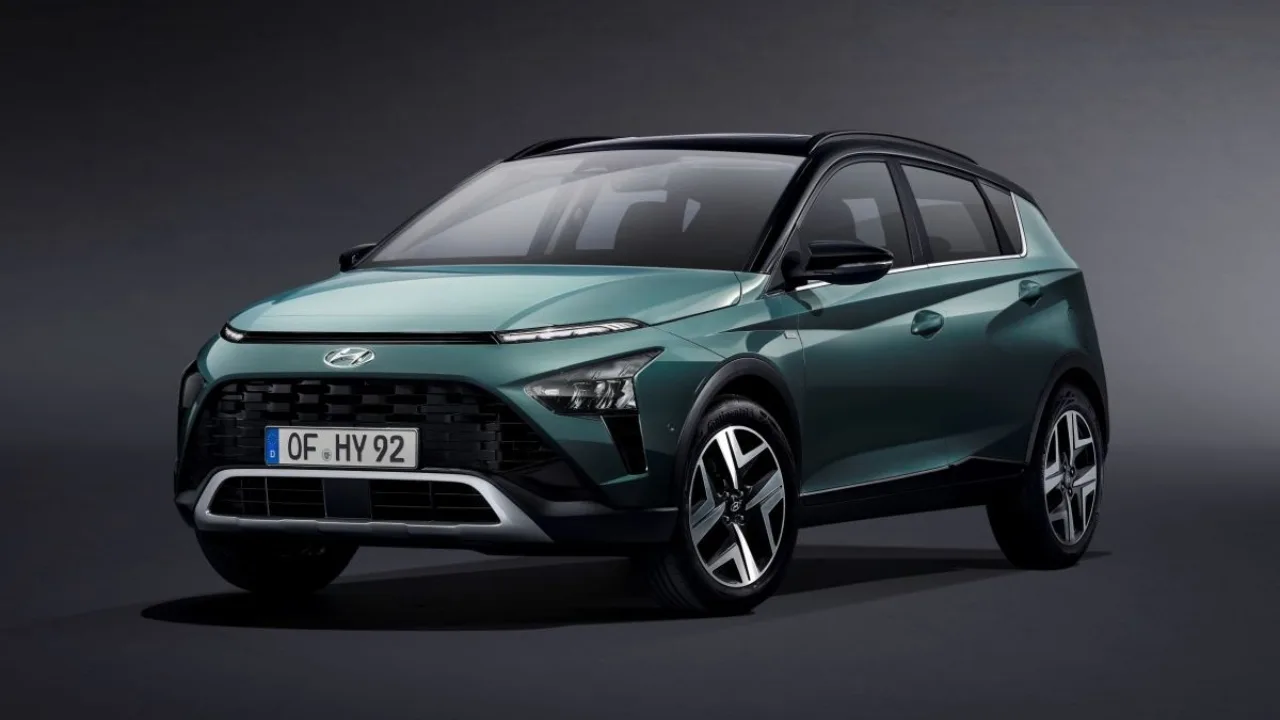
While the European Bayon is a jagged crossover, the India-spec model (codenamed BC4i) is expected to adopt a more “boxy” SUV silhouette similar to the new Venue. Hyundai is positioning this to fill the price gap between the Exter and the Venue/Creta.
-
Tax Efficiency: To stay competitive, Hyundai is reportedly targeting a sub-4-meter length for the India-spec version to benefit from B-segment tax breaks.
-
Engine Options: It is expected to debut a new 1.2L turbo-petrol engine that is “hybrid-ready,” alongside the familiar 1.0L turbo-petrol.
-
Niche Positioning: While it shares a footprint with the Maruti Fronx, Hyundai’s internal positioning suggests they are aiming for the “premium” end of the crossover segment, rivaling the Toyota Taisor and Maruti Grand Vitara (Sigma/Delta) trims.
Inster EV
-
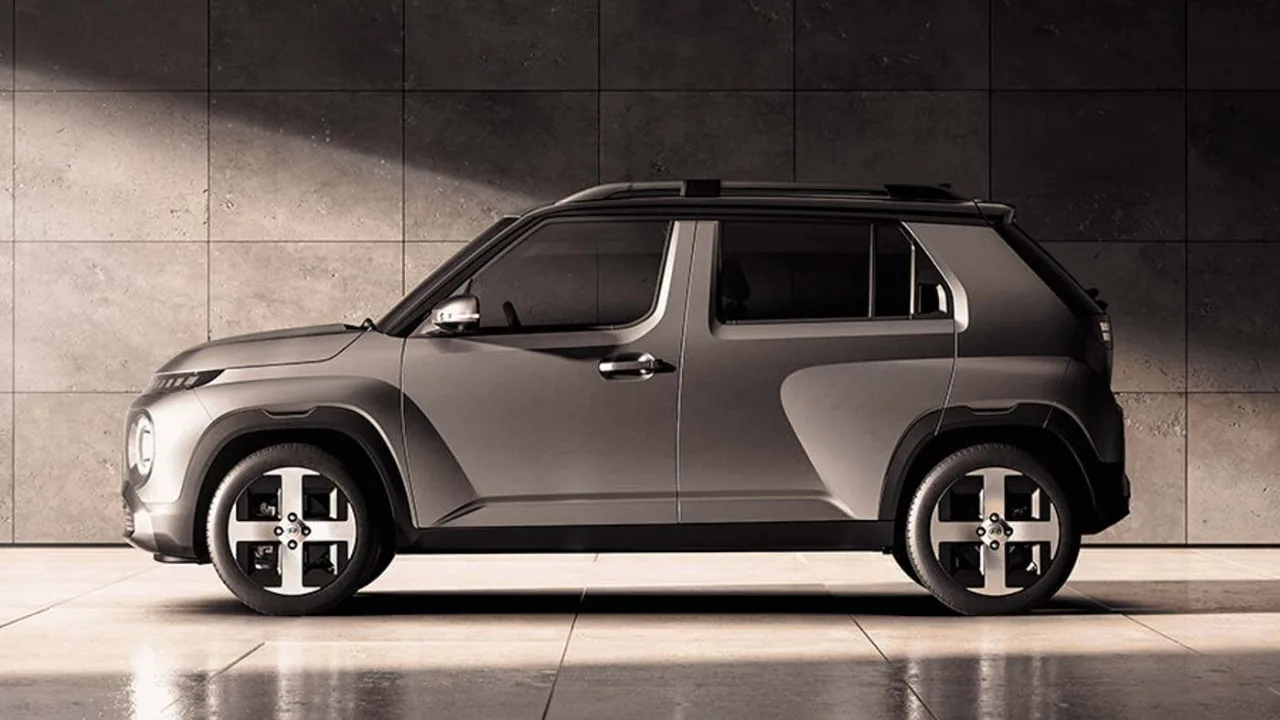
Platform: Unlike the Kona or Creta EV, which are ICE-conversions, the HE1i will be based on the E-GMP (K) platform—a “born-electric” architecture that allows for better interior packaging.
-
800V Architecture: The mention of 800V high-speed charging is a significant tech leap for the compact segment, potentially offering 10-80% charging in under 30 minutes.
-
Localization: To keep prices near the ₹12–15 lakh mark, Hyundai is sourcing battery packs locally from Exide Energy.
Range & Power Expectations
The global Inster (the HE1i’s cousin) offers a unique V2L (Vehicle-to-Load) feature. If brought to India, this would allow you to power appliances or charge other gadgets directly from the car’s battery—a feature currently popular in the Nexon EV.
-
Battery Options:
-
Standard: 42 kWh (~300 km WLTP range)
-
Long Range: 49 kWh (~355 km WLTP range)
-
-
Power Output: Expected to range between 97 hp and 115 hp, providing the instant torque typical of Hyundai’s electric motors.
-
Drive Type: Front-wheel drive (FWD) for maximum efficiency in city traffic.
Performance & Internals
Hyundai is moving toward a “Twin-Display” setup as standard for its premium launches. The upcoming SUVs are expected to feature dual 10.25-inch screens for the infotainment and the driver’s cluster.
-
ADAS Suite: Level 2 ADAS (Advanced Driver Assistance Systems) is likely to be offered on top trims, including blind-spot monitoring and autonomous emergency braking.
-
Cabin Versatility: Following the global Inster’s lead, the HE1i might feature fold-flat seats for all four passengers, transforming the interior into a mobile lounge or cargo hauler.
Pricing & Market Position
Hyundai is placing these SUVs as precision strikes against market leaders.
Bayon-Based Crossover (Expected)
The pricing is likely to range from ₹7.00 Lakh to ₹13.00 Lakh, positioning it to compete with the Maruti Fronx, Toyota Taisor, and high-spec trims of the Kia Sonet.
HE1i Electric SUV (Expected)
Targeted at the heart of the EV market, this model is expected to retail between ₹12.00 Lakh and ₹16.00 Lakh, going head-to-head with the Tata Nexon EV and the Mahindra XUV 3XO EV.
Pros & Cons
| Pros | Cons |
| Tech Forward: 800V charging and V2L capability for the EV. | Competition: Tata and Mahindra have a massive head start in EVs. |
| Portfolio Gap: Finally gives Hyundai a direct rival to the Fronx. | Naming Confusion: Adding more SUVs may clutter the showroom range. |
| Hybrid Ready: The new 1.2L turbo engine offers future-proofing. | Rear Space: Sub-4m versions may feel tight compared to the Creta. |
| High Localization: Likely to result in very competitive service costs. | Battery Specs: WLTP range is often much lower in Indian stop-go traffic. |
Which One Should You Wait For
-
Wait for the Bayon-based SUV if you find the Exter too small and the Creta too big. It’s for the buyer who wants the “SUV look” and turbo-petrol punch in a package that is easy to park in crowded Indian cities.
-
Wait for the HE1i (Inster EV) if you are ready to switch to electric but find current options a bit “budget.” The HE1i promises a more premium, tech-integrated experience with the backing of Hyundai’s reliability.
Technical Specifications
| Specification | Bayon-based SUV (Petrol) | HE1i (Electric) |
| Platform | BC4i (Modified K3) | E-GMP (K) |
| Max Power | ~100-120 hp | ~115 hp (Long Range) |
| Key Tech | Dual-Cylinder CNG / Hybrid Ready | 800V Fast Charging |
| Launch Timeline | Q3 2026 (Expected) | Late 2026 / Early 2027 |
FAQs: People Also Ask
While the European Bayon is a jagged crossover, the India-spec model (codenamed BC4i) is expected to adopt a more "boxy" SUV silhouette similar to the new Venue. Hyundai is positioning this to fill the price gap between the Exter and the Venue/Creta.
The global Inster (the HE1i's cousin) offers a unique V2L (Vehicle-to-Load) feature. If brought to India, this would allow you to power appliances or charge other gadgets directly from the car's battery—a feature currently popular in the Nexon EV.
Hyundai is moving toward a "Twin-Display" setup as standard for its premium launches. The upcoming SUVs are expected to feature dual 10.25-inch screens for the infotainment and the driver’s cluster.
Hyundai is placing these SUVs as precision strikes against market leaders.
Wait for the Bayon-based SUV if you find the Exter too small and the Creta too big. It’s for the buyer who wants the "SUV look" and turbo-petrol punch in a package that is easy to park in crowded Indian cities.

Vikram Singh
Next Article
Weather Warning – IMD का बड़ा अलर्ट, 10 से ज्यादा राज्यों में जोरदार बारिश, आंधी और तूफ़ान की चेतवानी
Weather Warning:- मौसम विभाग ने देश के कई राज्यों के लिए अगले 2 दिनों तक हल्की से मध्यम बारिश या बर्फबारी की संभावना है. वहीं, कई राज्यों में भीषण गर्मी से लोगों का बुरा हाल हो रखा हुआ है. मौसम विभाग के मुताबिक, पूर्वोत्तर भारत, बिहार, झारखंड, पश्चिम बंगाल, केरल, तमिलनाडु में बारिश की संभावना है.

Weather Warning:- देश के कई राज्यों में एक तरफ भीषण गर्मी (Heatwave Alert) की वजह से लोगों का बहुत ही बुरा हाल हो रखा है. वहीं, दूसरी तरफ मौसम विभाग (Weather Forecast) ने देश के कई राज्यों में भारी बारिश (Heavy Rainfall Alert), आंधी और तेज हवाएं चलने को लेकर अलर्ट जारी कर दिया है. मौसम का मिजाज बहुत ही तेजी के साथ बदलता हुआ नज़र आ रहा है. भारतीय मौसम विभाग (IMD) ने अगले कुछ दिनों के लिए कई राज्यों में बारिश, आंधी की चेतवानी जारी कर दी है.
मौसम विभाग के मुताबिक, बंगाल की खाड़ी और अंडमान निकोबार द्वीप समूह में मॉनसून ने दस्तक देनी शुरू कर दी है. मौसम विभाग के ताजा बुलेटिन के मुताबिक, पूर्वोत्तर भारत, बिहार, झारखंड, पश्चिम बंगाल, केरल, तमिलनाडु के कई हिस्सों में अगले चार दिनों तक भारी बारिश (Weather Alert) को देखते हुए अलर्ट जारी कर दिया गया है. असम और मेघालय में भी कई जगहों पर ज्यादा बारिश देखने को मिल सकती है. तो आइए जानते हैं कि आने वाले दिनों में मौसम का हाल कैसा रहने वाला है?
Write a Comment