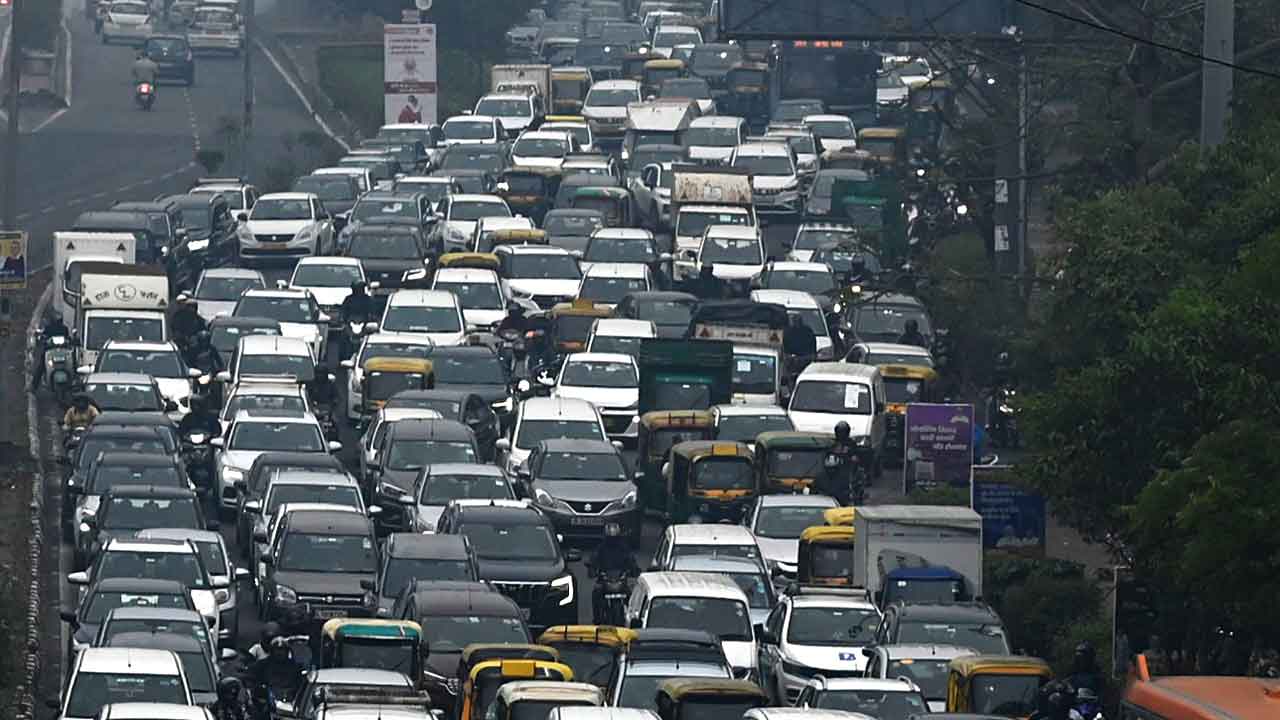
Old Vehicle: If you live in Delhi and own an old vehicle, there is fresh news that could directly affect you. A new debate has started over banning End of Life (EOL) vehicles in the city. Lieutenant Governor VK Saxena has written to the Delhi government urging them to stop this ban for now. According to him, Delhi is not ready for such a big move and the public could suffer if this rule is pushed without full preparation.
What are EOL vehicles?
EOL vehicles are those whose permitted life has ended. In Delhi, petrol vehicles are allowed for 15 years, while diesel vehicles can be used for 10 years. After this period, driving these vehicles becomes illegal due to strict pollution laws. These rules aim to control the growing pollution in the national capital.
Why LG raised questions
VK Saxena has written a letter to the Delhi government pointing out many problems with this decision. He argued that Delhi does not have the right infrastructure to manage scrapping or removing lakhs of old vehicles from the roads in one go. People in Delhi, especially the middle class, spend years of savings to buy a vehicle. Declaring it illegal all of a sudden is neither fair socially nor financially. Saxena also mentioned that many families are emotionally attached to their cars, which hold personal memories.
LG asks for review petition
LG has requested Delhi’s government to approach the Supreme Court to review its 2018 decision about banning EOL vehicles. He said that until the government is fully prepared with facilities to scrap vehicles, it would be unfair to go ahead with this rule. VK Saxena suggested involving the Commission for Air Quality Management (CAQM) and requesting them not to push the rule until proper arrangements are in place.
Impact on common people
This ban, if enforced, could affect lakhs of vehicle owners whose vehicles have crossed 10 or 15 years. They might be forced to buy new vehicles, which is a huge burden for the middle class. Commercial vehicles, taxis, and auto rickshaws will also face the heat. Many families who cannot afford a new vehicle will be under pressure.
Also Read: 53% EV Market Captured by Mahindra and MG, Tata’s Crown Under Threat
Future of vehicle policy
The focus on pollution control will remain strong, but Delhi’s experience suggests that big changes must be introduced carefully. Otherwise, rules could end up hurting people more than helping the environment.
Latest News
- NEET UG 2026 – Haryana & Bihar Announce Free Bus Service for Candidates on June 20-21

- PM Kisan 23rd Installment: Farmers to get Rs 2000 in June? Know Here

- Best Premium Smartwatches Under ₹10,000: Upgrade to Luxury Metallic Builds, AMOLED Screens, and In-Built GPS

- Maruti Dzire CNG Continues Dominance – Fuel Efficient Sedan Wins Indian Families

- Vivo Y600 Turbo Set to Debut: Featuring a 165Hz Display, Dimensity 8500, and a Massive 9,020mAh Battery

- HMD Vibe 2 5G Debuts in India with 6000mAh Battery & 50MP Camera: Get It For Just ₹9,499 With Launch Offers

- 8th Pay Commission लागू होते ही कितना हो जाएगा फिटमेंट फैक्टर, चेक करें अपडेट

- Oppo Find X9 Ultra Launched in India: Check Reliance Digital Price, Bank Offers, and Flagship Specs

- Electricity Bill Saving– How to Save Power During Summer Heat? Here Are the Few Tips

- Gold-Silver Rate – Gold ₹44,396 per 10 grams & Silver ₹1,85,462 per kg cheaper from the Peak