
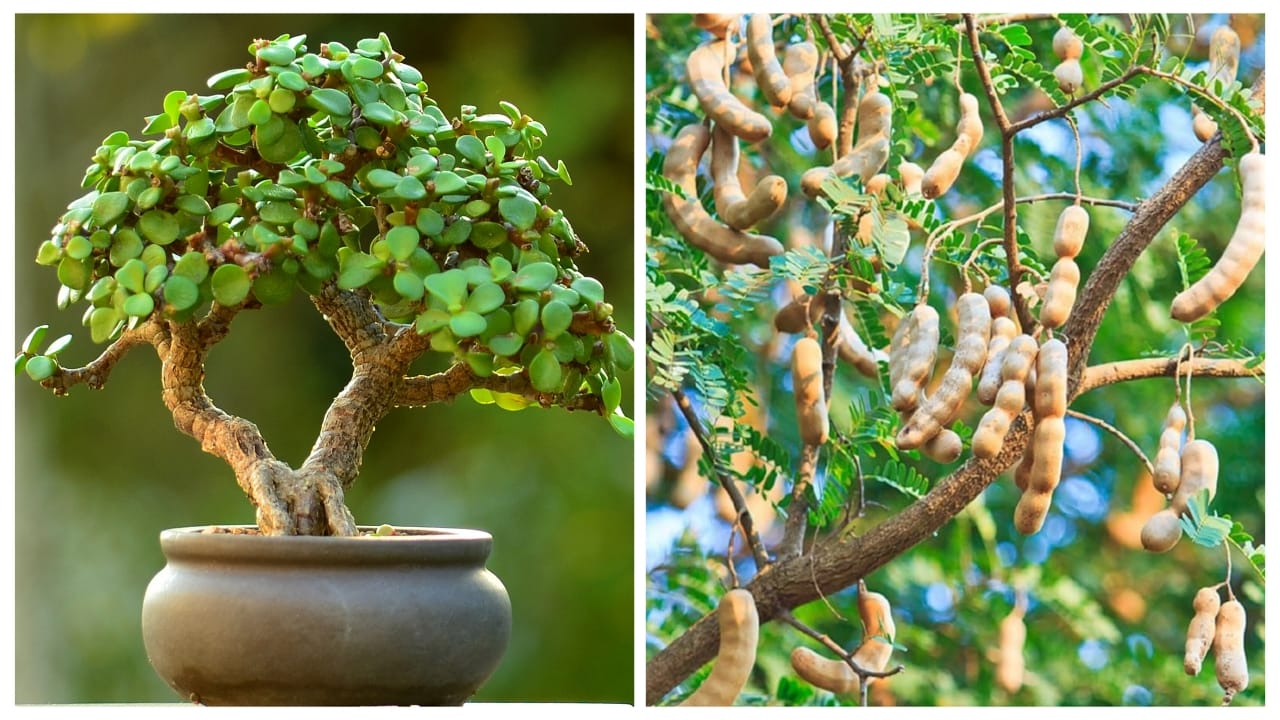
Vastu Plants to Avoid – Vastu Shastra says that the plants we keep at home are not just for decoration; they profoundly influence the flow of energy in the house. Some plants attract positivity, growth and prosperity, while others can create negativity and obstacles in life. Often, people unknowingly keep plants that block progress and disturb the home’s mental and financial balance. Here are the plants that Vastu considers inauspicious for any household.
Thorny Plants
According to Vastu, thorny plants should never be kept at home, except for roses. The sharp thorns are believed to block the flow of positive energy and increase stress in the environment. If you have thorny plants anywhere inside the house, remove them immediately to restore harmony.
Bonsai Plants
Modern homes often use bonsai plants for aesthetic décor, but Vastu strictly advises against keeping them. A bonsai symbolises stunted growth, and having one at home is believed to slow progress and create obstacles in career, finances, and overall development. Keeping bonsai indoors is considered especially harmful for prosperity.
Tamarind Plant
Even though a tamarind plant looks appealing, its presence is said to attract negativity. Vastu experts suggest that tamarind trees should never be planted inside or near the house, as they may disturb peace and create negative vibrations around the living space.
Henna Plant
The henna plant is known for its medicinal properties, but according to Vastu, keeping a mehndi plant indoors is inauspicious. It is believed to create an energetic imbalance and should not be planted in home gardens or balconies.
Cotton Plant
The cotton plant is another plant that Vastu discourages. It is said to affect stability and prosperity when grown near the house. Cotton plants can bring stagnation and disturb the smooth flow of positive energy in the home environment.
Latest News
- Weather Warning Delhi-NCR – Rain Alert & Dust Storm in Next 2-3 Hours, IMD Issues Yellow Alert

- PM Kisan Samman Nidhi Yojana: नहीं मिल रही 2000 रुपये की किस्त तो किसान तुरंत करवा लें यह काम

- Aadhaar Card Update Rules – How Many Times Can You Change Address, DOB & Number?

- Train Ticket: How to book a confirmed train ticket without an agent? Learn the Easy Steps

- Indian Railways– 155 Trains Express Declared High-Speed, Thousands of Railway Staff to Benefit

- Monsoon Alert – Warning Heavy to Very Heavy Rain alert & thunderstorms in 22 States Over Next 4 Days

- America-Iran War: मिडिल ईस्ट में तनाव होगा खत्म! ईरान ने होर्मुज रास्ते पर कही बड़ी बात

- PM Surya Ghar Yojana 2026: Get Up to Rs 78,000 Subsidy within 6 Easy Steps, Know Here

- Cheapest Available 5G Smartphones in India Under 10000

- UPSC Prelims Answer Key 2026 – How to Download UPSC Prelims Answer Key at upsc.gov.in