


E20 Petrol: Petroleum and Natural Gas Minister, Hardeep Singh Puri, has vehemently refuted concerns regarding the use of 20 percent ethanol-blended petrol (E20), labeling reports of consumer issues as mere “misinformation.” Puri emphasized that both car manufacturers and service providers have not encountered any significant problems with E20, and consumers have also embraced this fuel. He questioned the sudden interest in this matter, labeling it as a distortion of facts without resorting to harsher terms.
Preparation of E25
In defense of India’s ethanol policy, Puri highlighted the country’s gradual shift, starting with E15 (15% ethanol) for approximately three years before transitioning to E20 in April 2025. Presently, around 200 million two-wheelers and 2 million four-wheelers in India operate on ethanol-blended petrol, as reported by India Today.
When the call for a swift move to E25 (25% ethanol) emerged, the minister emphasized that the government would not hurry into any decision. They intend to await technical assessments before progressing further. Puri stated, “If there are suggestions for E25, we have clearly stated that we are conducting tests. Once the reports are available, we will assess them and engage with manufacturers and other stakeholders.”
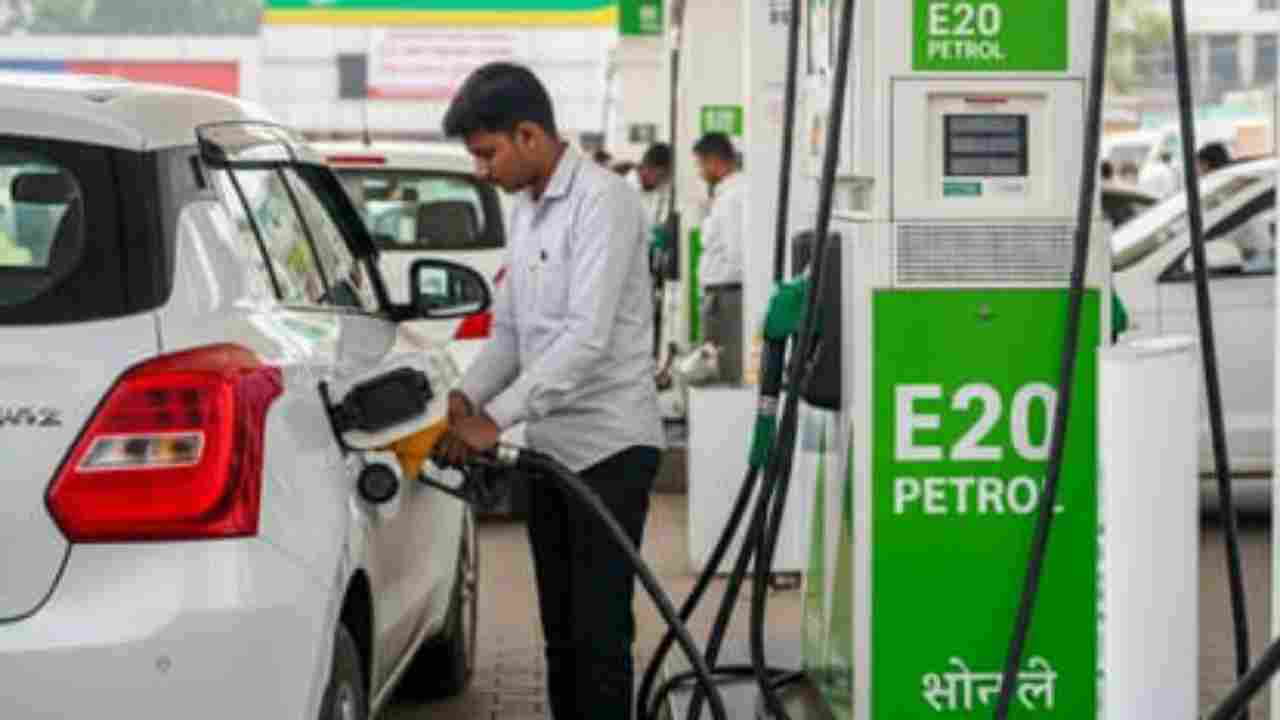
He also underscored that the progression towards higher ethanol blending will be gradual, guided by technical evaluations and industry input. This process will require time as new fuel stations and accompanying infrastructure will need to be established.
Advantages and Disadvantages of Ethanol Fuel
The government’s push for ethanol blending aims to curtail reliance on crude oil imports and create an additional market for farmers. Nevertheless, this initiative has faced opposition from owners of petrol vehicles manufactured before 2023. They have reported reduced fuel efficiency, heightened maintenance expenses, and accelerated wear and tear of components. While conceding that E20 fuel might marginally impact mileage, the government asserts that it is balanced out by enhanced acceleration and engine performance.
E20 petrol has not caused any problem in any vehicle
On another front, Union Minister Nitin Gadkari, who has been under scrutiny regarding E20 fuel, dismissed claims of any vehicle encountering issues. He denounced the dissemination of false information concerning the introduction of higher ethanol-blended petrol. Speaking at the “Developed India” conference, Gadkari emphasized that India’s reliance on fossil fuels poses economic challenges, with an annual expenditure of Rs 22 lakh crore on fuel imports. This not only burdens the economy but also imperils the environment, underscoring the necessity of transitioning to clean energy for the nation’s advancement.
Addressing allegations about his family members’ involvement in ethanol production, the Union Minister clarified that their ownership lies in sugar mills, and their businesses are not reliant on ethanol production, which is derived from biomass like sugarcane, corn, or rice.
UP and Bihar farmers benefited
Gadkari stated, “When we decided to produce ethanol from maize, the market price of maize was Rs 1,200 per quintal, and the minimum support price was Rs 1,800 per quintal. Following this decision, the price of maize surged to Rs 2,800 per quintal. He highlighted, “Farmers in Uttar Pradesh and Bihar gained an additional Rs 45,000 crore in their earnings.”