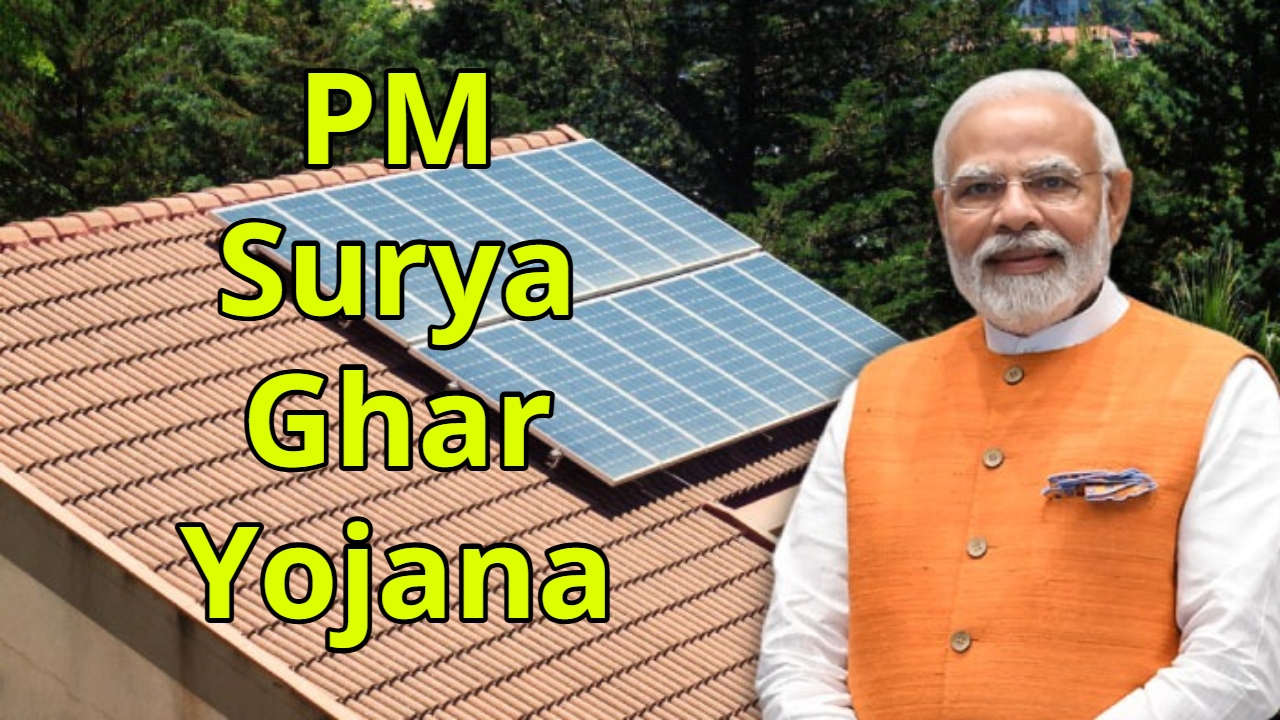
PM Surya Ghar Yojana: The PM Surya Ghar Free Electricity Scheme aims to increase electricity generation by installing solar panels on the roofs of every family’s home. Under this scheme, rooftop solar panels are installed, which can provide each family with up to approximately 300 units of free electricity. If more electricity is generated than this amount, the excess electricity is sent to the grid through net metering, and the consumer receives payment for it. In this way, the scheme is not only a means of saving electricity but also a source of income.
Cost and Subsidy for Solar Plant Installation
The government is providing a substantial subsidy on the cost of solar plants under this scheme. For plants up to 2 kW, 60 percent of the total cost is provided as a subsidy. If a family wants to install a 3 kW plant, a 40 percent subsidy is given on the additional 1 kW. For example, a 3 kW plant costs approximately ₹1.50 lakh, of which the government provides ₹90,000 as a subsidy.
Read Here: Last Chance to Buy Redmi Note 14 Pro up to 24% off at Amazon Year-End Sale
Easy Bank Loans for the Remaining Amount
For the remaining amount after the subsidy, the government has also facilitated easy bank loans. Banks have been instructed to provide loans at an interest rate of only 0.5 percent above the repo rate. Currently, the repo rate is 5.25 percent, so consumers can get loans at an interest rate of approximately 5.75 percent. This facility makes it easier for middle and lower-income families to install solar plants.
Application Process and Vendor Selection
The government has launched a national portal for this scheme. Interested citizens can apply online, and during the application process, they need to fill in information such as consumer number, name, address, and solar plant capacity. Several registered vendors are available on the portal, from which consumers can choose a vendor according to their preference and needs.
Read Here: PM Kusum Yojana: Farmers’ Income to Double, Know How to Avail Benefits
Net Metering and Benefits
After the solar panels are installed, the DISCOM company installs a net metering system. This system tracks how much electricity is used in the house and how much is sent to the grid. Under the scheme, the subsidy is transferred directly to the consumer’s bank account through DBT (Direct Benefit Transfer). A one-kilowatt solar plant generates 4-5 units of electricity daily. A 3-kilowatt plant can generate approximately 450 units of electricity per month. Selling the surplus electricity can also generate an income of up to ₹15,000 per year.
Required Documents
The documents required for this scheme include an Aadhaar card, proof of residence, an electricity bill, a mobile number, and a bank passbook or a cancelled cheque. These documents need to be uploaded during the online application process or at the time of verification.
Related Stories
 Business
 Business
 Business
 Business
 Business
 Business
 Business
 Business
 Business
 Business