


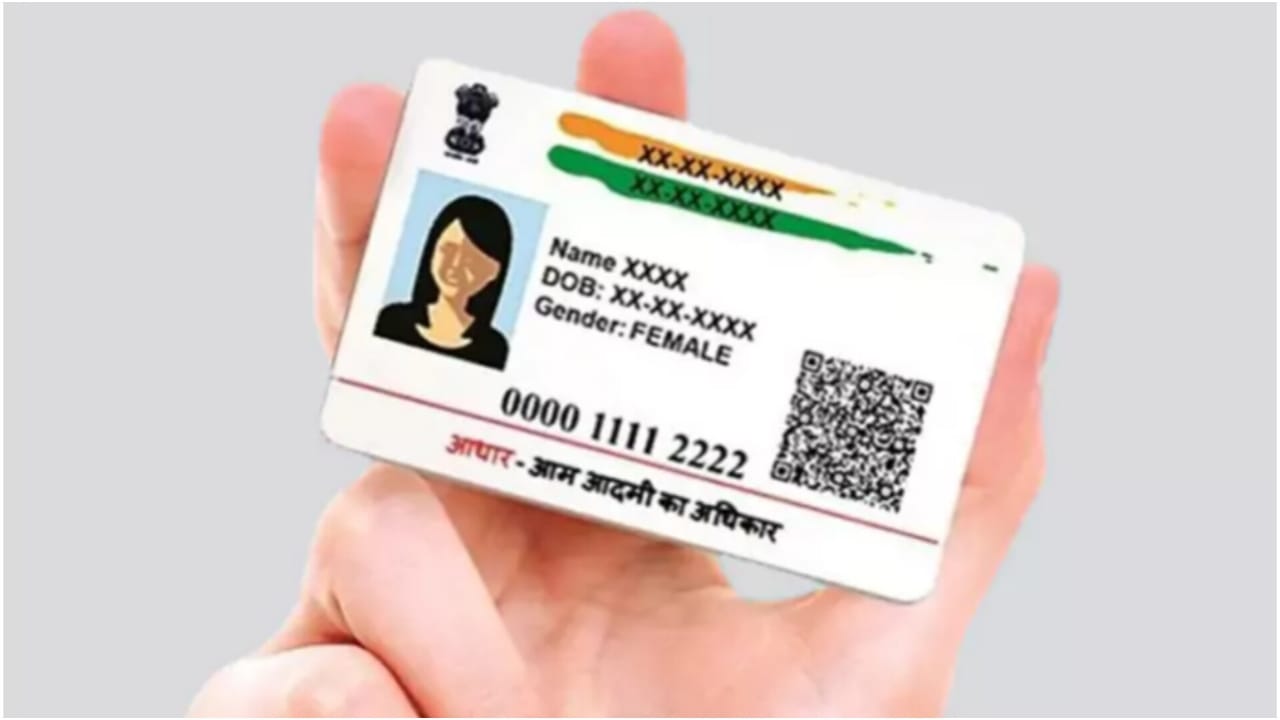
Aadhaar Card Update: UIDAI has made some changes to the Aadhaar regulations and rolled out the Aadhaar Verifiable Credential (AVC). This new digital ID option is designed to enhance offline identity verification security and minimize unnecessary data sharing. These updates were announced on December 9 and made available on the UIDAI website on Friday. They also revise the rules for organizations that conduct Aadhaar verification without direct access to the UIDAI server.
What exactly is AVC and why was it introduced?
The AVC is a digitally signed document that can include limited details, like the last four digits of the Aadhaar number, name, address, date of birth, gender, and photo. A key point is that the Aadhaar holder has the power to choose what information they wish to share during the verification process. With UIDAI’s new Aadhaar app, users will have the ability to select which details to share with the verification agency and which to keep private. This is aimed at facilitating secure identity verification while keeping the Aadhaar number confidential.
Offline face verification is also a new addition
The recent changes introduce a feature called offline face verification. This allows the verification agency to compare a live facial image with the one stored in the Aadhaar app, all without needing an internet connection. UIDAI has also updated the definition of “Aadhaar Application” to encompass all UIDAI apps and portals. The previous specific mention of mAadhaar in the rules has been removed, as the new app will simplify the digital use of Aadhaar.
Transitioning from physical to digital Aadhaar
With these updates, UIDAI aims to lessen the dependence on physical Aadhaar cards and their photocopies. UIDAI CEO Bhuvnesh Kumar has pointed out that physical copies always carry a risk of misuse. Hence, this move towards a digital-first identification approach is essential. For the first time, UIDAI has rolled out a formal registration process for organizations looking to perform identity verification using Aadhaar Verifiable Credential or Aadhaar Paperless Offline e-KYC. According to the new Rule 13A, any organization wanting to do offline verification needs to register with UIDAI.
UIDAI also has the power to review applications, ask for more details, approve or deny registrations, and set fees for registration or transactions. If UIDAI turns down an application, they have to explain why within 15 days, and the organization can request a reconsideration within 30 days.
Now, UIDAI can take action against organizations that create issues like negligence, misuse, or failure to follow instructions during offline Aadhaar verification. If an organization fails to adhere to the necessary procedures or standards, uses verification for illegal activities, hides information, or does not cooperate with audits, UIDAI can impose fines, revoke its registration, or suspend its verification rights.