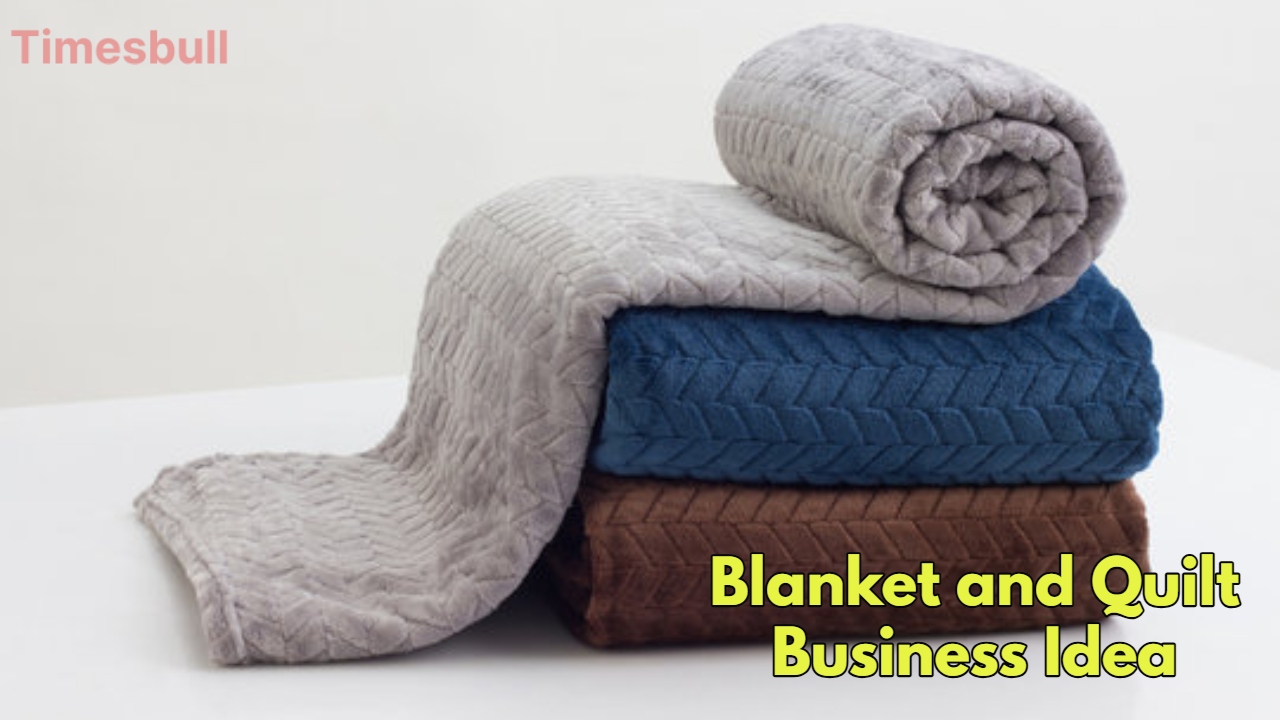
As winter approaches, the demand for blankets and quilts increases exponentially. This season, which begins in October and lasts until March, is a boon for business owners. If you’re looking to start a small or medium-sized business with low investment and high profits, the quilt and blanket business could be the best fit.
Its biggest advantage is that you can start it with a small capital of just ₹10,000 to ₹20,000, and due to the high demand in the market, you can quickly generate sales and profits. Let’s explore the steps to start this business, the necessary investments, and sales strategies.
Two Smart Ways to Start a Quilt and Blanket Business
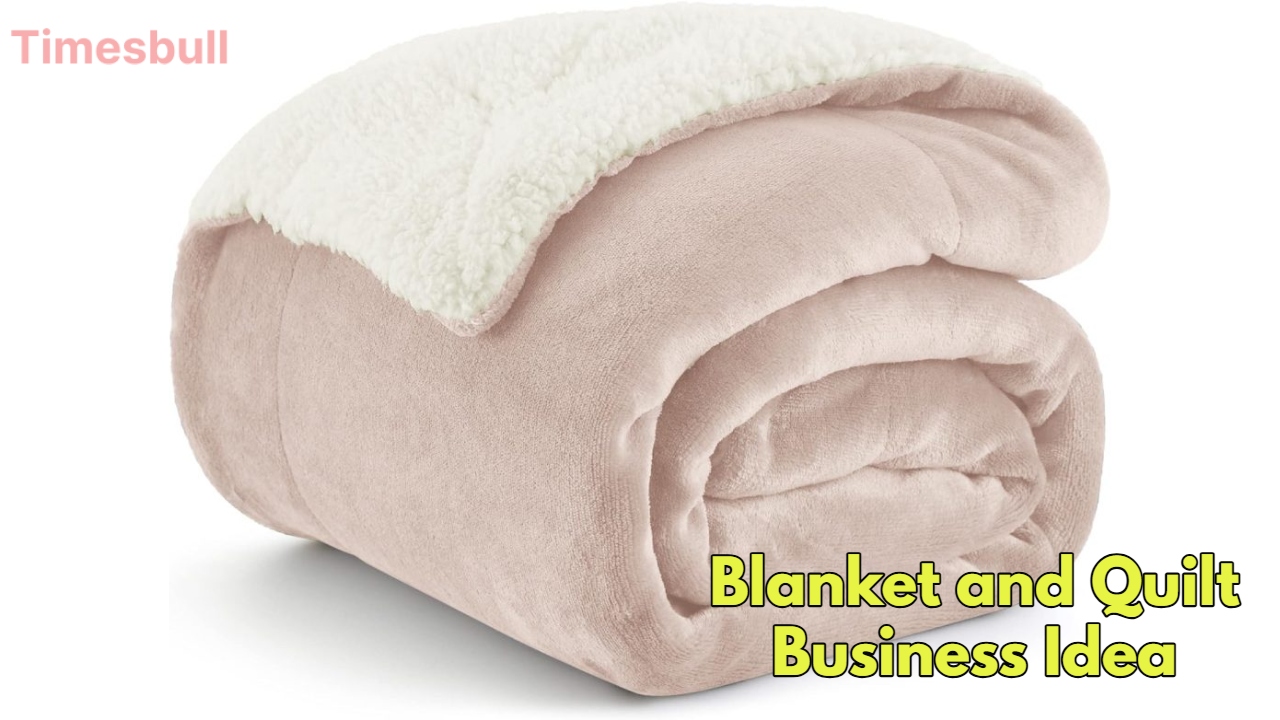
You can start a blanket and quilt business in two main ways. Depending on your capital and labor capacity, you can choose whichever method you prefer. If you want to increase your profit margins, starting your own production is a good idea. You’ll need to set up a small plant, including a sewing machine, a cotton filling machine, raw materials, and packaging.
This will require a little more labor, but the returns will be excellent. However, if production seems complicated, you can order finished goods directly from a dealer or company and sell them. This method has a much lower initial investment, and the business can be started quickly. You can also purchase quality stock directly from the wholesale market.
How much capital will be required for this business?
The biggest advantage of this business is that it generates substantial profits even with minimal capital. If you make quilts and blankets yourself, your expenses, including the cost of machinery, cotton, fabric, labeling, and packaging, can range from ₹50,000 to ₹1.5 lakh. Meanwhile, if you only want to sell, you can easily start with a capital of ₹10,000 to ₹20,000. You can order goods worth ₹20,000 and sell them in the local market or on online platforms.
Equipment and Raw Materials Required for Production

If you want to set up your own plant, you’ll need some key equipment. These include a sewing machine for sewing quilts and blankets, and a cotton filling machine for uniformly filling cotton. Additionally, you’ll need raw materials such as cotton or fiber, fabric, labels, and packaging materials. The cost of this equipment will depend on your production capacity.
Earning Both Offline and Online
Using dual sales channels is most effective for generating higher profits during the winter. For offline sales, you can sell at local markets, deliver to stores, or set up stalls in small malls. Setting up a temporary roadside stall can also help you reach customers directly. For online sales, selling directly to customers through social media and WhatsApp groups is trending these days. You can also list your products on e-commerce platforms like Amazon and Flipkart.
Vikram Singh

Related Stories
 Business
 Business
 Business
 Business
 Business
 Business
 Business
 Business
 Business
 Business