


Along with the vibrant markets during the Diwali season, the threat of counterfeit currency also increases exponentially. In a recent major operation, police in Sangli, Maharashtra, seized counterfeit currency worth ₹1.11 crore and arrested five people. This incident significantly increases public concern about the abundance of counterfeit currency in the market during Diwali. Therefore, it is extremely important to fully understand the difference between genuine and counterfeit currency.
RBI’s ‘MANI App’
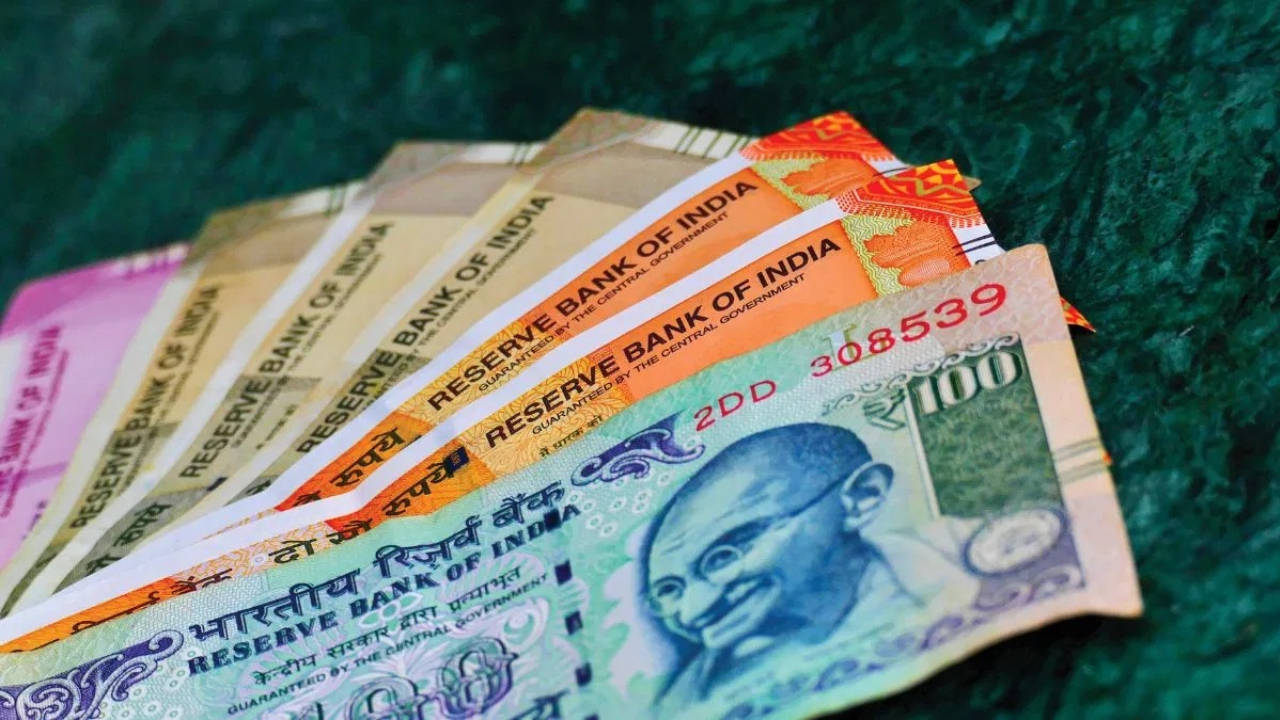
The Reserve Bank of India (RBI) has launched a revolutionary app, the ‘MANI App,’ to make it easier to identify counterfeit notes. This app works brilliantly as a counterfeit note detector. To identify a counterfeit note, all you need to do is open the app and scan the note. Immediately after scanning, the app will tell you whether the note is genuine or counterfeit. The app’s most significant feature is that it can even detect torn and worn notes.
Identify the notes with security features
The most reliable way to distinguish between genuine and counterfeit notes is to personally examine the security features on the note.
1. Security Thread
Genuine notes have a shiny security thread with the words ‘India’ and ‘RBI’ written on them. This thread is clearly visible when held up to the light, and on the 500 rupee note, it changes from green to blue.
2. Watermark and Latent Image
A watermark is clearly visible near Gandhiji’s photo. Additionally, Gandhiji’s glasses and the words ‘RBI’, ‘India’, and ‘500’ are written in very small letters on the edge of the note, making them invisible.
3. Ink and Intaglio Printing
Gandhiji’s photo, the RBI seal, and the promise clause are embossed on genuine notes. You can feel this by touching them. Fake notes do not have this embossment.
Check with a UV Test and Paper Quality
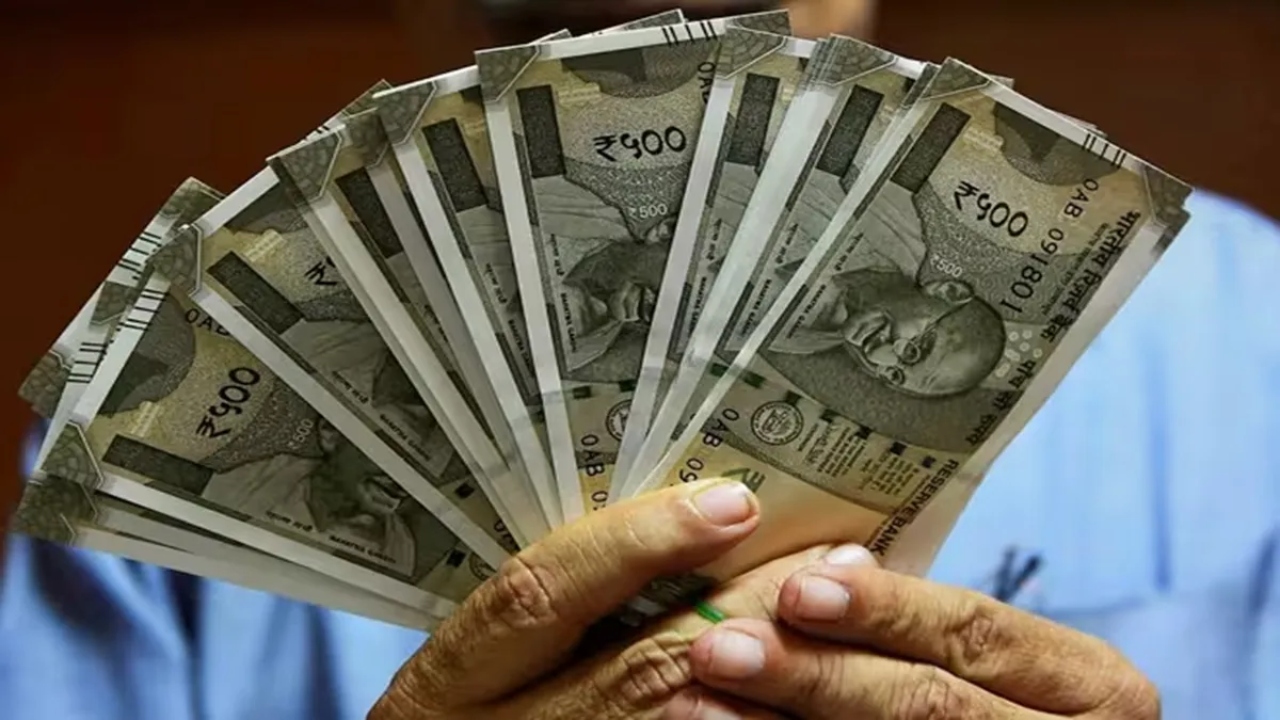
If you want to make a definitive identification, you can use a UV test.
The UV Test Method
If you don’t have a UV light, you can check by holding a blue or purple transparent piece of plastic to your phone’s flashlight. The threads and serial numbers on genuine notes glow in dim blue or green light. While this method isn’t 100% accurate, it’s useful for initial identification.
Paper Quality
The paper on genuine notes is strong and durable, while counterfeit notes are thin and of poor quality, and tend to bleed when folded or rubbed. Counterfeit notes can often feel smoother or rougher than genuine ones.